The Silent Scourge: “Lunch Shaming” and its Digital Fallout in Australian Schools
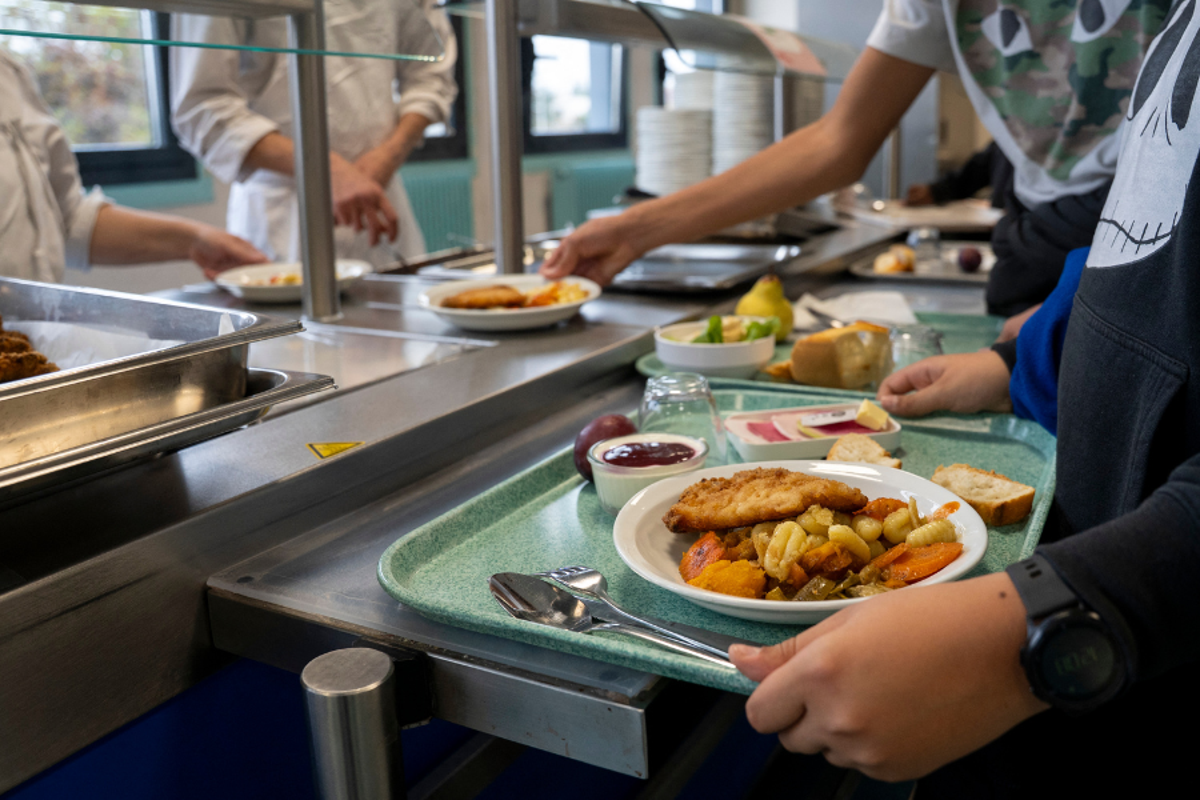
A disturbing trend is casting a shadow over school lunch breaks across Australia, with mental health experts warning of a new form of bullying known as “lunch shaming.” This insidious practice involves students secretly photographing their peers while they are eating and then sharing these images online, leading to significant emotional distress and damaging self-esteem.
The Wall Street Journal has reported on this growing issue, highlighting that the shaming often falls into two common categories: capturing an unflattering “mouthful” or depicting a student eating alone. These incidents can have a profound impact, exacerbating existing body image concerns and, in some cases, causing students to avoid school cafeterias altogether.
The Cafeteria: A Breeding Ground for Digital Bullying?
School cafeterias, often bustling with activity and with less direct adult supervision than classrooms, present a prime environment for such bullying to take root. Research conducted by Catherine Bradshaw, a University of Virginia expert in bullying and child mental health, sheds light on the prevalence of cafeteria-based bullying. Her study, involving approximately 25,000 students, revealed that a concerning 14 percent of primary school students and 18 percent of those in middle and high school reported experiencing bullying in the cafeteria within the preceding month.
Bradshaw and her colleagues point to the ubiquitous nature of smartphones as the catalyst that has transformed age-old cafeteria teasing into a more persistent and public form of harassment. “Catching people doing embarrassing things has been going on for some time, and this is the more recent iteration of that,” she explained, underscoring how digital technology amplifies the reach and impact of such behaviour.
Personal Accounts: The Lingering Scars of Lunch Shaming
The personal testimonies of students paint a stark picture of the emotional toll. Christian Okafor, a high school senior from San Diego, shared his distressing experience, estimating that he has been the target of lunch shaming dozens of times, with unflattering photos of him eating being taken and shared between 30 and 40 occasions. “It makes you feel self-conscious and like you have to hide while eating,” Okafor confessed.
The relentless nature of this bullying led Okafor to seek out isolated spots on his school’s grounds to eat his lunch, away from prying eyes. While he has developed coping mechanisms to disregard the behaviour, he sadly continues to witness other students falling victim. He has refrained from reporting these incidents to school administrators, harbouring doubts about their ability to effectively curb such digital harassment.
Similarly, Nihar Patel, a recent graduate from Fairfield, Ohio, recounted how a close friend’s experience with lunch shaming prompted him to abandon the cafeteria. A group of students photographed his friend eating and posted the image to a school Snapchat page, leading Patel and his friends to seek refuge in a teacher’s classroom during lunch breaks. “She stopped eating at school,” Patel said of his friend, adding, “I know she’s always had body issues.” This highlights how lunch shaming can intersect with and worsen pre-existing insecurities.
School Responses: A Digital Arms Race?
In response to this escalating problem, schools are implementing a range of measures, including stricter cellphone policies and broader anti-bullying initiatives. However, educators often find themselves in a constant battle, as digital harassment methods evolve at a pace that outstrips policy development. Some school districts have opted for outright bans on mobile phones for the entire school day, while others permit their use only outside of lesson times. Early indications suggest that these restrictions can contribute to a reduction in disciplinary issues and an improvement in academic performance.
In Aberdeen, Washington, the introduction of a full-day phone ban reportedly led to a noticeable uptick in students choosing to eat school lunches. The fear of being photographed while eating had previously deterred many students. “They were getting their lunch because they no longer feared having their photos taken,” Traci Sandstrom, a co-superintendent, informed the Wall Street Journal.
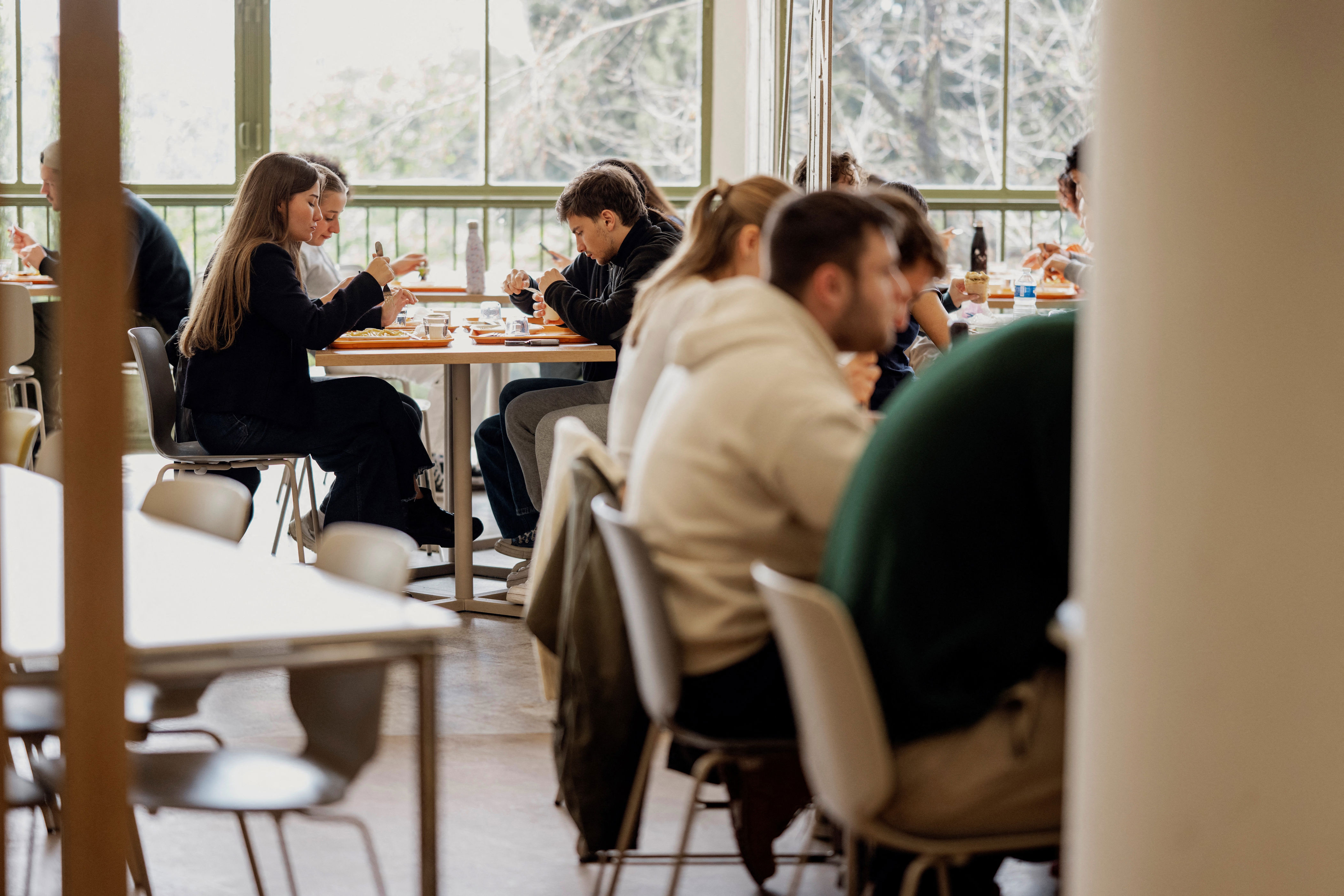
While phone bans have demonstrably reduced the incidence of lunch-shaming posts in some areas, the underlying behaviour has not been eradicated. Patel noted that while his school’s ban significantly curbed lunch shaming, some students simply redirected their efforts towards other forms of online ridicule, such as creating social media pages dedicated to mocking peers for their driving skills.
The persistent challenge lies in tackling the more subtle and covert forms of online bullying. As Kaplan Jørgensen, an associate professor of social psychology at University College Copenhagen, aptly put it, “It’s the subtle hidden bullying that’s the worst.” This underscores the complex and ongoing nature of addressing digital harassment in educational settings. The fight against lunch shaming and its digital counterparts requires a multi-faceted approach, encompassing not only policy and technology but also a strong emphasis on fostering empathy and digital citizenship among students.