Rare Blue Micromoon to Illuminate Australian Skies This Weekend
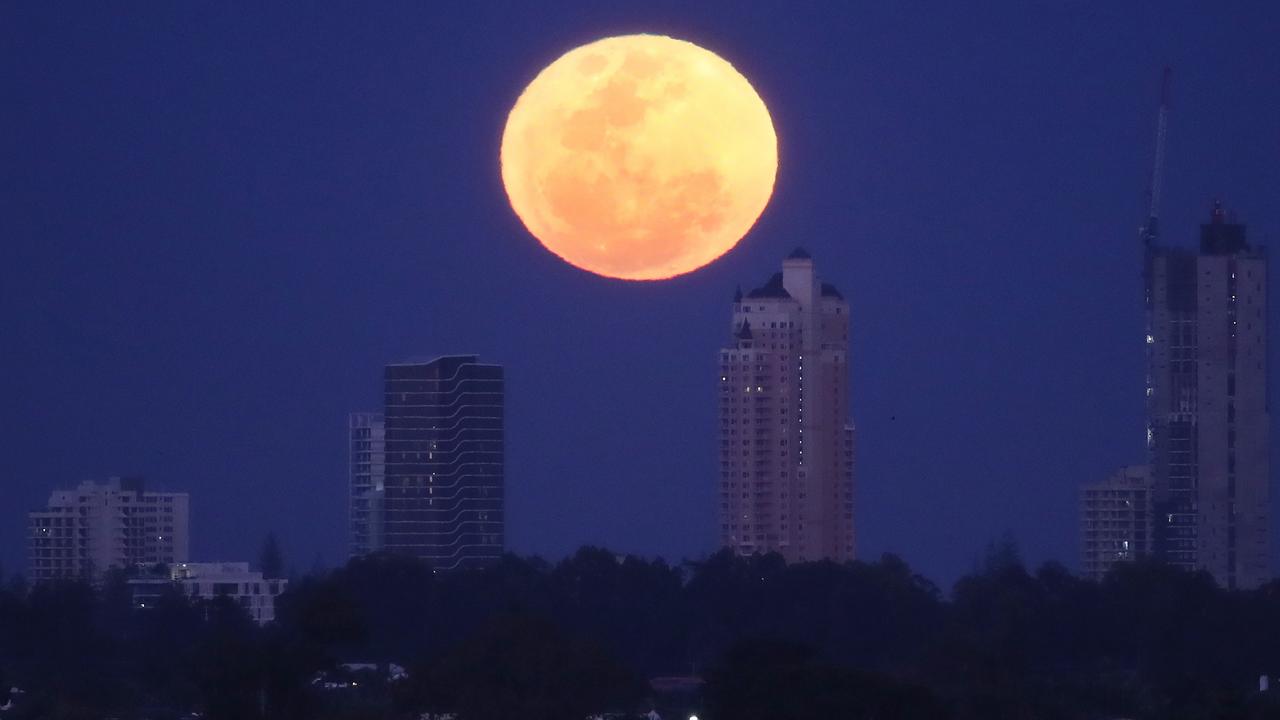
This coming Sunday night, stargazers across Australia will have the opportunity to witness a truly special celestial spectacle: a blue micromoon. This rare event, which combines two distinct astronomical phenomena, is not an everyday occurrence and promises a breathtaking display for anyone looking up at the heavens.
Laura Driessen, a postdoctoral researcher at the Sydney Institute for Astronomy, highlighted the sheer brilliance of this upcoming lunar event. She stated that the blue micromoon would be “incredibly bright” and easily visible from all corners of Australia. “It’s tens of thousands of times brighter than the brightest star in the night sky,” Driessen told SBS News, underscoring the significant visual impact it will have.
Understanding the Blue Moon
The term “blue moon” can be a little misleading, as it doesn’t refer to the moon’s colour. Instead, a blue moon signifies the second full moon to occur within a single calendar month. This phenomenon arises because the moon’s orbital cycle doesn’t perfectly align with the days in our Gregorian calendar. On average, a lunar cycle takes approximately 29.5 days, while most months have 30 or 31 days. This slight discrepancy means that every two to three years, we get to experience two full moons in one month. The second one is then designated as the blue moon.
What Exactly is a Micromoon?
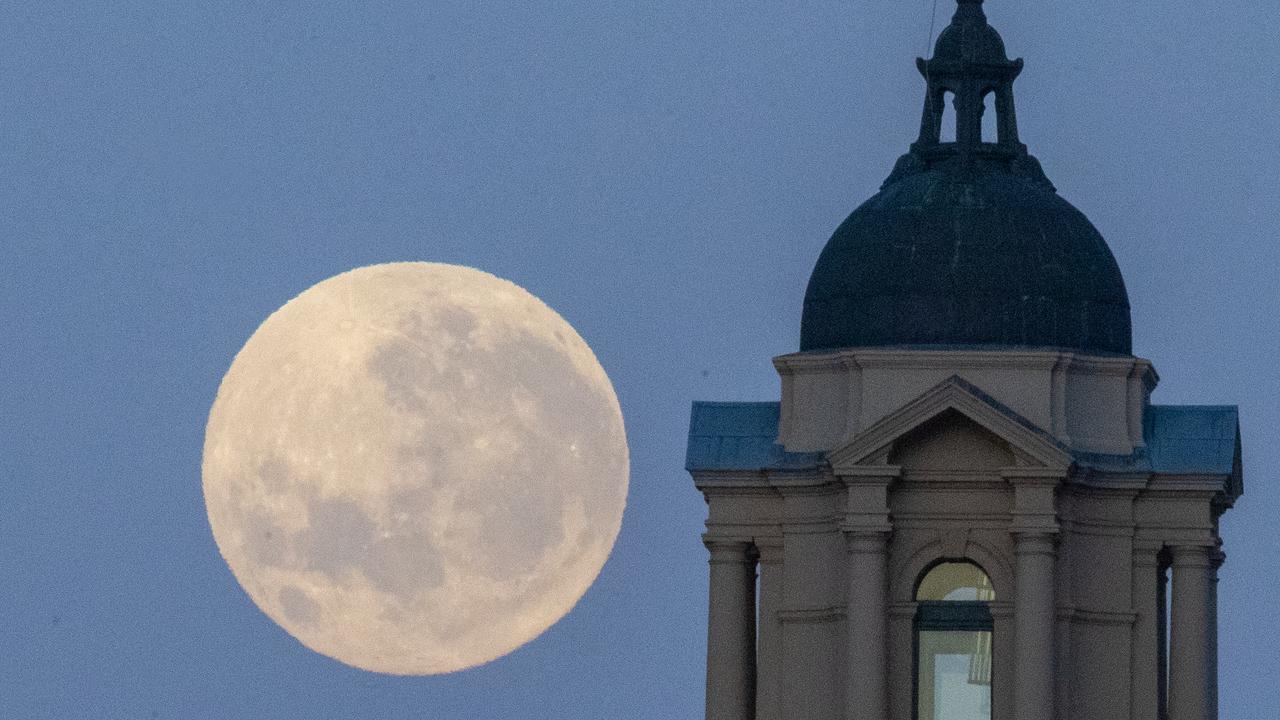
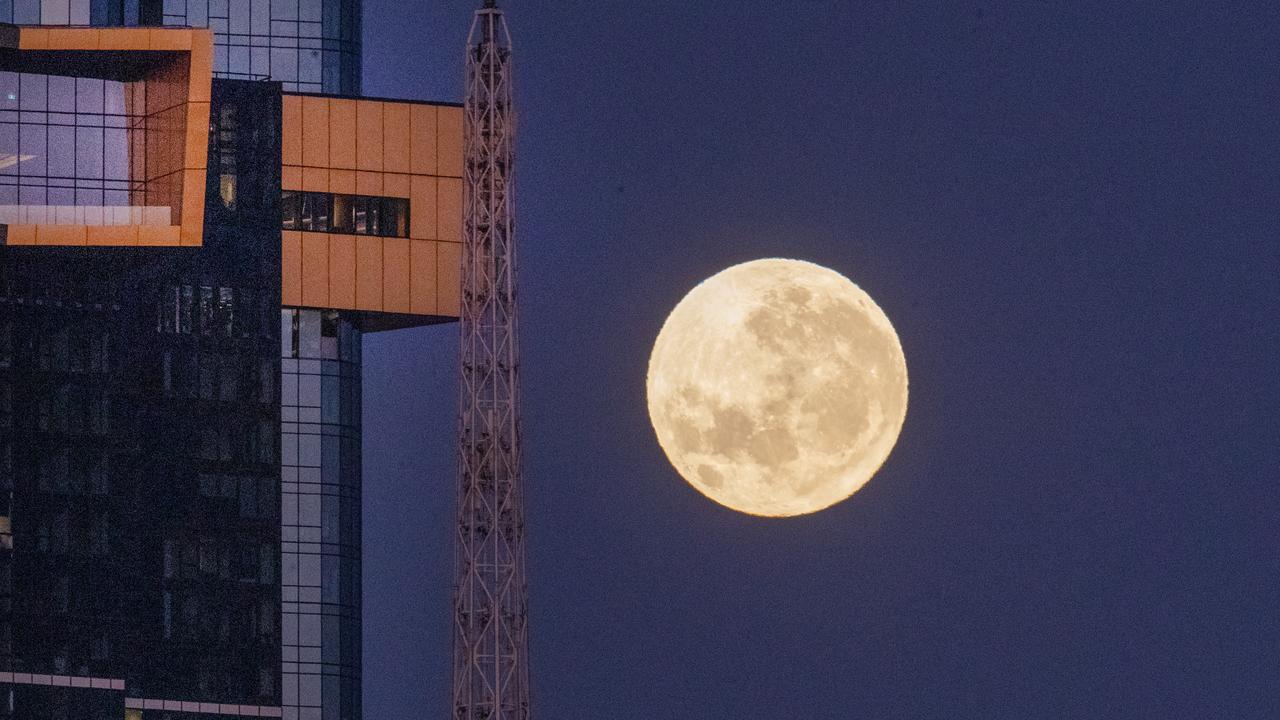
Adding another layer of astronomical interest, Sunday’s blue moon also happens to be a micromoon. A micromoon occurs when the full moon coincides with the moon’s apogee – the point in its orbit where it is farthest from Earth.
The difference in apparent size between a micromoon and a supermoon, the opposite of a micromoon (when the moon is closest to Earth), can be quite noticeable in astronomical terms. According to data from Time and Date, micromoons can appear approximately 6% smaller than an average full moon and over 12% smaller than a supermoon.
Ms. Driessen explained the mechanics behind this: “At one point in its orbit, the moon is closer to the Earth, and that closest point is called the perigee. And another point in its orbit, it’s a little bit further away from Earth, and that’s called the apogee,” she elaborated. “A micromoon is when the full moon happens close to that apogee point. So the moon is just a touch farther away than it is in other parts of its orbit, so it looks a little bit smaller.”
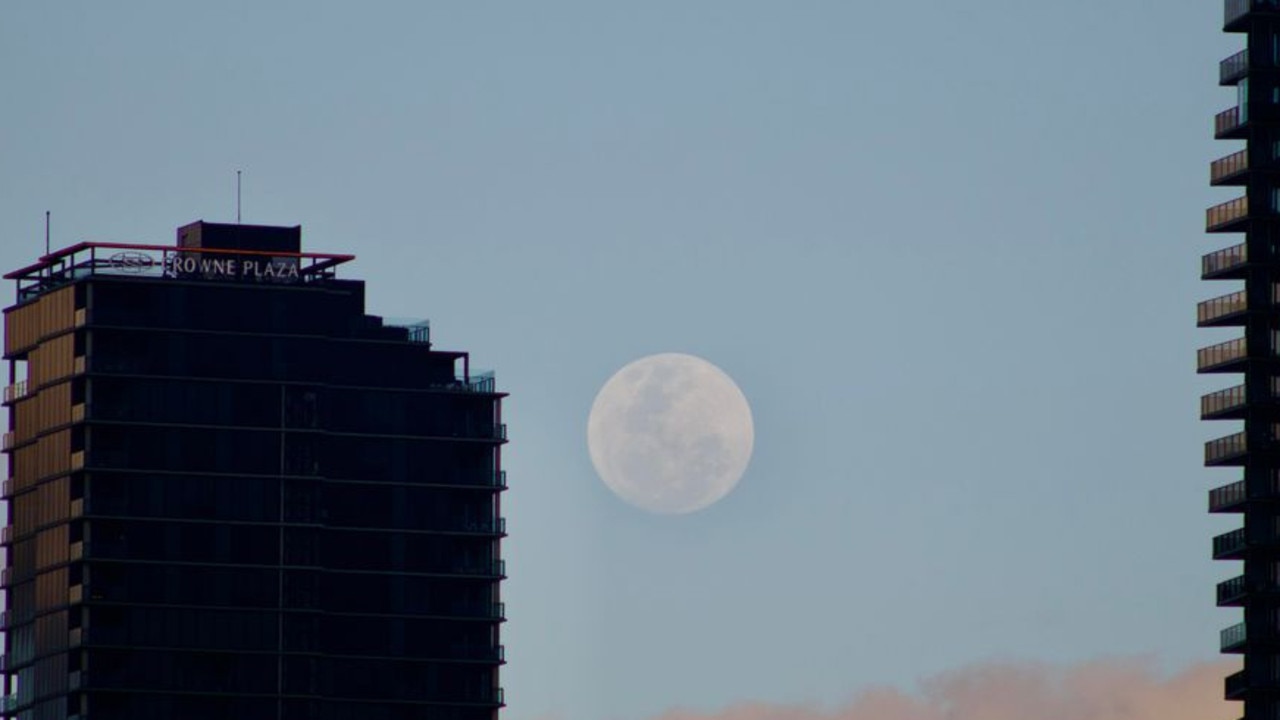
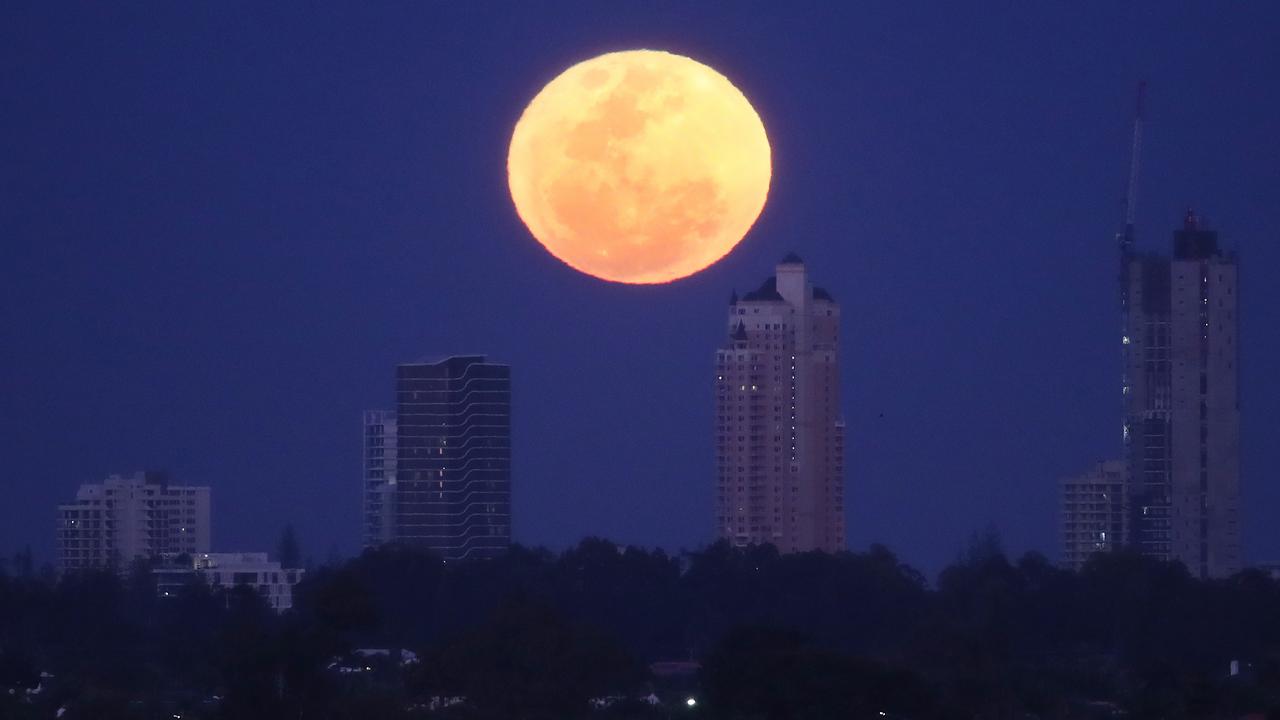
Timing Your Viewing Experience
For those eager to catch this rare sight, the optimal time to observe the blue micromoon will be anytime on Sunday, May 31st, provided the skies are clear and dark.
The exact moment of peak fullness will vary slightly across different Australian time zones:
- Australian Eastern Standard Time (AEST): In New South Wales, Queensland, Victoria, the Australian Capital Territory, and Tasmania, the moon will reach its peak fullness at 6:45 PM AEST.
- Australian Central Standard Time (ACST): Residents in South Australia and the Northern Territory can expect the micromoon to peak at 6:15 PM ACST.
- Australian Western Standard Time (AWST): In Western Australia, the peak viewing time will be at 4:45 PM AWST.
When the moon is low on the horizon, particularly near moonrise or just after sunset, keen observers might notice a beautiful golden-orange hue. This effect is caused by the Earth’s atmosphere scattering light.
What to Expect Visually
While the difference in size between a micromoon and a regular full moon is scientifically significant, it’s unlikely that the naked eye will perceive a dramatic reduction in the moon’s apparent diameter. Ms. Driessen noted that “human eyes can’t tell the difference in the size of the micromoon.” She further explained, “You can only tell the difference if you have a photo of an average moon next to a photo of a micromoon. It will look like a beautiful full moon to us.”
No specialised equipment is necessary to enjoy this lunar marvel. However, for those who wish to examine the moon’s surface in greater detail, binoculars can enhance the viewing experience, making the craters and maria appear sharper.
For those who miss this particular celestial event, the next blue moon won’t grace our skies until December 31, 2028, making this weekend’s blue micromoon a truly unmissable occasion.