Milestones in Modern History: From Cereal to Space-Age Soundtracks
The tapestry of human history is woven with threads of innovation, cultural shifts, and pivotal events. Looking back at the latter half of the 19th century through to the early 21st, we see a fascinating progression of developments that continue to shape our world. From the mundane yet revolutionary invention of breakfast cereal to the global impact of iconic entertainment, these moments offer a glimpse into the forces that have driven progress and defined generations.
The Dawn of Modern Inventions and Entertainment
The late 19th century, a period of rapid industrialisation, saw the patenting of everyday items we now take for granted. In 1884, Dr. John Harvey Kellogg, a name synonymous with breakfast, patented his “flaked cereal.” This seemingly simple invention would revolutionise morning meals for millions, ushering in an era of convenient and mass-produced breakfast options. Not long before, in 1870, E.J. DeSemdt patented asphalt, a material that would become fundamental to the construction of roads and infrastructure worldwide, paving the way for easier transportation and urban development.
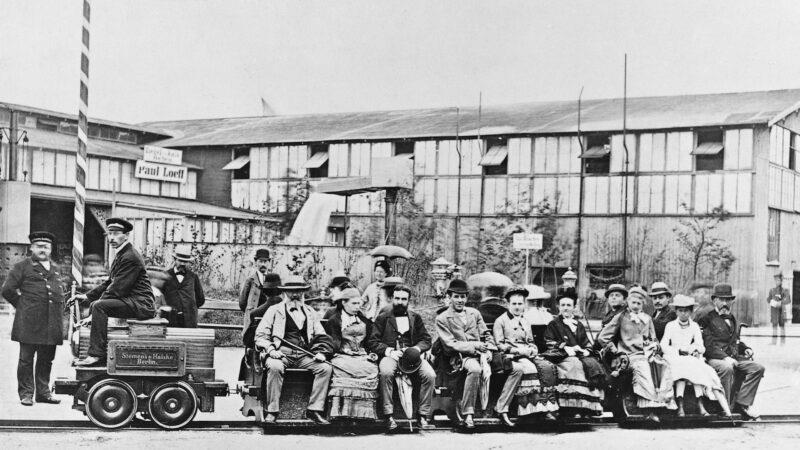
The burgeoning field of electricity also made significant strides. In 1879, a testament to this innovation, the first electric railway opened its doors at the Berlin Trades Exposition. This marked a crucial step in the development of public transportation, hinting at a future powered by electric currents. Meanwhile, London gained an iconic landmark in 1859 when the magnificent clock tower, now universally known as Big Ben, officially went into operation. Its chimes have since become a global symbol of time and tradition.

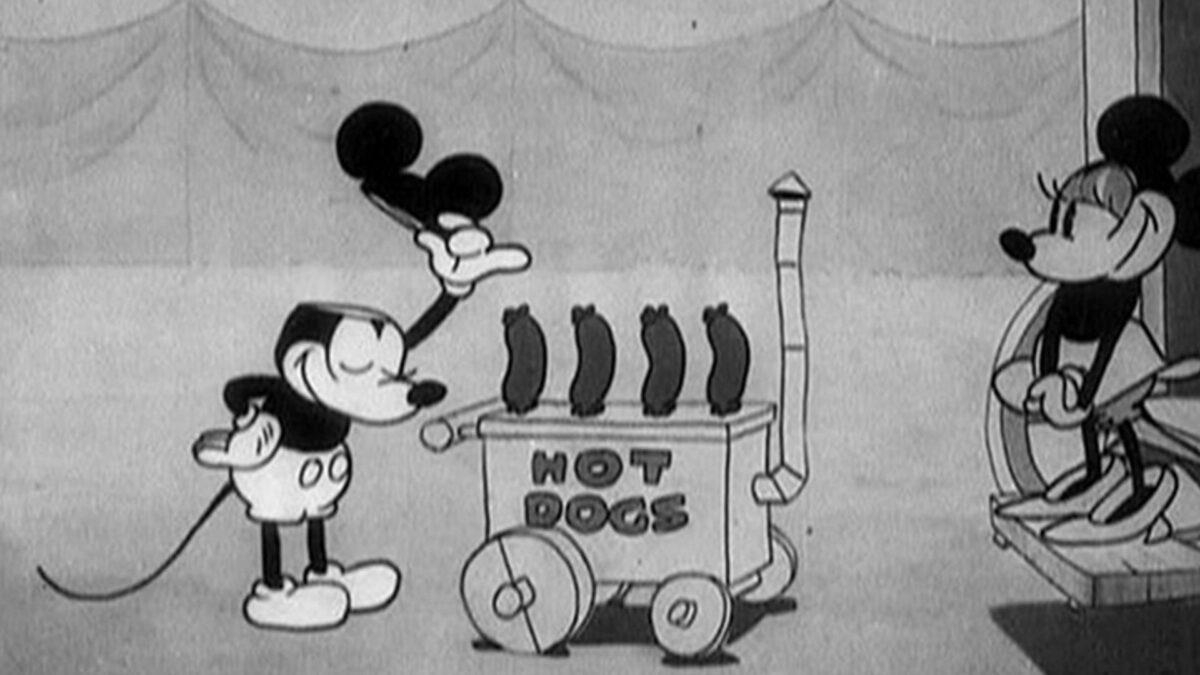
The early 20th century continued this trajectory of innovation, particularly in the realm of entertainment. The year 1929 witnessed the release of “The Karnival Kid,” a significant milestone as it was the first talking Mickey Mouse cartoon. This marked a new era for animated storytelling, allowing beloved characters to speak their minds and captivate audiences in an entirely new dimension.
Global Conflicts and Cultural Anthems
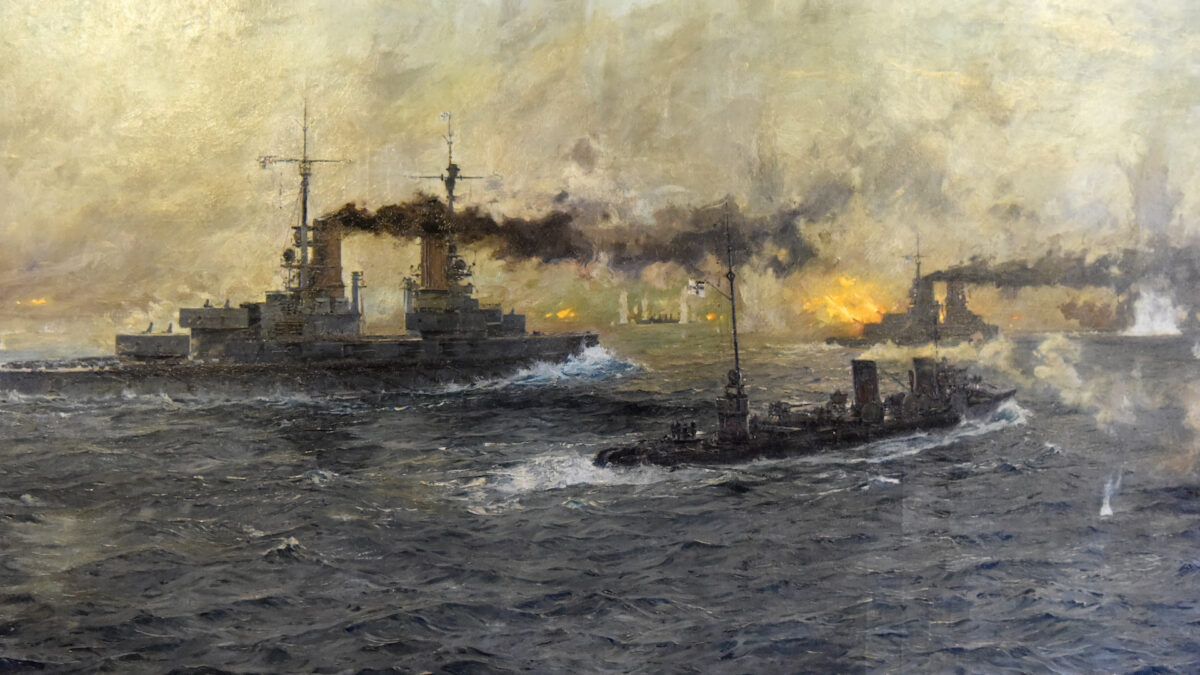
The early 20th century was also a period of immense global upheaval. The First World War, a conflict that reshaped the geopolitical landscape, saw its largest naval engagement in the Battle of Jutland in 1916. This colossal clash between the British Grand Fleet and the German High Seas Fleet resulted in tragic losses, with 8,645 lives lost.
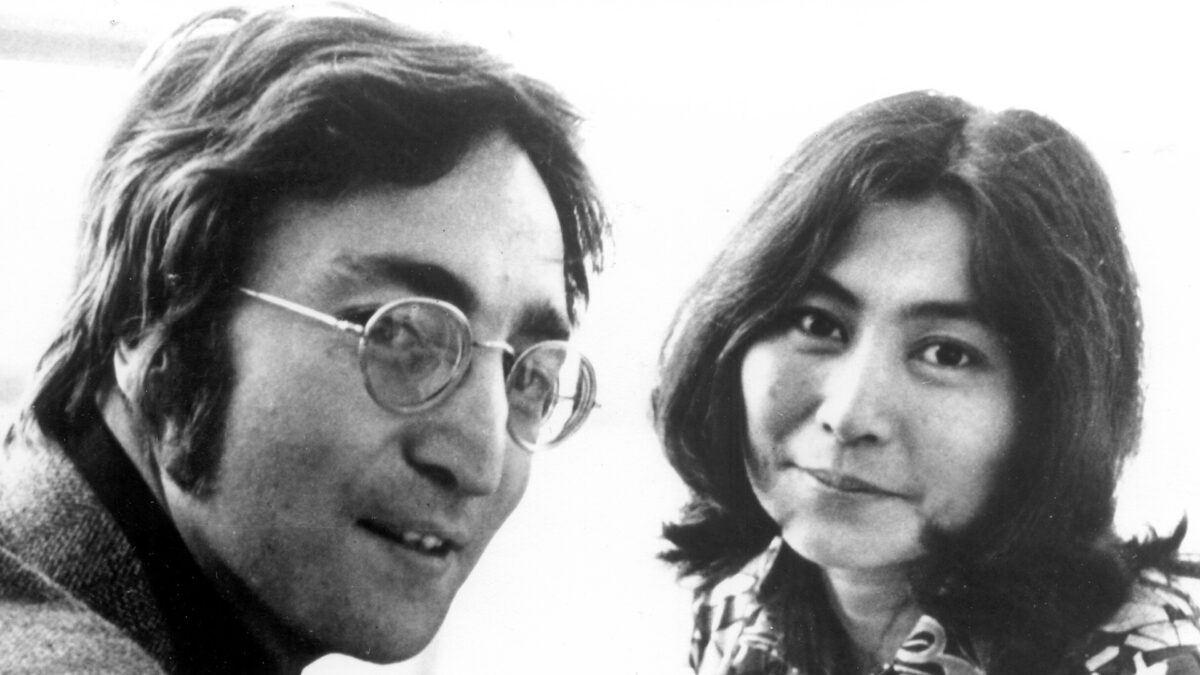
Fast forward several decades, and the world was captivated by music and film. The year 1969 became etched in cultural memory with the recording of John Lennon and Yoko Ono’s timeless anthem, “Give Peace a Chance.” This song transcended its musical origins to become a powerful statement of hope and a rallying cry for peace during a turbulent era.
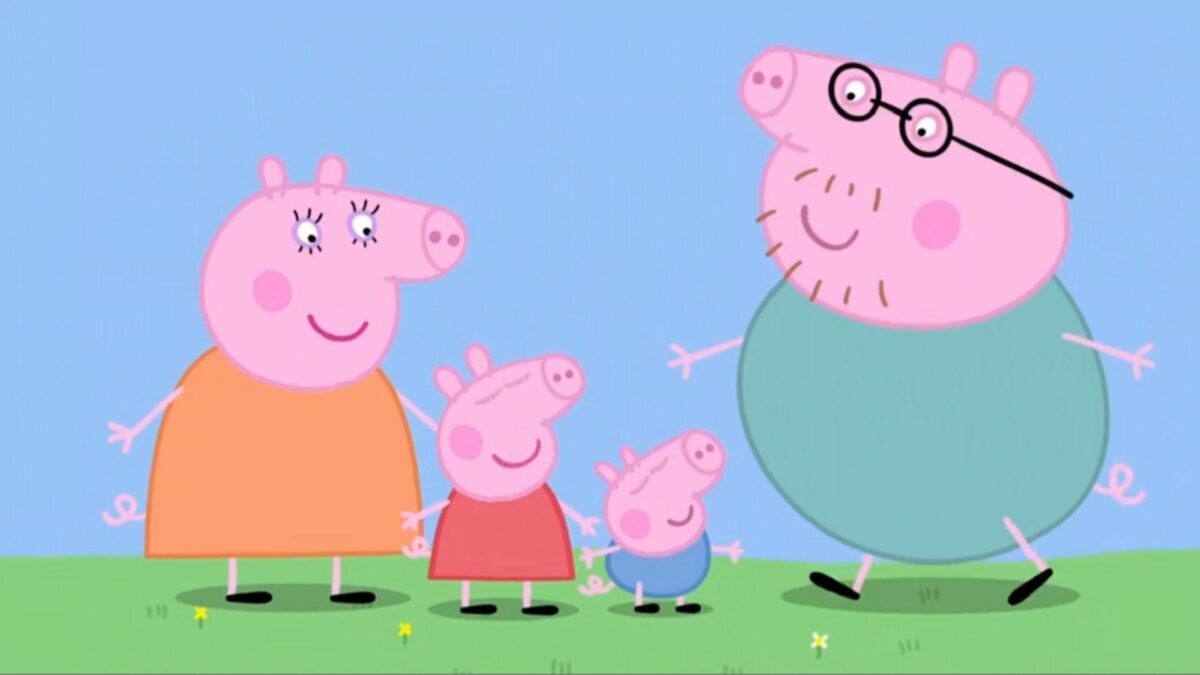
The late 20th and early 21st centuries saw the rise of globalised entertainment and significant demographic shifts. The year 2004 was a notable one for children’s programming, with the premiere of the British children’s cartoon “Peppa Pig,” created by Astley Baker Davies. This charming series would go on to achieve international acclaim.
Coinciding with this, the cinematic world was abuzz with the release of “Harry Potter and the Prisoner of Azkaban,” the third film in the immensely popular series based on J. K. Rowling’s beloved books.

The Digital Age and Shifting Societal Norms
The digital revolution brought about unprecedented changes in how we consume media. In 2014, the internet reached a new viewership milestone when Psy’s infectious hit “Gangnam Style” became the first video to rack up an astonishing 2 billion views on YouTube. This phenomenon underscored the growing power and reach of online platforms.

More recently, in 2021, China’s ruling Communist Party made a significant policy announcement, permitting married couples to have three children. This decision was a direct response to falling birthrates, highlighting the ongoing global challenge of demographic shifts and their impact on societies and economies.

These diverse events, spanning over a century, demonstrate the dynamic nature of human progress. From the practical innovations that underpin our daily lives to the cultural touchstones that define our collective experiences and the societal policies that attempt to navigate evolving demographics, each moment contributes to the rich and ongoing narrative of our world.