Understanding the Risks of Osteoporosis in Postmenopausal Women
Osteoporosis, a condition characterised by weakened and brittle bones, poses significant health risks for postmenopausal women. Recent research has revealed that women with osteoporosis are nearly 50 per cent more likely to die prematurely. While the condition is commonly associated with fractures, new findings indicate that it also increases the risk of other serious health issues, including heart disease and dementia.
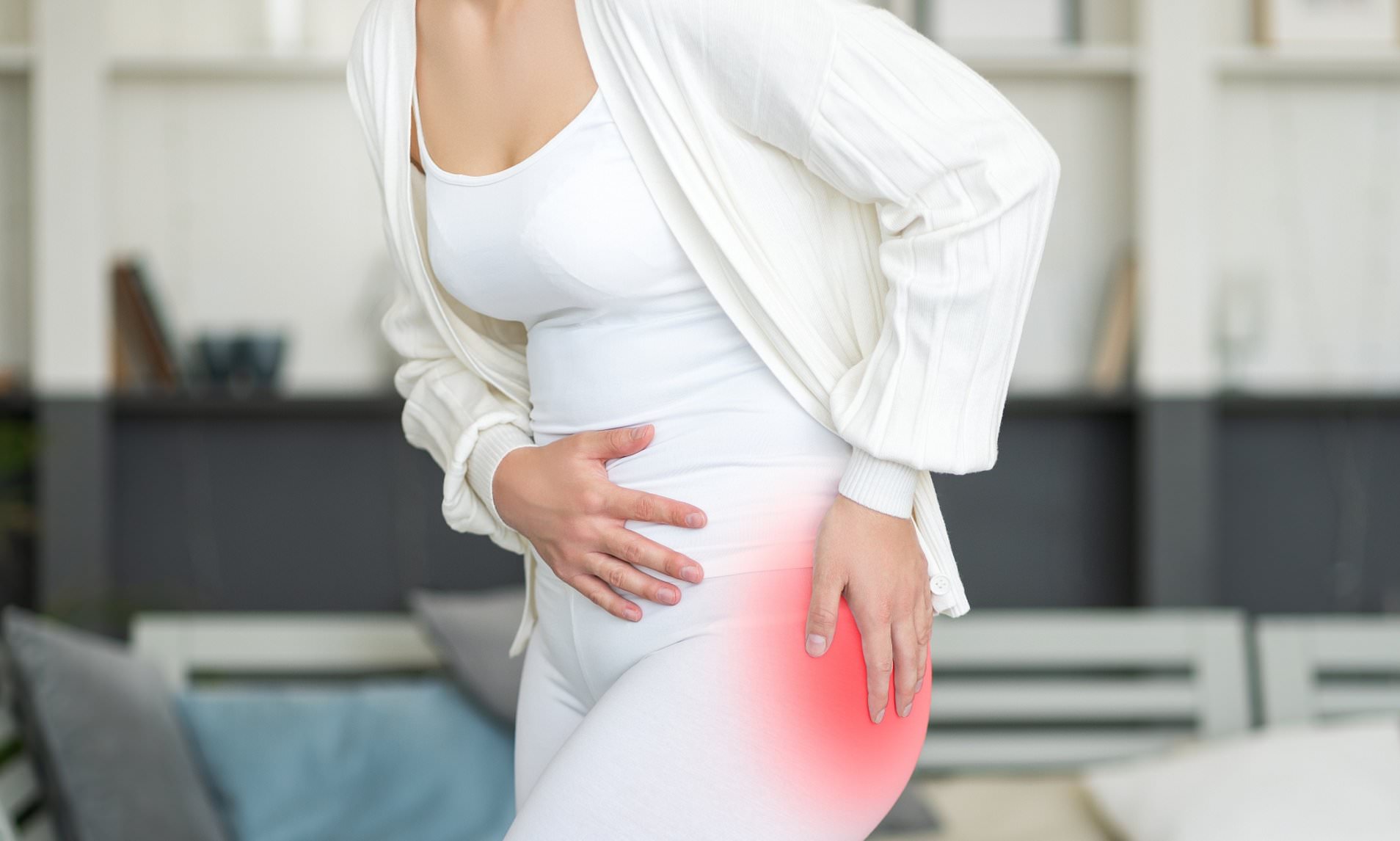
In the UK, approximately 3.5 million people live with osteoporosis, which predominantly affects postmenopausal women. As oestrogen levels decline, the rate at which bones break down increases, while the process of bone regeneration slows down. This imbalance leads to a decrease in bone density, particularly in the hip area, making fractures more likely.
The Latest Research on Bone Health
A recent study published in the medical journal Menopause examined the bone mineral density of nearly 3,000 postmenopausal women. The results showed that higher bone mineral density was linked to a longer lifespan and a reduced risk of serious health conditions. Based on these findings, the researchers concluded that bone mineral density should be considered an important marker of overall health.
Experts emphasize the importance of early screening for osteoporosis, as detecting the condition at an early stage can help prevent severe complications. Screening allows for timely intervention, which may include lifestyle changes or medical treatments to improve bone health.
The Role of Fracture Liaison Services
The Mail on Sunday, in collaboration with the Royal Osteoporosis Society, has been advocating for the full rollout of fracture liaison services (FLS). These screening clinics aim to identify osteoporosis before a debilitating fracture occurs. FLS programs are designed to provide comprehensive care, including diagnosis, treatment, and follow-up support for patients at risk of fractures.
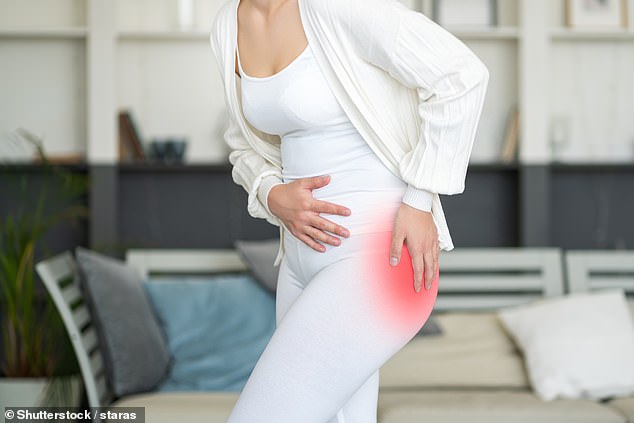
According to the Royal Osteoporosis Society, around 2,500 people die each year from the effects of preventable hip fractures. Despite the government’s commitment to achieving full coverage of FLS by 2030, some critics argue that this target may not be met without immediate action. An analysis by the charity suggests that the lack of widespread FLS implementation has already led to 17,000 preventable fractures.
Preventive Measures and Lifestyle Changes
Dr Monica Christmas, associate medical director at The Menopause Society, highlights the importance of early screening and preventive measures. She recommends a calcium-rich diet, preferably from food sources, regular weight-bearing exercise, and hormone therapy when appropriate. These steps can significantly improve bone health and reduce the risk of fractures, as well as other conditions such as cardiovascular disease, certain cancers, and dementia.
She adds, “It’s time we bring this conversation to the forefront.” By raising awareness and promoting proactive healthcare strategies, the goal is to improve outcomes for those affected by osteoporosis.
Conclusion
Osteoporosis is a critical health issue that extends beyond the risk of fractures. It impacts overall health and longevity, especially for postmenopausal women. With the right interventions, including early screening and lifestyle modifications, the risks associated with osteoporosis can be mitigated. Continued efforts to expand access to fracture liaison services and public education will play a vital role in reducing the burden of this condition.