Bulgaria Claims Eurovision Glory Amid UK’s Disappointing Performance
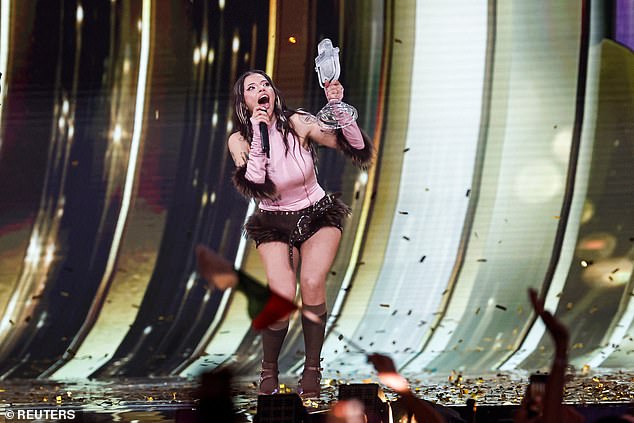
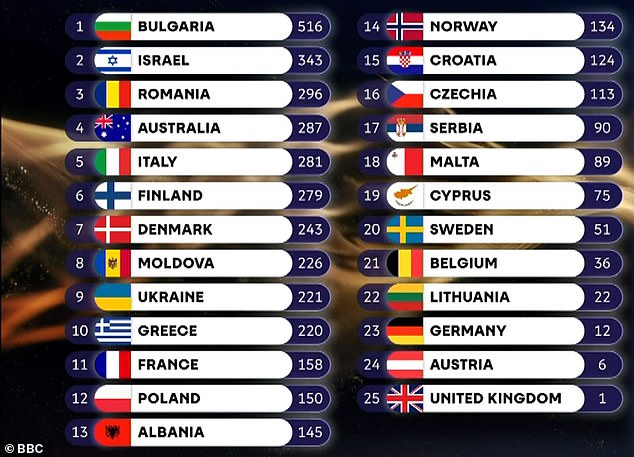
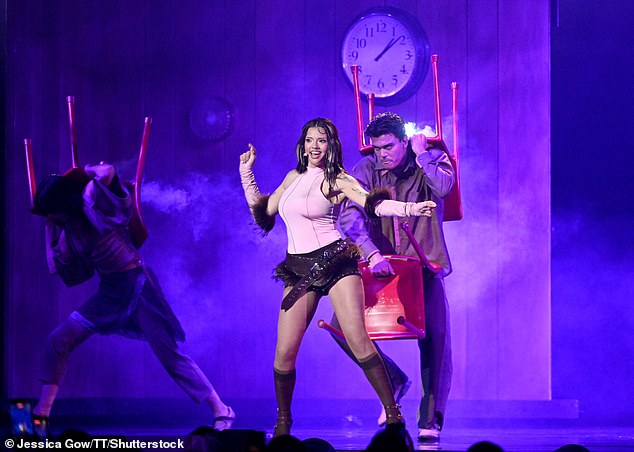
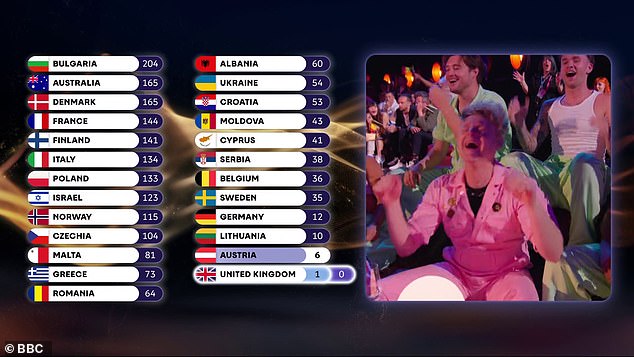
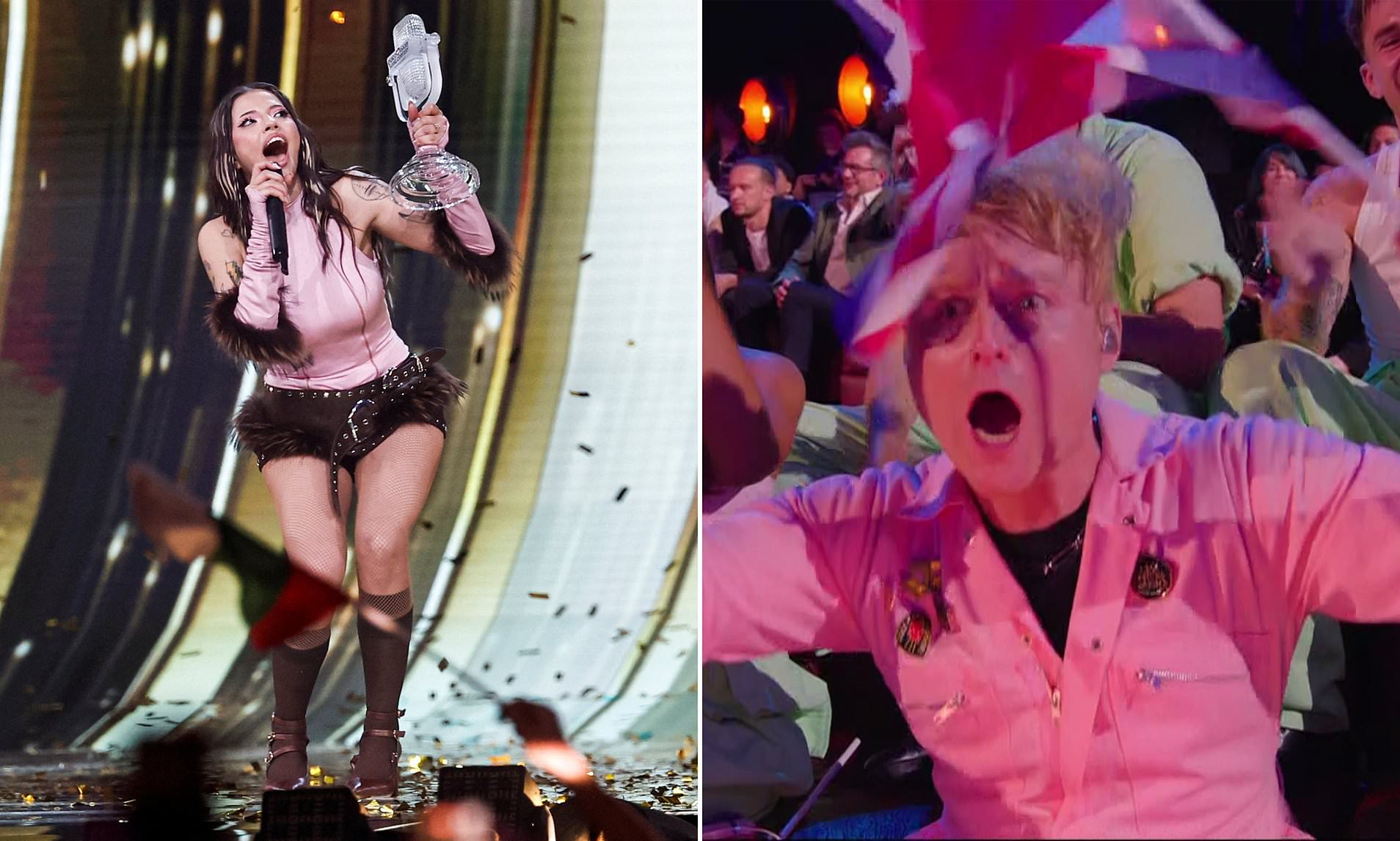
Bulgaria has made history by winning the 70th edition of the Eurovision Song Contest, marking its first-ever victory in the competition. The country’s win came as a surprise to many, with Dana and her hit song “Bangaranga” securing the top spot with an impressive 516 points. This victory was particularly significant given the tight race between Bulgaria and Israel, which finished second with 343 points.
The UK’s entry, Look Mum No Computer with his track “Eins, Zwei, Drei,” once again faced a disastrous outcome, finishing at the bottom of the rankings. The performance received just one point from the jury vote and zero points from the public televote, making it the third consecutive year that the UK has not earned a single point from the audience. This has sparked criticism from fans and viewers alike, who have taken to social media to express their frustration.
Fans took to X (formerly Twitter) to voice their opinions, with many joking about the UK’s continued struggles. One user wrote: “UK ranking last (AGAIN) with 1 point now instead of their usual 0 is even funnier to me.” Others suggested that the UK should reconsider its approach to the contest, with one comment stating: “Uk bottom again. It’s time to stop the gimmicks and return to ‘proper’ songs.”
This result marks the sixth time Britain has finished last in the competition, with previous instances including James Newman in 2021 and Years and Years frontman Olly Alexander in 2024. The trend has led to calls for a more serious approach to selecting the UK’s entry for future contests.
Political Tensions Surround Eurovision
The contest was not only a musical event but also a platform for political expression, particularly regarding Israel’s participation. Five countries—Spain, Ireland, the Netherlands, Slovenia, and Iceland—chose to boycott the event due to concerns over Israel’s inclusion. These decisions were influenced by ongoing tensions related to the conflict in Gaza.
During the first semi-final, Israel’s performer, Noam Bettan, faced boos and jeers from the audience, with some chanting “Free Palestine” and “Stop the genocide.” Security officials removed several audience members from the venue, highlighting the contentious nature of the event.
Despite these challenges, Israel was more warmly received during the final, with host Graham Norton noting the positive reaction to the country’s performance. However, the controversy surrounding the contest continues to dominate discussions, with critics arguing that the event should remain focused on music rather than politics.
Protests and Calls for Justice
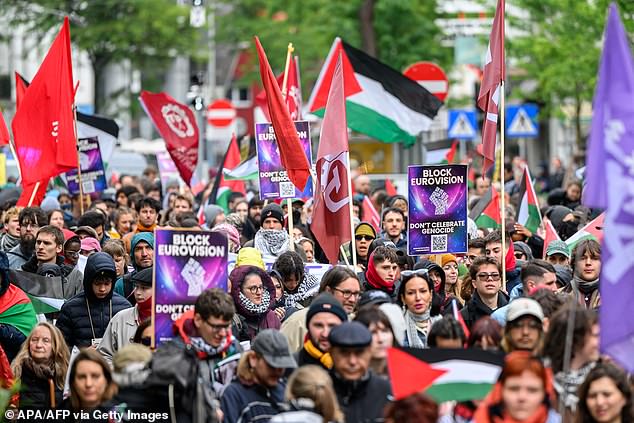
Outside the Wiener Stadthalle arena, where the contest was held, pro-Palestine protesters gathered to express their discontent. Demonstrators waved Palestinian flags and held signs calling for an end to the conflict. One protester, Viktoria Eibensteiner, stated: “We want to take a stance against genocide, against war crimes, and that’s why we’re here today.”
Jamil Sawalmeh, Country Director for ActionAid Palestine, emphasized the need for justice, stating: “Justice cannot be a song Europe sings for some and silences for others.” He highlighted the ongoing humanitarian crisis in Gaza, where Palestinians continue to face bombardment and displacement.
Australia’s Strong Showing
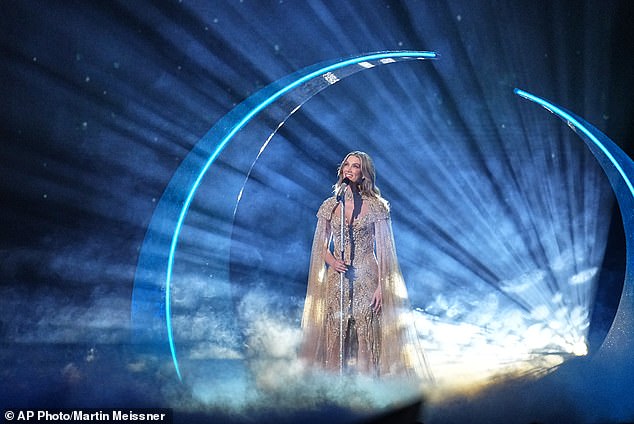
Australia’s entry, Delta Goodrem, made a strong impression during the semi-finals with her ballad “Eclipse.” Her performance helped propel Australia into the grand final for the first time in three years. The Australian singer, 41, was praised for her powerful vocals and emotional delivery.
Controversy and Commentary
The contest was marked by significant controversy, with several countries withdrawing over concerns about Israel’s participation. TV presenter Rylan Clark addressed the issue directly during the semi-finals, acknowledging the five nations that had chosen not to participate. His comments were widely praised by viewers, who appreciated the honesty and transparency.
The European Broadcasting Union (EBU), which oversees the contest, has introduced new voting rules to prevent vote-rigging and ensure fair results. These changes include reducing the number of votes per person to 10 and implementing stricter safeguards against suspicious activity.
Cultural Impact and Future Challenges
Eurovision has long been a celebration of music and cultural exchange, but recent years have seen increasing tensions between the event’s entertainment focus and the political issues it often highlights. Countries such as Spain, Ireland, and Slovenia have taken a stand by boycotting the contest, reflecting broader concerns about the role of international events in addressing global conflicts.
As the contest moves forward, organizers will need to navigate the complex relationship between music and politics while maintaining the spirit of unity that the event was founded on.