Escalating Conflicts in the Gulf: A New Era of Uncertainty
The ongoing conflict in the Gulf has led to a series of drone and missile attacks, disrupting daily life and causing significant anxiety among residents. This crisis has particularly affected Moroccans living in the region, many of whom are now grappling with both security concerns and economic instability.
The Impact on Moroccan Nationals
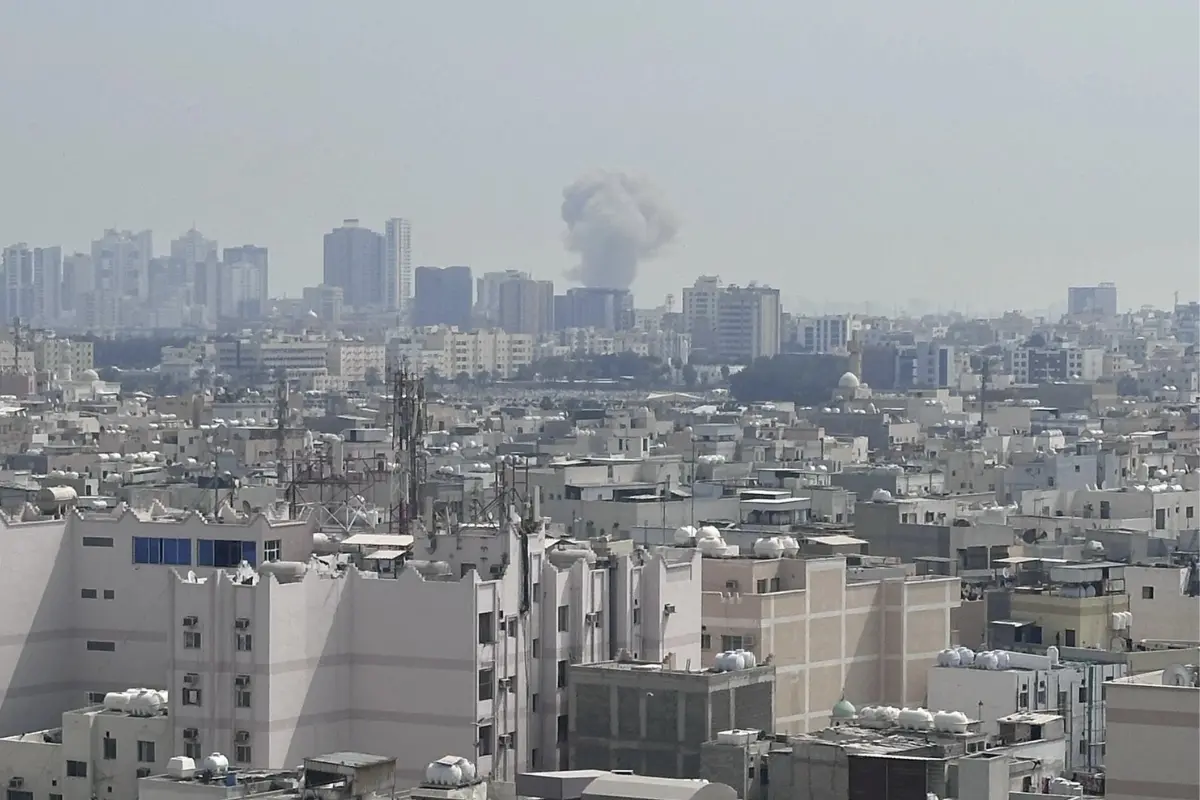
Since the war began, Gulf countries have been targeted by repeated drone and missile strikes, which have caused widespread disruption. These attacks have not only posed a direct threat to safety but have also led to flight disruptions, affecting travel and mobility across the region.
Moroccan nationals residing in the Gulf have experienced these challenges firsthand. Some have opted to return to Morocco, while others have chosen to stay despite the risks involved.
A Journey Marked by Fear and Financial Strain
Khadija, a Moroccan woman based in Dubai, found herself in a precarious situation during Ramadan when the first strikes hit American bases in the Middle East. She recalled waking up to terrifying sounds of the strikes, prompting her to leave the building she was staying in.
She sought refuge in a resort far from potential targets, where strict security measures were enforced. However, feeling unsafe, she moved again to Al Hamla, a quieter area, where she began planning her return to Morocco.
Khadija’s journey home was fraught with challenges. She faced rising costs and bureaucratic hurdles, including an expensive Saudi visa. Despite these obstacles, she eventually secured her visa and made the long journey from Bahrain to Saudi Arabia before flying to Morocco.
Now in Agadir, Khadija continues to suffer from the psychological impact of her ordeal. Even minor noises can trigger fear, and she remains financially strained due to the high costs involved.
From Security Fears to Economic Uncertainty
Mohamed, a Moroccan resident of Riyadh, decided to return home early in the conflict. He recalled being advised not to go to the office, leading him to make the decision to come to Morocco. His return, however, was not without its challenges, as flight disruptions forced changes in his travel plans.
Now in Morocco, Mohamed notes that the impact of the war extends beyond security concerns. He explains that work is being affected by slowing activity and increasing delays, raising fears of job loss. The shift from a security risk to an economic one has created new uncertainties for many residents.
Despite plans to return to his office in Saudi Arabia, Mohamed remains cautious. He is preparing for all scenarios, including the possibility of relocating to Morocco permanently, given the risk of being laid off.
Staying in Qatar: A Different Perspective
Unlike Khadija and Mohamed, Ahmed, a Moroccan student in Qatar, chose to stay. He described the situation in Qatar as tense but generally stable, noting that most attacks were intercepted by air defenses. While the situation has recently calmed, he remains vigilant.
Ahmed reported hearing sirens and seeing missile interceptions, but he feels relatively safe. However, the psychological stress of uncertainty and fear of escalation persists. Daily life has been affected, with schools and universities temporarily shifting to online learning. However, things have since returned to normal.
Conclusion
The escalating conflicts in the Gulf have created a complex web of challenges for Moroccan nationals living in the region. From security fears to economic instability, the impact is far-reaching. As the situation continues to evolve, many are left in a state of uncertainty, navigating the delicate balance between safety and stability.