The Extraordinary Rescue Mission of a Wounded US Airman in Iran
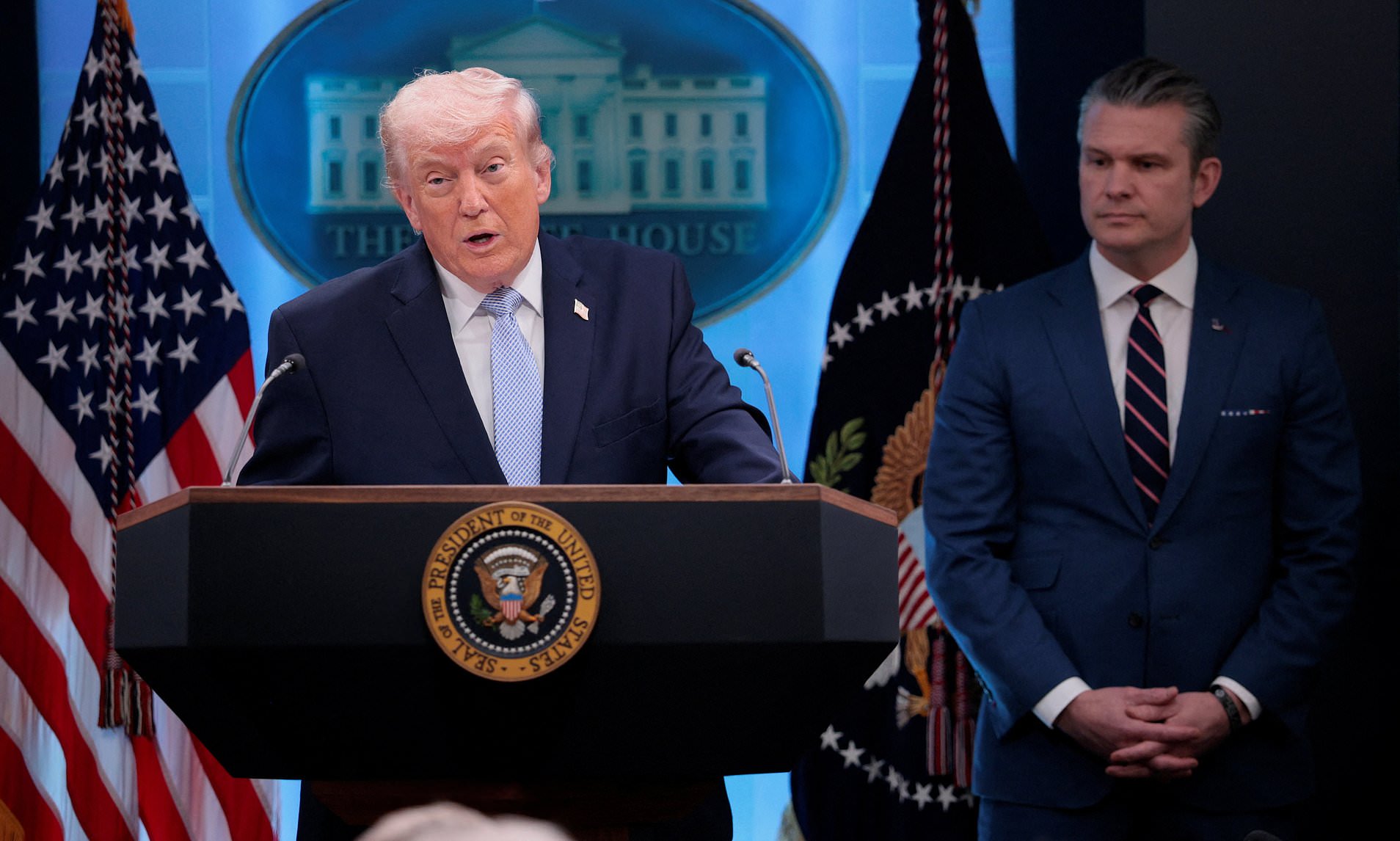
President Donald Trump recently shared detailed insights into the daring and complex operation that led to the rescue of a wounded U.S. airman who had been stranded in Iran for nearly 48 hours. The mission, which involved an impressive array of military assets, showcased the precision and coordination of U.S. forces in one of the most challenging environments.
A Massive Military Operation
The operation was described by the President as an “all-hands-on-deck” effort, involving a total of 155 aircraft. This included 64 fighter jets, 48 refueling tankers, 13 rescue aircraft, and three helicopters. Trump praised the mission as a “breathtaking show of skill and precision, lethality and force,” highlighting the bravery and expertise of the U.S. military personnel involved.
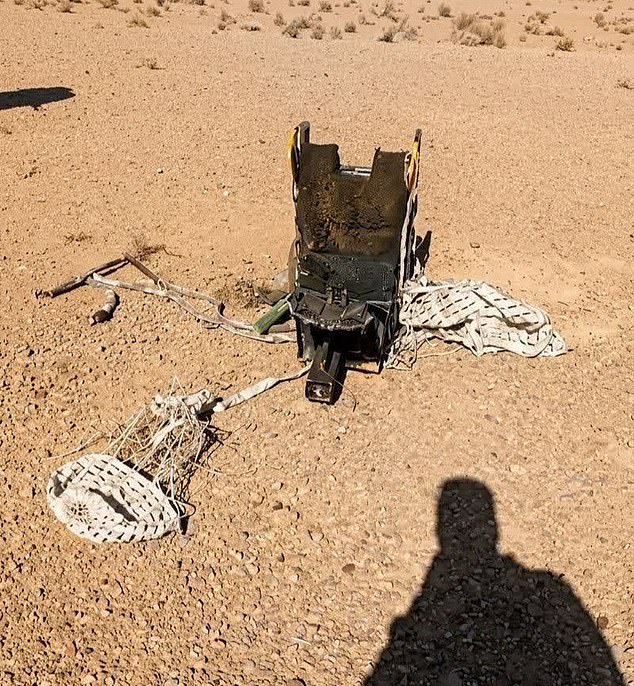
The rescue took place in the mountainous terrain of southern Iran, where a weapons systems officer (WSO) from an F-15E fighter jet was stranded after the plane was shot down on Good Friday. Despite being severely injured, the WSO managed to scale cliff faces, treat his own wounds, and contact American forces. He was eventually rescued on Easter Sunday.
Challenges and Controversies
Trump admitted that there were military officers who were initially opposed to the operation, citing the risks it posed to hundreds of lives. However, he credited divine intervention, stating, “God was watching us.” The pilot was rescued the day of the crash, but the WSO remained missing for some time. It was only after the WSO activated a “beeper” that U.S. forces were able to locate him, leading to his successful rescue.
The President also criticized the media for reporting that the second airman was still missing, accusing outlets of potentially alerting the Iranians to a target. He warned that those who refused to reveal their sources could face legal consequences.
Destruction of U.S. Aircraft
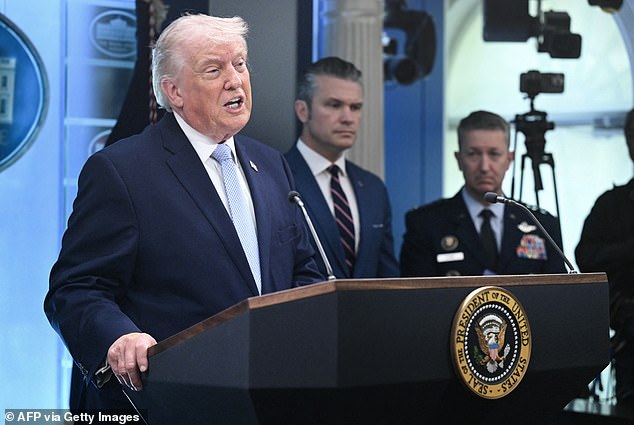
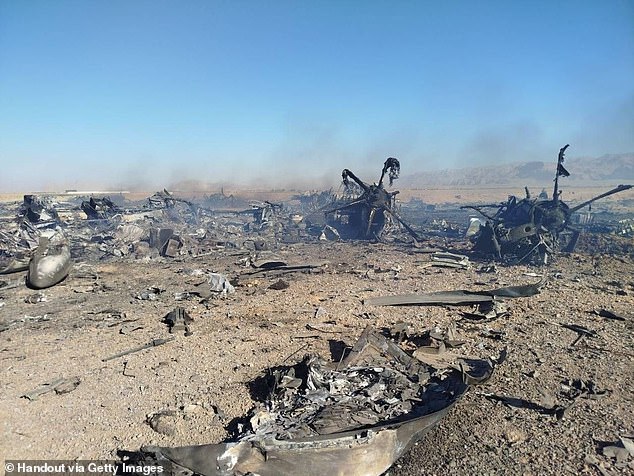
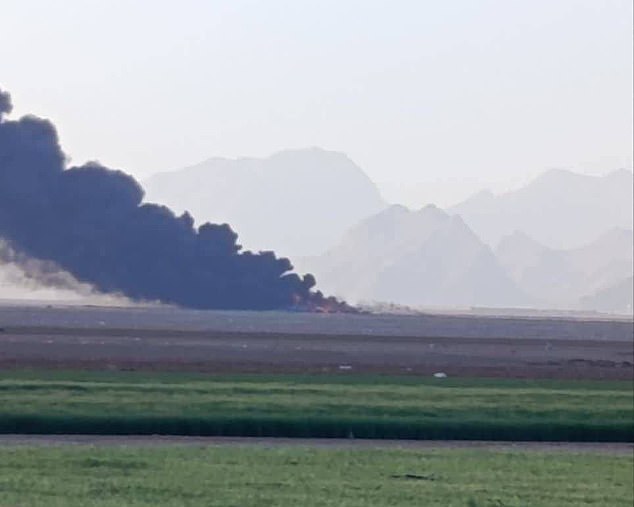
During the operation, U.S. forces reportedly destroyed their own planes to prevent them from falling into enemy hands. Trump claimed that two C-130 military transport planes and two Black Hawk helicopters were blown up. He explained that the planes became bogged down in a makeshift runway at the extraction point, which was described as “sandy, wet sand.”
“We blew them up to smithereens,” Trump said, adding that the planes were old and had equipment they didn’t want in enemy hands. The President emphasized that the decision to destroy the planes was made to protect sensitive technology.
The Role of Special Forces
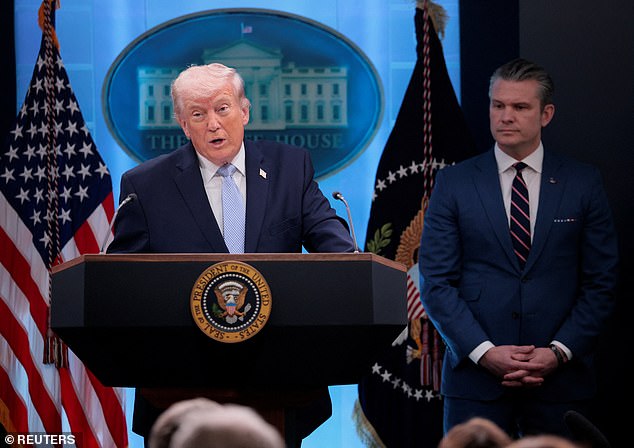
The rescue mission involved a coordinated effort between various military units. According to Secretary of Defense Pete Hegseth, the downed airman first contacted U.S. forces by radioing, “God is good.” Chairman of the Joint Chiefs General Dan Caine highlighted the swift recovery of the pilot and the planning involved in rescuing the WSO.
Caine praised the special operations force that fought their way into the area to extract the WSO in the early hours of Sunday. He noted that the military used a “contingency plan” that involved lighter, faster aircraft to retrieve the crew. The operation was described as a demonstration of overwhelming skill and firepower.
When asked about the number of servicemembers involved, Caine initially wanted to keep it a secret, but Trump revealed that it involved “hundreds and hundreds of these people.”
Escalating Tensions with Iran
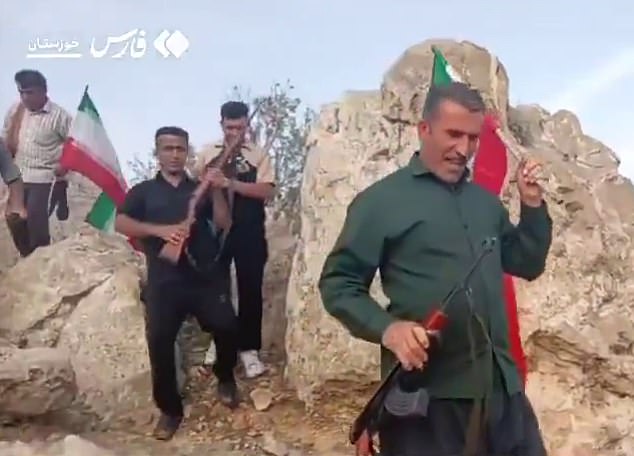
Trump also warned of potential further action against Iran if a deal was not reached. He stated, “The entire country can be taken out in one night, and that night might be tomorrow night.” This threat came amid ongoing tensions over Iran’s actions in the region, particularly regarding the Strait of Hormuz.
When asked whether the conflict was escalating or wrapping up, Trump responded, “I don’t know. I can’t tell. It depends what they do.” He also emphasized that any deal must meet his conditions, including ensuring free oil traffic through the Strait of Hormuz.
How the Daring Extraction Unfolded
The operation began on April 3 near Talkhuncheh, Isfahan Province, when an F-15E Strike Eagle was hit by Iranian fire. Both the pilot and the WSO ejected, but the WSO became separated from the pilot. U.S. special forces attempted to rescue the pilot, but the WSO was left behind.
Over the next 24 hours, the WSO evaded detection while using his survival training to stay hidden. He activated an emergency beacon, which ultimately led to his rescue. The CIA launched a deception operation to mislead Iranian forces, while MQ-9 Reaper drones monitored the area and engaged any threats.
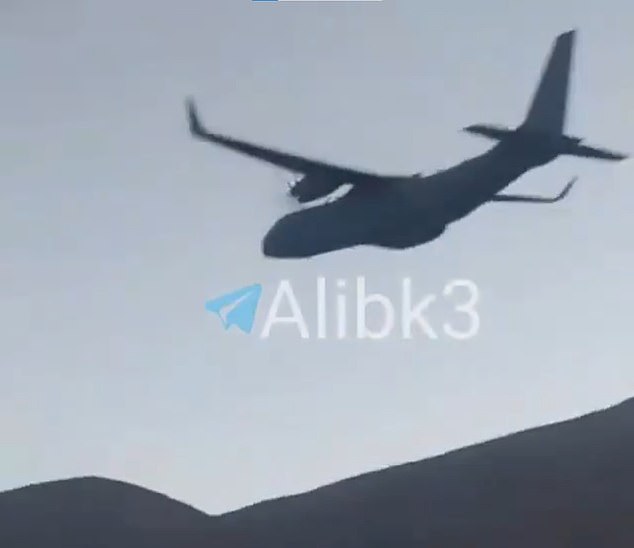
On Saturday, U.S. special forces, including members of SEAL Team 6, launched a second rescue mission and successfully extracted the WSO from a mountain top. However, the C-130 aircraft became stuck in the desert, forcing the use of additional rescue aircraft. The commandos then destroyed the stuck planes to prevent them from falling into enemy hands before making their escape.