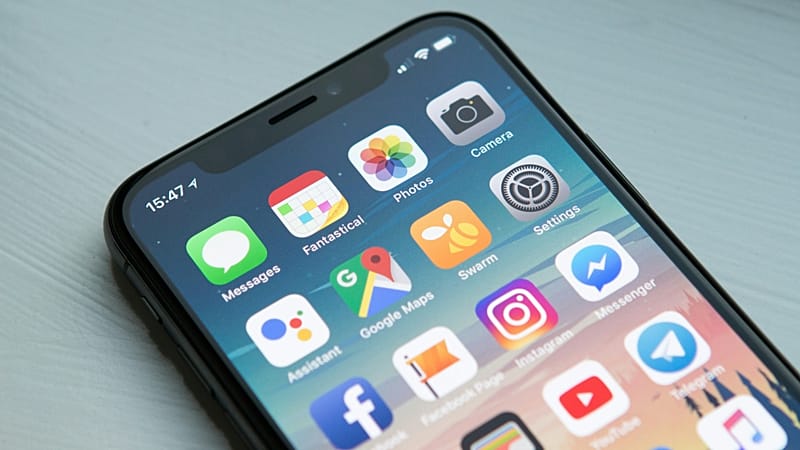
Border Entry and Travel Formalities
Traveling to Europe involves navigating new systems and procedures, especially with the introduction of the EU’s Entry/Exit System (EES). This system requires travelers to complete part of the process before arrival, including passport scanning, face capture, and pre-trip details. While no app can make immigration enjoyable, the official EU Travel app is designed to streamline this process and make it more efficient.
It is important to distinguish this app from ETIAS, the European Travel Information and Authorisation System, which is scheduled to launch in late 2026. The EU Travel app is the correct one to download and use for your trip.
For those heading to the UK, the UK ETA app is essential. It helps travelers complete the required identity and passport checks in one place, making the process much easier than scrambling through websites or trying to sort it out at the last minute. Completing the ETA well before your flight is a top tip to avoid unnecessary stress.

Planning and Itinerary Building
Wanderlog is an excellent choice for travelers who want to see their entire trip laid out clearly. It allows you to map out each day, move stops around, and keep bookings, notes, and routes together in one place. This is especially useful for multi-city trips or group travel, where structure can save a lot of back-and-forth later.
A top tip is to screenshot or export your daily plan before traveling so that poor signal does not disrupt your trip.
TripIt is ideal for travelers whose inbox becomes a mess when booking a trip. By forwarding confirmations, it turns them into a tidy itinerary with flights, hotels, train tickets, and reservations all stored together. It is simple, practical, and very useful when you need details fast while on the move.
Creating a travel folder in your email and forwarding confirmations there as soon as they arrive is a top tip for using TripIt effectively.
PackPoint helps with packing for Europe by building a list based on your destination, trip length, and activities. It takes some of the guesswork out of packing and helps stop you from bringing half your wardrobe just in case.
If you are traveling with only cabin baggage, turning on the laundry option is a top tip to ensure you pack appropriately.

Flights and Accommodation
Skyscanner remains one of the most useful apps for finding flights around Europe, especially if your dates are flexible and your budget is not limitless. It makes comparing routes quick and easy, and it also lets you browse hotels and car hire. It is the kind of app that can save you money before the trip has even begun.
Searching one-way flights separately is a top tip because mixed low-cost combinations can sometimes beat a standard return fare.
Flightly is a polished iPhone app built for tracking flights rather than booking them. Its design is simple with fast alerts, live tracking, and early warning when your incoming aircraft is already running late. The app can track inbound aircraft up to 25 hours before departure, while its newer Airport Intelligence tools add live airport boards and explain likely causes of delays.
Flighty works best as a flight-monitoring companion, but it is recommended to keep your airline’s own app as well just to be sure.
Booking.com is still one of the most dependable apps for finding somewhere to stay, whether that is a city hotel, apartment, or guesthouse. Travellers keep coming back to it because the filters are strong, confirmations are clear, and messaging with properties is built in, making the overall process seamless and easy.
Sorting by review score and reading the newest bad reviews before booking is a top tip for using Booking.com effectively.
Expedia is useful for travelers who like keeping the moving parts of a trip in one place. Flights, hotels, car hire, activities, and packages all sit inside the same app, which makes it especially useful for bigger trips. It is also worth checking if you want to compare bundled deals before booking everything separately.
Comparing package prices here even if you do not book through Expedia is a top tip because bundles can sometimes be cheaper.

Hostelworld
For backpackers, solo travelers, and anyone traveling on a tighter budget, Hostelworld still earns its spot. It has a huge range of hostels and millions of reviews, which makes it especially useful for checking the vibe before you commit. Some places look charming in photos, but the review section usually reveals what the stay is really like.
Using it to judge whether a hostel actually suits you, even if you book elsewhere, is a top tip.
Intercity and International Travel
Omio is especially handy when trying to get from one European city to another without opening far too many tabs. It compares trains, buses, flights, and ferries in one search, which makes cross-border planning much easier. If you are still deciding whether to take the train, coach, or fly, this is a very good place to start.
Comparing on Omio first, then double-checking the operator’s own site for expensive train routes is a top tip.
Rail Europe is a strong option for travelers planning train journeys across several countries. Instead of booking through each national rail company, you can search and book in one place, which makes it especially useful for international trips. Rail passes, mobile tickets, and wide route coverage all help make complicated journeys feel more manageable.
Using Rail Europe for multi-country journeys, but checking local rail apps for some domestic trips is a top tip.

Rome2Rio
Rome2Rio is less about booking and more about making sense of the journey. Type in your starting point and destination, and it gives you a broad view of possible routes, from trains and buses to ferries, flights, taxis, and driving. It is ideal for the early planning stage, when you are still figuring out how to get somewhere at all.
Using it early in the planning process rather than at the final booking stage is a top tip.
FlixBus is the app for simple and cheap alternatives to travel intercity and country. It may not be the most glamorous option, but it is often practical, affordable, and available when train fares feel wildly optimistic. Digital tickets and a straightforward booking process make it easy to use, especially for travelers who would rather save money than travel in style.
If rail prices suddenly spike, checking FlixBus straight away is a top tip. Other alternatives include BlaBlaCar and Alsa Bus.
City Navigation and Public Transport
Google Maps is still the quiet workhorse of most trips. It handles directions, saved places, public transport, walking routes, and nearby recommendations, which is why so many travelers default to it. It may not feel exciting, but when you are standing in a new city trying to find your hotel, tram stop, or dinner spot, it rarely disappoints.
Downloading offline city maps before traveling to save data and reduce stress is a top tip.
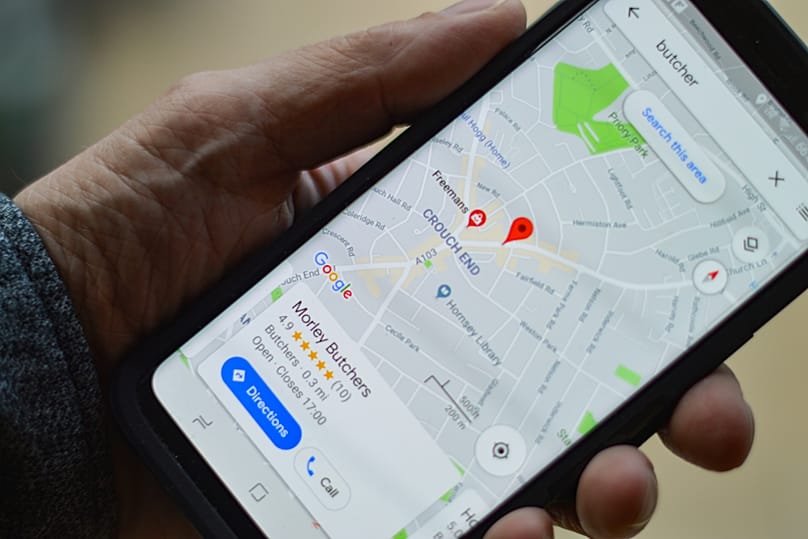
Citymapper
In bigger European cities, Citymapper can feel like a lifesaver. It is especially strong in places where public transport is the main way around, and it breaks routes down into steps that are genuinely easy to follow. When metro lines, buses, and trams all start blending together, this app makes the journey feel far more manageable.
Using it in big cities, then switching back to Google Maps outside the urban core is a top tip.
Language and Communication
Google Translate is one of those apps that proves useful again and again on a trip. It helps with menus, signs, train notices, short chats, and all the small language moments that come with traveling. Camera translation and offline packs are especially handy, and Google has now also brought its Gemini-powered live translation with headphones to iPhones, making real-time speech translation more useful for travelers on the move.
Downloading the language packs before leaving home, and if you use an iPhone, trying the live-translate headphones feature for announcements or quick conversations is a top tip.
DeepL is a smart choice if you want translations that sound a little more natural. It is especially useful for messages, slightly more complex text, or anything where tone matters. Google Translate is often faster at the moment, but DeepL is the one many travelers trust when they want wording that feels smoother and less robotic.
Using Google Translate for quick camera jobs and DeepL when the text is more complex is a top tip.
Money and Exchange Rates
Wise is a very useful app for travelers moving between currencies, especially on longer Europe trips. It keeps balances, exchange rates, and spending relatively easy to follow, which takes some of the stress out of travel money. Multi-currency accounts and digital cards make it particularly handy when one trip involves several countries and payment systems.
Setting a rate alert if you know you will need to move money soon is a top tip.
Revolut is another option for European travel, particularly for people who already use it at home. It keeps spending tools, exchanges, cards, and budgeting features together in one clean app, which makes day-to-day travel spending easier to manage. It is especially useful for travelers who like keeping a close eye on where their money is going.
Carrying a backup card as well, in case of checks or temporary freezes, is a top tip.
Splitwise is useful for splitting the bills at the end of the trip. When one person pays for lunch, someone else books the apartment, and another gets museum tickets, very quickly nobody remembers who owes what. But this app keeps track of all of it for you, which can save both time and a surprising amount of mild group-trip tension.
Starting the group before the trip begins so you are not rebuilding expenses later is a top tip.

Tours, Culture and Local Discovery
GetYourGuide is especially useful once you are already on the ground and want to book something quickly, whether that is a museum slot, guided tour, or last-minute activity. The app is easy to browse, mobile tickets are simple to use, and it is a handy fallback when your original plans sell out or fall apart.
Using it to find quick alternatives if your original plan falls apart is a top tip.
Tripadvisor may be regarded as a veteran in the digital travel age, but it still has real value for those day-to-day decisions: where to eat, what to visit, and whether a place is actually worth the time. Its biggest advantage is familiarity. Most travelers already know how it works, and when you are standing in a new neighborhood looking for a quick answer, that ease matters.
Reading the newest reviews, not just the overall score, is a top tip.
GuruWalk is a useful extra for travelers interested in free walking tours, especially as a low-pressure way to settle into a new city. You can browse by destination, compare tours, and reserve a place without paying upfront. It is an easy way to get your bearings, learn the basics, and start exploring with a little more confidence.
Booking one for your first morning in a new city to get your bearings is a top tip.