Rising Tensions in the Semiconductor Talent War
China’s pursuit of semiconductor and artificial intelligence (AI) talent has intensified as it seeks to achieve technological breakthroughs amid growing competition with the United States. However, this ambition has led to increased scrutiny from Taiwanese authorities, who are investigating mainland Chinese firms for alleged talent poaching. This issue has sparked what analysts describe as a “quiet tech war” over human capital.
According to the Ministry of Justice Investigation Bureau (MJIB), 11 new mainland Chinese firms have been placed under investigation for allegedly recruiting Taiwanese professionals in the semiconductor and other high-tech sectors. These firms are accused of hiding their mainland Chinese origins, setting up shell companies, and operating in Taiwan without proper government approval. The MJIB statement highlights that these actions are part of an ongoing effort by Taiwan to combat the illegal recruitment of its skilled workforce.
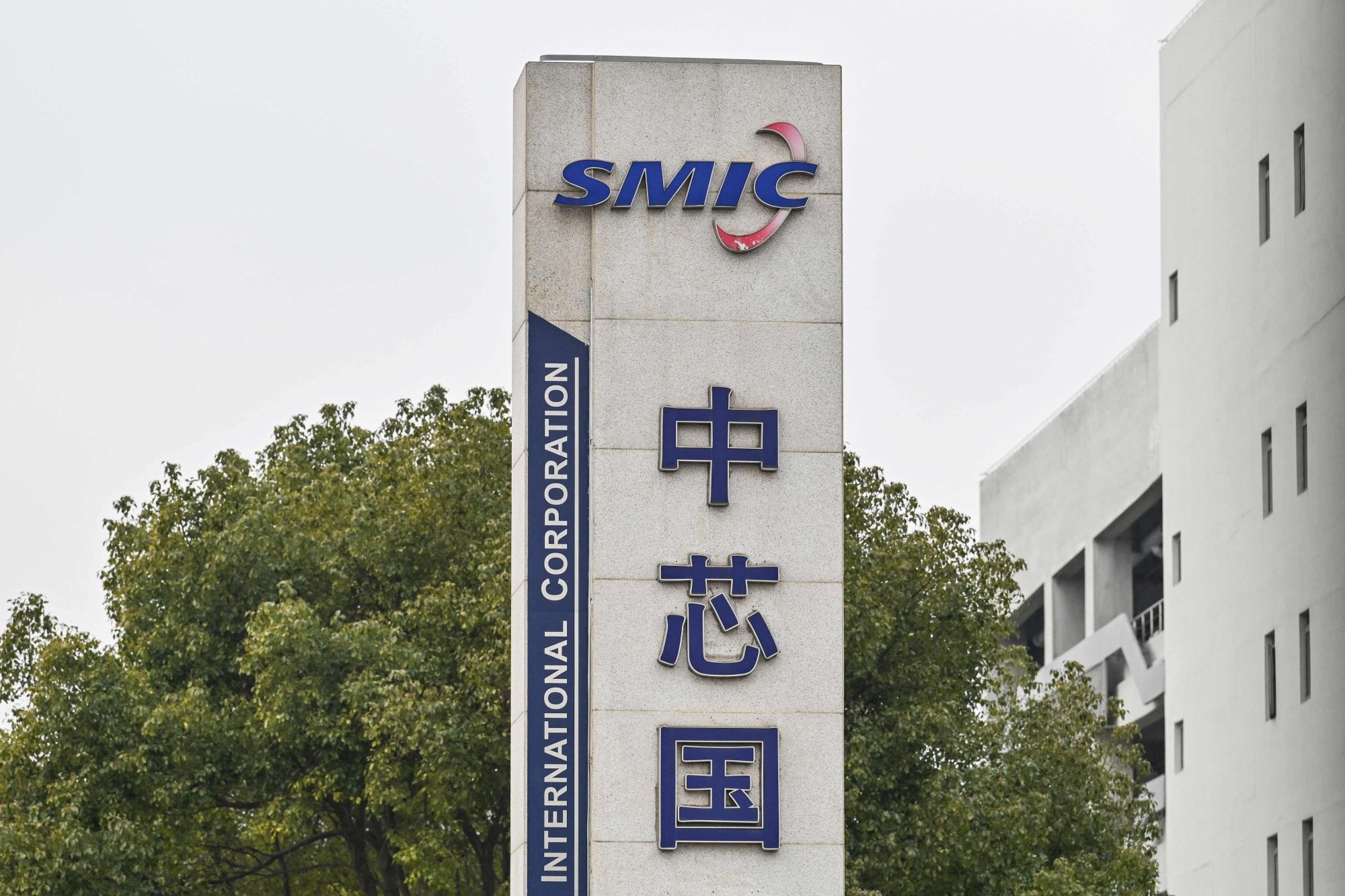
Since 2020, the MJIB has handled 100 cases related to mainland Chinese talent poaching. Last year, the agency also investigated Semiconductor Manufacturing International Corp (SMIC), China’s leading chipmaker, for suspected staff recruitment from Taiwan.
A Global Tech Race Over Human Capital
The competition for top talent is not limited to China and Taiwan. Analysts emphasize that talent is one of the most critical elements in the broader tech race. While the U.S. focuses on export controls and foreign investment, China is targeting key resources like human capital to drive future AI innovations.
Abishur Prakash, a geopolitical strategist at The Geopolitical Business, noted that this “quiet” tech war contrasts with the more visible conflict between the U.S. and China. “Taiwan is acutely aware of this,” he said, highlighting the island’s strategic position in the global semiconductor industry.
Taiwan’s semiconductor sector remains a crucial hub for expertise, with many industry veterans having contributed to China’s own chipmaking champions. For instance, SMIC’s co-chief executive Liang Mong Song and former vice-chairman Chiang Shang-yi both previously worked at Taiwan Semiconductor Manufacturing Company (TSMC), the world’s largest and most advanced chipmaker.
However, talent poaching has been a long-standing issue, driven by wage disparities and aggressive recruitment strategies by mainland Chinese firms. In response, Taiwan introduced stricter penalties for “extraterritorial misappropriation of trade secrets” and economic espionage in 2022.
A Two-Way Flow of Talent
While Taiwan focuses on preventing talent outflow to mainland China, the movement of professionals is not one-sided. Increased political tensions and disruptions caused by the pandemic have led to a growing number of Taiwanese engineers leaving mainland China. TSMC has also seen workers relocate to the U.S. and Japan as it expands production bases there.
In addition to these challenges, Taiwan is actively seeking to attract global talent to address labor shortages in its semiconductor industry. A recent report by Semi Taiwan revealed that 77.7% of local semiconductor firms struggled with recruitment within the island, with nearly 60% planning to hire more foreign professionals.
The latest probes by the MJIB target several mainland Chinese firms, including AI memory chip designer Yeestor Microelectronics, analogue chip designer SG Micro, power semiconductor manufacturer Yangzhou Yangjie Electronics, and lithography equipment maker Circuit Fabology Microelectronics Equipment.
Other companies involved in the investigations include Aqrose Technology, which focuses on industrial AI vision systems; Anker, a leader in portable charging devices; and Huaqin Technology, a major smartphone contract manufacturer.
The MJIB raided 49 locations and questioned 90 individuals as part of the investigation into the 11 mainland firms. The operation involved 185 agents since August, according to the bureau’s statement.
Challenges in the Ongoing Tech War
Mark Natkin, managing director of Marbridge Consulting, described the challenge of curbing talent poaching as a “game of whack-a-mole.” He emphasized that the stakes are extremely high, and China is resourceful in pursuing its goals.
While the MJIB’s efforts focus on mainland China, the competition for Taiwan’s semiconductor expertise extends globally. The U.S. has sought to tap into Taiwan’s knowledge by encouraging TSMC to invest in wafer fabs in the U.S., while the recent recruitment of former TSMC senior vice-president Lo Wei-Jen by Intel triggered an investigation by Taiwanese prosecutors.
Despite the challenges, analysts like Abishur Prakash argue that talent alone will not define China’s success in the tech race. “China’s tech journey is far different from a decade ago when it was believed Beijing’s reliance on American technology was unshakeable,” he said. “The bigger question for China is who is willing to buy its technology or services as America turns up the heat.”