The Rise of Polymarket and the Regulatory Dilemma
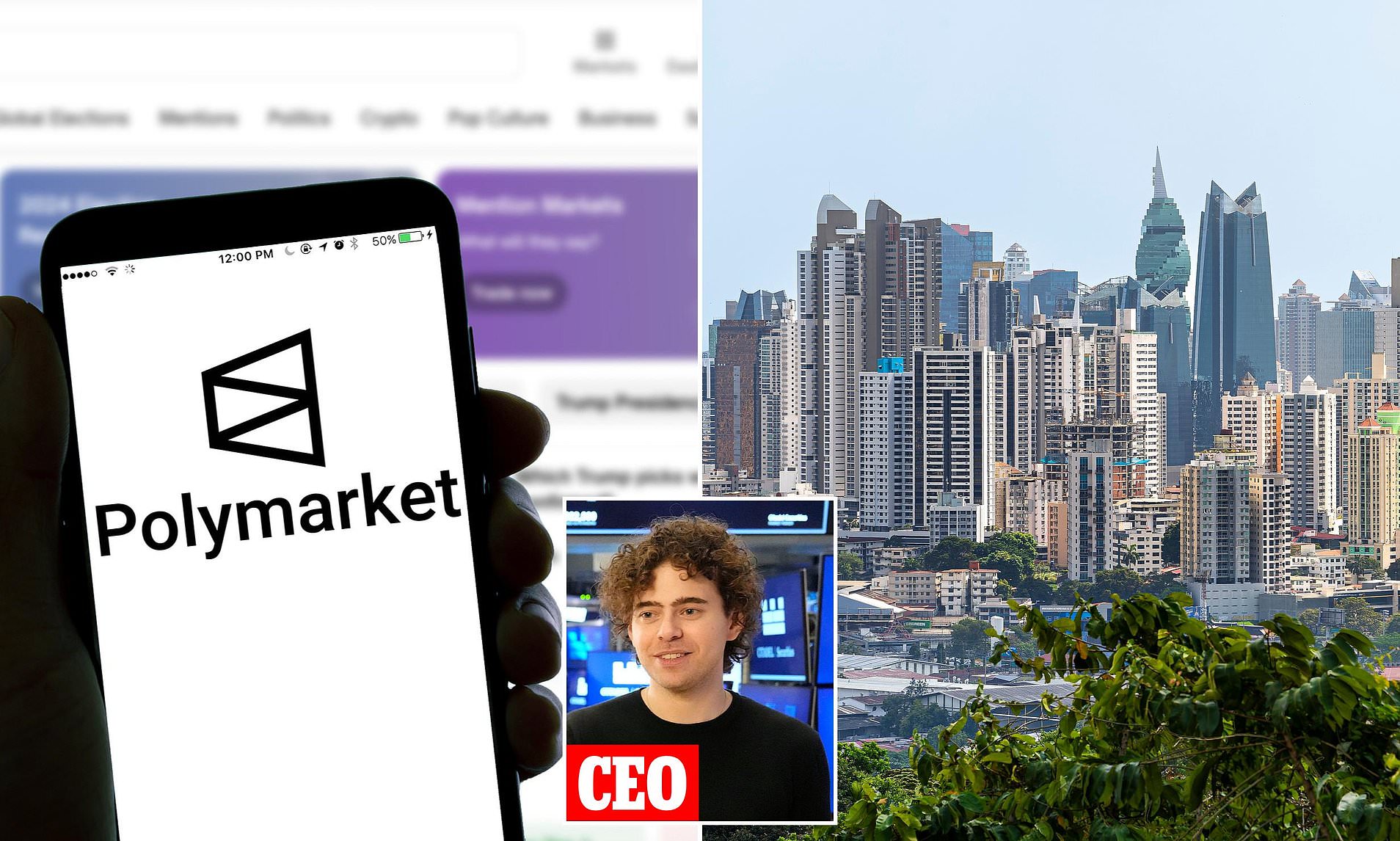
Polymarket, a fast-growing crypto betting platform valued at over $9 billion, has become a focal point of regulatory scrutiny due to its unique structure. The platform allows users to bet on a wide range of events, from elections to arrests. However, its operations are largely routed through an offshore company in Panama, which enables it to offer wagers that would be illegal in the United States.
Offshore Operations and Controversial Markets
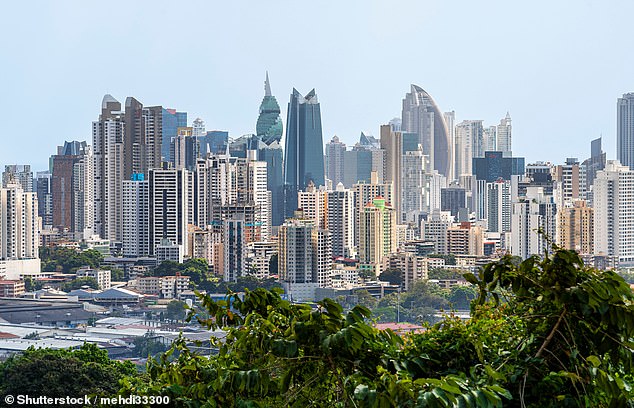
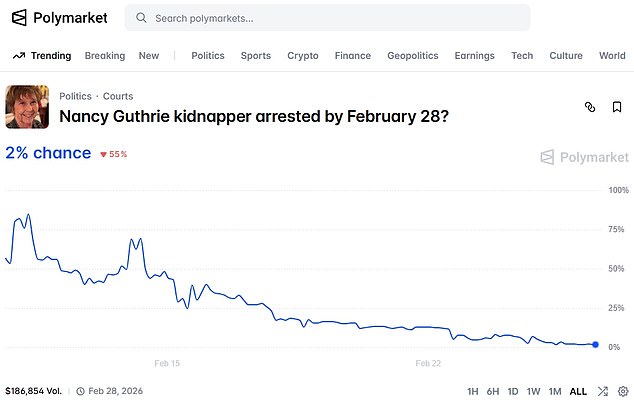
Approximately 97% of Polymarket’s trades are handled through Adventure One QSS Inc., a little-known company based in Panama. This setup means that most of its activity falls outside U.S. oversight, raising concerns about the types of bets being placed. For instance, the platform hosted a market related to the kidnapping of Nancy Guthrie, an 84-year-old woman, where users wagered over $188,000 on whether an arrest would be made. This example highlights the potential for these platforms to turn real-life criminal cases into betting opportunities.
Under U.S. law, platforms cannot allow wagers tied to events like war, terrorism, assassination, or death. However, such markets have appeared on Polymarket’s offshore site. The company was founded in 2020 by Shayne Coplan, a U.S. entrepreneur, who launched it during the pandemic as a way for users to bet on real-world events using cryptocurrency.

Regulatory Pressure and Shift to Offshore
Initially, Polymarket marketed itself as a more transparent alternative to traditional betting or forecasting, claiming that market prices reflect collective beliefs. However, as it grew, it attracted attention from regulators, particularly in the U.S., due to the nature of event-based contracts, which can fall under derivatives law.
In January 2022, the Commodity Futures Trading Commission (CFTC) fined Polymarket’s original U.S. entity Blockratize Inc. $1.4 million and ordered it to wind down unregistered markets. This led to a major shift in operations, with the main activity moving offshore to Adventure One QSS Inc., which now handles the vast majority of trading volume.
Only a small part of its business, roughly 3%, runs through a registered American entity that complies with oversight from the CFTC. The Panama-based company is not subject to the same requirements, meaning it does not have to carry out identity checks, monitor trading in the same way, or restrict certain types of bets.

Despite this, company leadership remains closely tied to the founder, Shayne Coplan, and current president Harry Jones, both of whom are based in the United States, according to public records.
Unregulated Trading and Concerns
Under U.S. rules, platforms cannot allow betting on events involving war, terrorism, assassination, or death. These restrictions stem from the Commodity Exchange Act, which governs financial derivatives markets. Yet, such markets have appeared on Polymarket’s offshore platform, alongside a wide range of geopolitical and other high-risk event contracts.
For example, an anonymous user turned a $32,000 bet into over $400,000 by correctly betting that Venezuelan President Nicolás Maduro would be captured. Most of the trades came just hours before the surprise U.S. operation that removed him from power. On another occasion, online sleuths spotted one anonymous account that correctly predicted nearly every outcome tied to the Super Bowl halftime show.

The structure of Polymarket also allows users to trade without providing personal information. Unlike U.S.-regulated exchanges, which require identity verification and sanctions screening, access to the offshore platform typically only requires a crypto wallet. Critics argue this creates potential risks, including the possibility of trading by sanctioned individuals, minors, or bad actors using anonymous accounts.
Academic Studies and Unusual Trading Patterns
Researchers have raised concerns about trading activity on the platform. A 2025 academic study from Columbia Business School and Barnard College found that roughly a quarter of transactions showed patterns consistent with ‘wash trading’—a practice where traders buy and sell to themselves to artificially inflate activity. On regulated exchanges, such behavior is banned and monitored through surveillance systems.
Separate analyses have flagged unusual trading patterns tied to major geopolitical events, with some accounts appearing to place highly accurate bets shortly before key developments. While these findings do not prove wrongdoing, they have fueled debate about whether unregulated prediction markets are vulnerable to manipulation or insider advantage.

Global Regulatory Actions and Future Outlook
Regulators around the world have taken notice. More than 15 jurisdictions, including the UK, France, Singapore, and Canada’s Ontario province, have either blocked access to Polymarket or taken enforcement action against its offshore operations. Authorities have cited concerns ranging from unlicensed gambling to lack of investor protections.
In the U.S., regulators previously fined Polymarket’s earlier operating entity and ordered it to shut down certain markets. Shortly after, operations shifted to the Panama-based company.
The situation highlights a broader dilemma for regulators. Demand for prediction markets continues to grow, with Intercontinental Exchange recently announcing a $600 million investment in Polymarket as part of a plan to invest up to $2 billion in the platform. However, strict rules in the U.S. limit what regulated platforms can offer, leading some demand to move offshore where platforms face fewer restrictions but also less oversight.
Supporters argue that prediction markets can provide valuable insights and crowd-sourced forecasting, while critics counter that without proper safeguards, they risk enabling harmful or unethical betting activity.