A Daring Rescue Operation in the Mountains of Iran
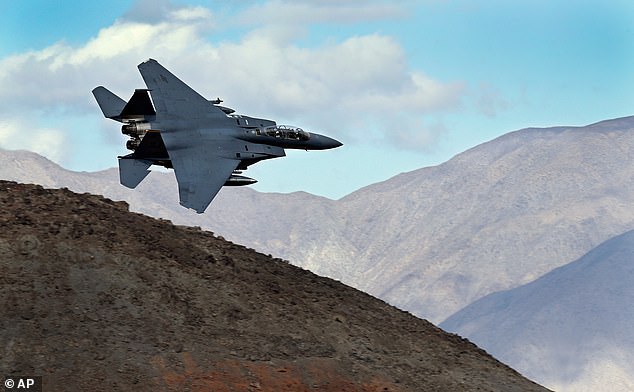
US forces executed a high-stakes military operation to rescue an Air Force colonel who had been stranded in the crevice of a mountain after his plane was shot down by enemy fire. The incident occurred when an F-15E Strike Eagle, carrying two crew members, was hit over a remote area of Iran. The pilot and weapons system officer, both part of the call sign ‘Dude 44,’ were forced to eject from the aircraft.
The pilot managed to be rescued by two military helicopters on the same day, but the airman remained missing for nearly 48 hours. The weapons system officer was left seriously injured after being thrown out of the F-15E and had only a handgun for protection. Despite these challenges, he managed to evade Iranian forces for nearly two days by climbing 7,000 feet up a mountain and hiding in a remote crevice.
A team of approximately 100 special-operations forces, along with dozens of US warplanes and helicopters, scoured the area for the airman. They even used missiles to target any Iranian forces that got too close, according to the Wall Street Journal. To buy more time, the US military employed the CIA to spread a false message that the airman had already been located.
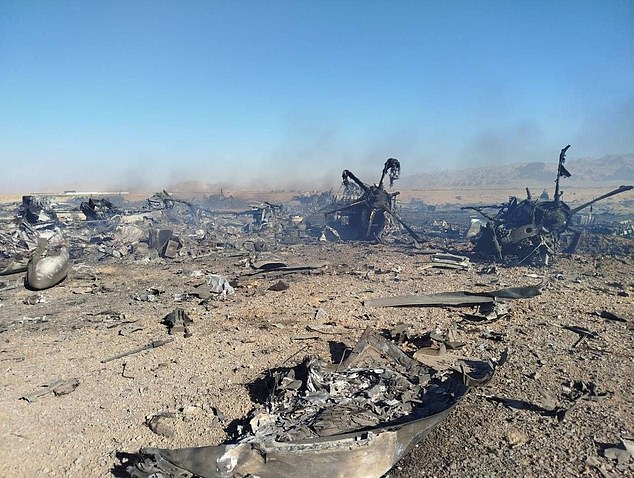
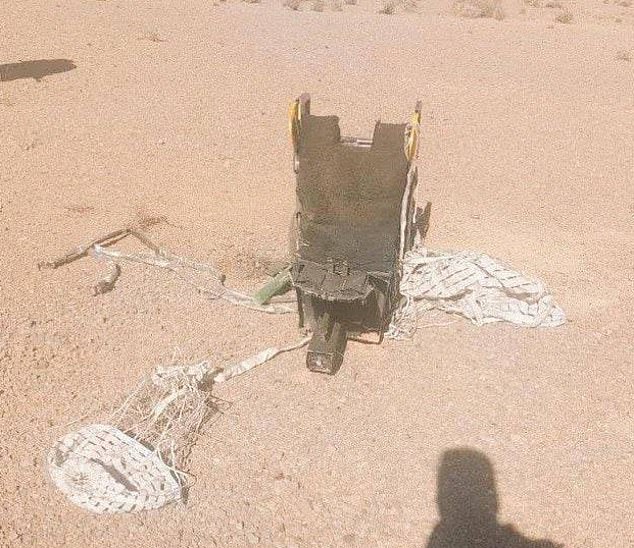
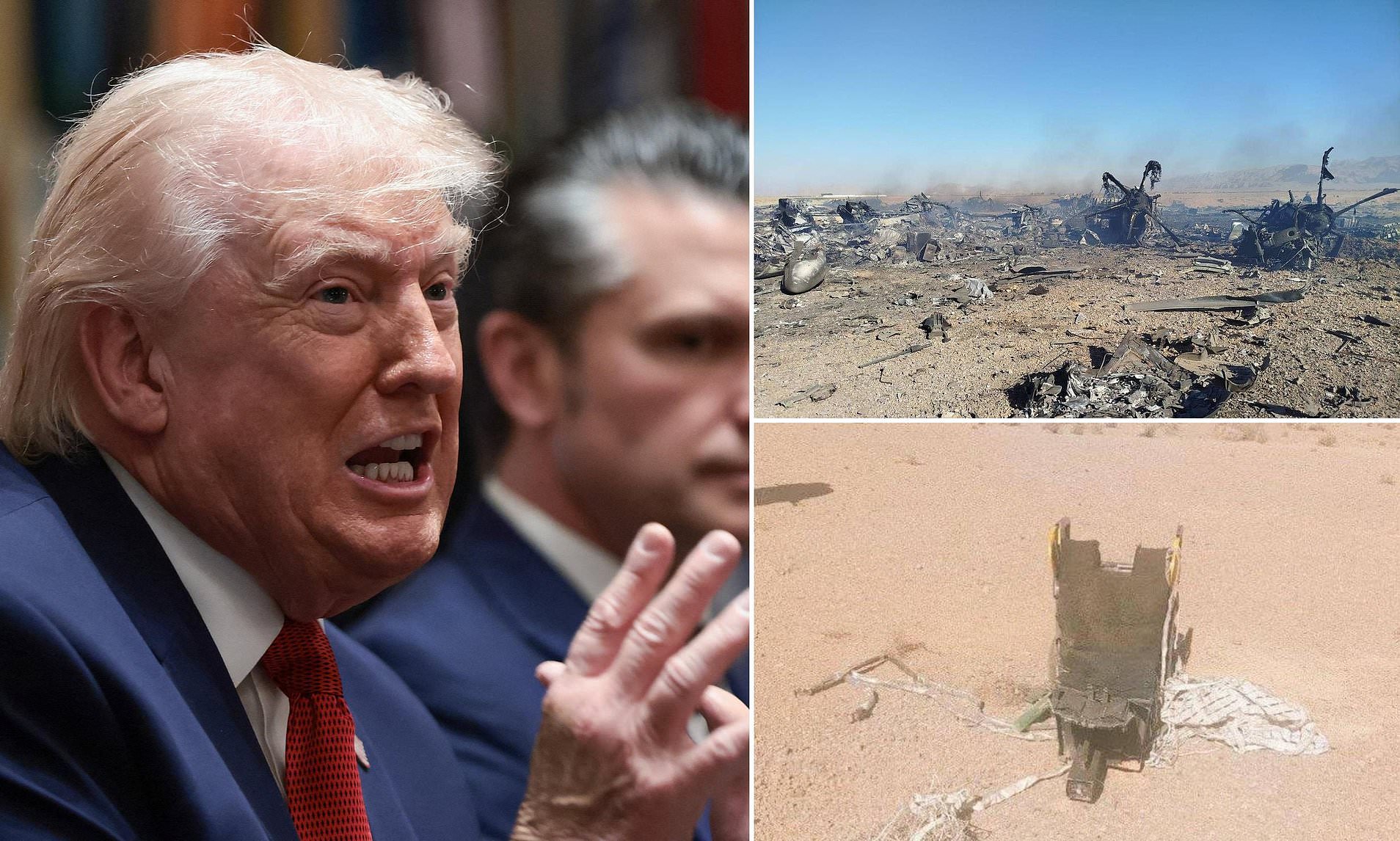
When the airman was finally rescued, American soldiers destroyed the aircraft that had crashed on the ground to prevent it from falling into Iranian hands. The injured airman was flown to Kuwait for medical treatment, and there were no US casualties during the operation.
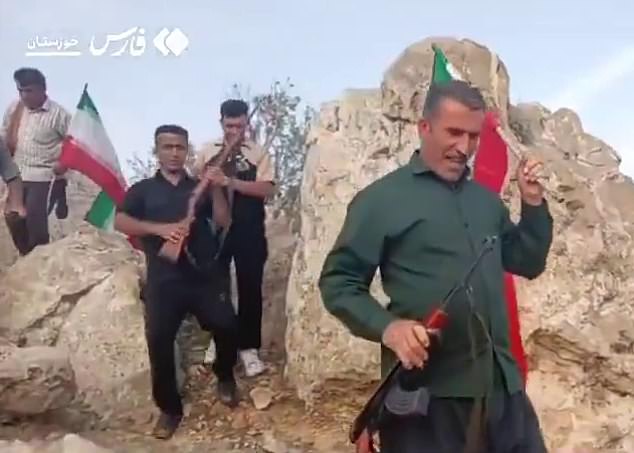
The weapons system officer was flying in the back seat when the F-15E came under fire by Iranian forces. The pilots quickly pulled their ejection handles, launching their seats out of the cockpit and deploying their parachutes as the damaged plane crashed. Iranian state media reported the crash, and one news anchor mentioned a $60,000 bounty for anyone who captured the surviving pilot.
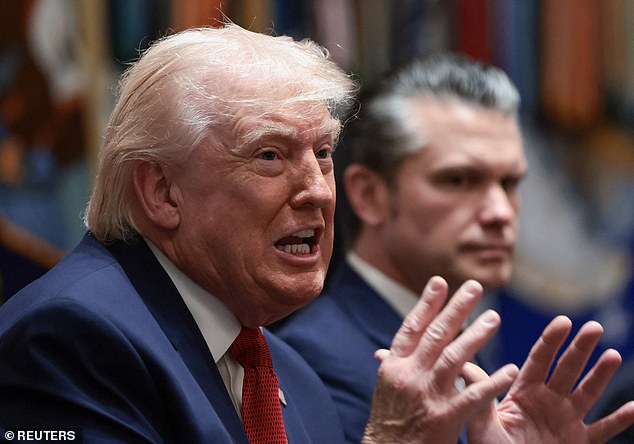
In Washington, Defense Secretary Pete Hegseth and General Dan Caine, chairman of the Joint Chiefs, briefed President Donald Trump on the situation. They assured him that the Pentagon had planned for such a scenario and could rescue the airman, a plan that Trump immediately approved.
‘We have to get him,’ the president reportedly said, concerned that video footage of a captured US airman would provide Tehran with a major propaganda tool. This marked the first time a piloted US aircraft had been lost over enemy territory in more than 20 years.
As the operation unfolded, four B-1 bombers dropped nearly 100 2,000-pound satellite-guided bombs, while MQ-9 Reaper drones targeted suspected fighters near the aviator’s hiding spot. The two pilots had landed far apart due to the speed at which the jet was traveling when they evacuated.
Ultimately, US military officials received ‘beeping information’ about the airman’s location, but a radio message confused them, making them think Iranians were sending false signals. According to Trump, the airman said, “Power be to God,” but it was later confirmed that the exact phrase was “God is good.”
As the airman went deeper into hiding, his communication with US officials became intermittent. To locate him, the US military redirected aircraft in the region, causing some planned targets—such as missile launcher sites—to go unharmed, allowing Iranian forces to fire more weapons than usual.
At first, the US forces faced difficulties in trying to rescue the airman, aborting their first effort when two H-6s came under fire, wounding the crew and forcing them to land in Kuwait. Two MC-130Js also faced problems when their nose wheels sank into the ground, leaving more military personnel stranded behind enemy lines as Basij fighters closed in.
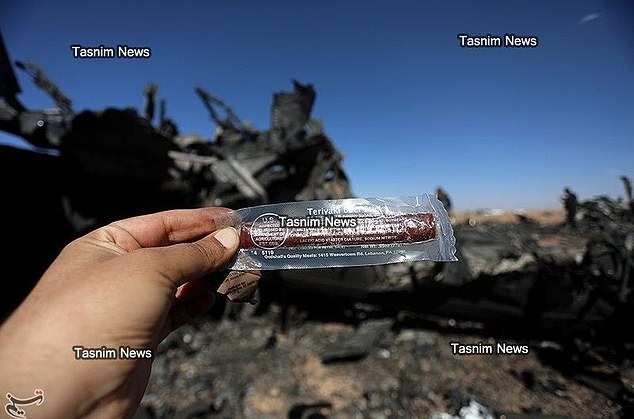
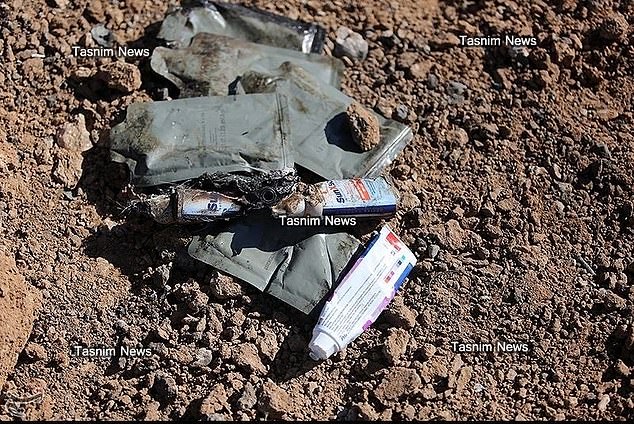
To handle the situation, three smaller planes carrying special teams made their way to a remote staging area. The US deployed MQ-9 Reaper drones and other aircraft to strike Iranian trackers, while the CIA pinpointed the aviator’s location to a mountain crevice—a task described as finding a needle in a haystack. The agency continued to provide real-time information and conducted a deception operation to mislead the Iranians.
The airman was referred to as a ‘valuable package’ that the US was trying to move out of the country through a maritime exfil. This deception campaign worked, drawing Iranians away from the area where the US crew member was located.
US forces coordinated with their Israeli counterparts to share intelligence and pause attacks in the area. Israel also conducted its own strikes in coordination with US forces, targeting assets that could threaten the evacuation efforts.
Once the airman was safe, US forces were forced to destroy their two stuck MC-130Js, costing over $100 million each, as well as two MH-6 Little Bird helicopters, which can cost up to $7.5 million. This move demonstrated the urgency of the mission and the extreme pressure under which the US forces operated.
On Saturday evening, Trump confirmed the airman’s safe rescue, posting on Truth Social: ‘WE GOT HIM! My fellow Americans, over the past several hours, the United States Military pulled off one of the most daring Search and Rescue Operations in U.S. History…’
Trump praised the operation, calling it one of the most daring in US history. He announced a news conference about the rescue on Monday, alongside members of the US military in the Oval Office.
How the daring extraction unfolded:
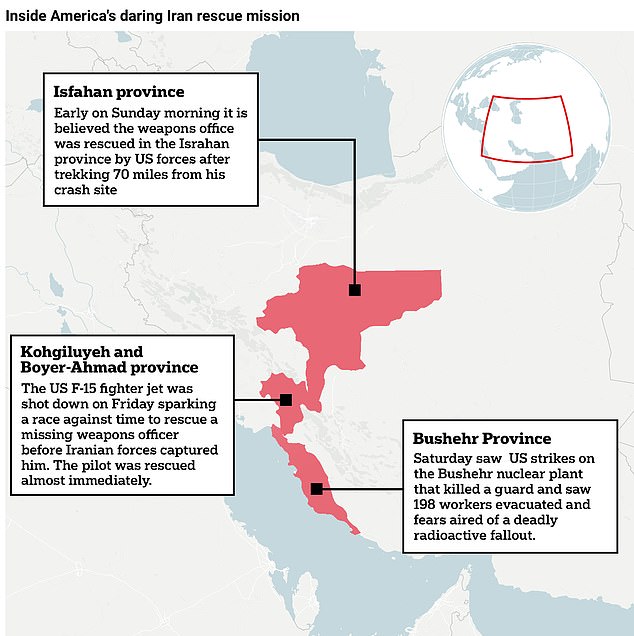
Friday morning, April 3. Near the village of Talkhuncheh, Isfahan Province, Iran.
An F-15E Strike Eagle was apparently hit by Iranian fire. Tehran claimed it was deploying new anti-aircraft weapons, and there were suspicions that an advanced passive infrared detection system was used to guide a missile. Both the pilot and weapons systems officer ejected.
Hours 1-12
The weapons systems officer, a lieutenant colonel, was injured during the ejection and became separated from the pilot. US special forces HH-60W Jolly Green 2 helicopters flew in and came under fire from Iranians. They rescued the pilot but were unable to reach the other crewman. Two helicopters were hit, and the crew were injured but escaped Iranian airspace. An A-10 Warthog was also hit by fire and later crashed in the Strait of Hormuz. An MC-130J refueling aircraft was filmed fueling two helicopters over the crash site. Iranians were also filmed firing at one rescue helicopter.
Hours 12-24
The Weapons Systems Officer started hiking away from the wreck site and evaded detection by Iranian Forces. Armed with just a hand gun and injured but mobile, the senior officer headed for higher ground. The experienced colonel used his SERE training, activating his emergency beacon and waiting for an unlikely rescue. Although he could use his emergency beacon to contact rescuers, it also risked giving his location away to the enemy.
Saturday morning
US special forces launched a second rescue mission with commandos from the elite SEAL Team 6, also known as DEVGRU, and landed at a desert airstrip near the town of Mahyar. The Navy Seals flew in four MH-6 Little Birds and rescued the officer from the mountain top before returning to the desert airstrip.
Saturday afternoon
The two C-130 aircraft got stuck in the dirt at the desert landing strip, forcing the US to deploy three new Dash-8 rescue aircrafts. The commandos blew up the two stuck aircraft and at least one helicopter to deny them to the enemy before making their escape.