
A Tragic Pothole and the Crisis of Britain’s Roads
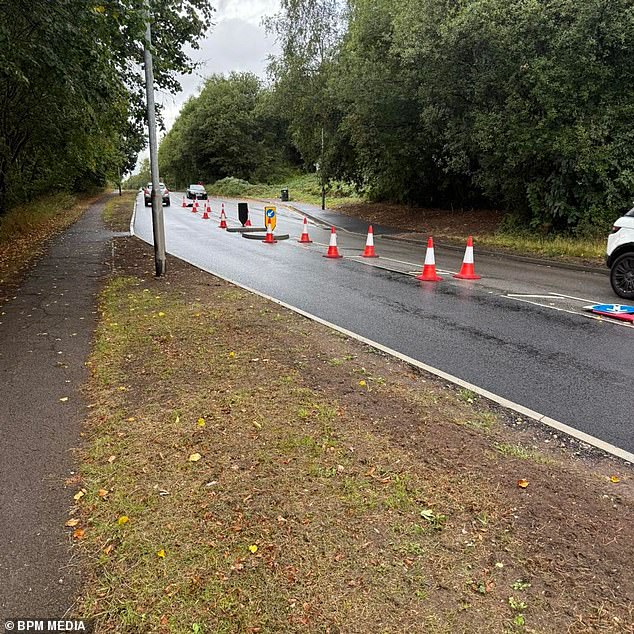
The pothole that claimed the life of Andrew Freakley was located directly in the middle of the A5272 on the outskirts of Stoke-on-Trent. It was here, just after 5pm on a Thursday in September, that the 43-year-old father of two performed what a coroner later described as a “simple overtake” on his Yamaha motorcycle. Mr. Freakley, returning home from work, clipped the pothole, which was more than 4cm deep and roughly a metre across, hidden in a hatched area of the road marked with diagonal stripes. The impact destabilized his vehicle, and he was unable to regain control. He slid into the path of an oncoming Volvo and died at the scene.
At the inquest last week, it was revealed that the local council had been aware of the pothole for at least four months. It had been inspected in May following a report and was flagged again by motorists on September 11. However, nothing was done to fix it until October 8, more than a fortnight after the fatal collision. This tragic event highlights a broader issue: the state of Britain’s roads is a national disgrace.
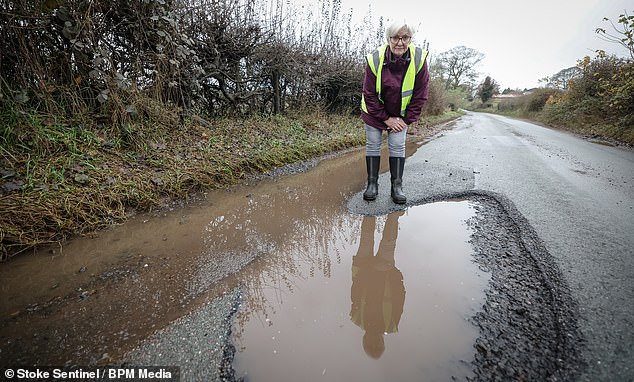
According to the AA, there were 613,638 pothole-related breakdowns in 2025, equating to more than 1,631 per day at a cost of roughly £215 million to motorists. The RAC estimates there are over a million potholes, or around six per mile. Despite spending £1.9 billion annually to patch them up, the backlog of repairs has reached £18.6 billion, according to the Asphalt Industry Alliance.


The human toll of this crisis is evident in Department for Transport figures showing that 161 people died in accidents caused by poor or defective road surfaces between 2015 and 2025, with over 7,000 injured. These statistics underscore the urgency of addressing the problem.
Innovation in Road Repair
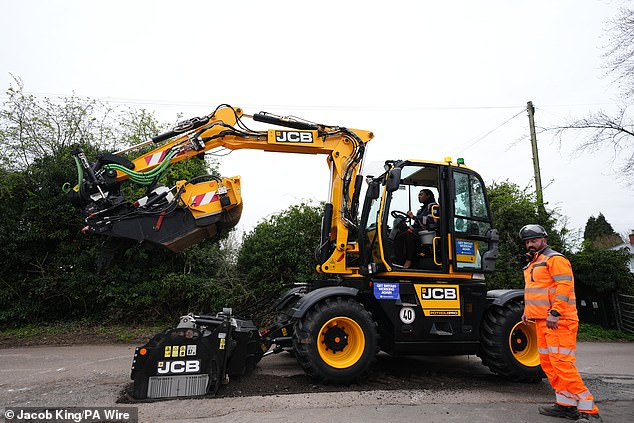
A disused quarry 25 minutes from Stoke-on-Trent offers a glimpse into a potential solution. Here, next to a pockmarked strip of asphalt, I was introduced to a machine resembling a pimped-up tractor. According to my hosts, the Pothole Pro could significantly alleviate Britain’s pothole crisis.
Invented by JCB, the Pothole Pro claims to fix potholes in a quarter of the time and for half the cost of traditional methods, which involve teams of workers using jackhammers, pickaxes, and yard brushes. JCB asserts that the machine does the job better, too.
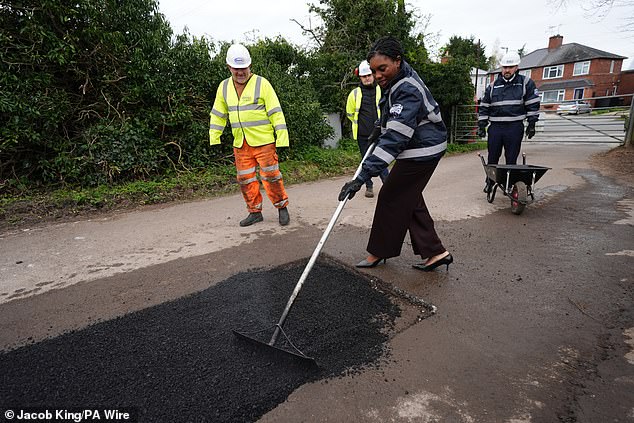
To understand why, one must consider a simple fact: the way most roads are repaired has barely changed in 70 years. Typically, holes are filled with asphalt, which is compacted. A “throw and go” method involves quickly filling craters with asphalt, but this only lasts a few months. The better method involves digging out old Tarmac to create a clean, rectangular hole, which can be filled with hot asphalt and sealed at the edges. Skilled teams take about 20 minutes to excavate a pothole, and these fixes can last for years.
However, due to the increasing number of vehicles on Britain’s roads—over 33 million compared to 2.5 million in the 1950s—the number of potholes needing repair has risen dramatically. Factors such as the popularity of electric cars (which are heavier), cold, wet winters, and the suspension of repairs during the pandemic have exacerbated the crisis.
Political and Practical Challenges
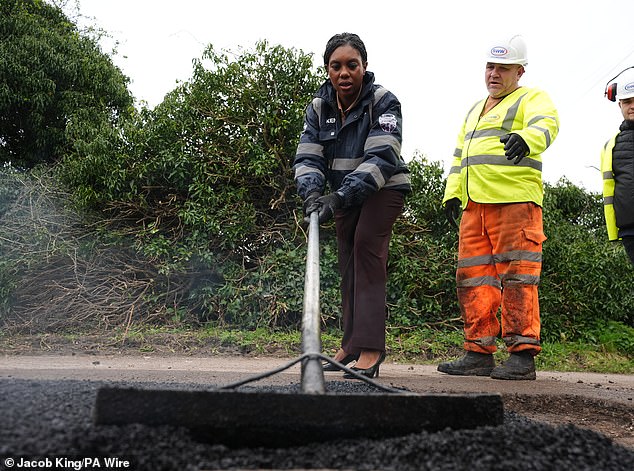
In recent years, many councils have faced budget cuts, leading to reduced highway maintenance. Labour Party leader Sir Keir Starmer highlighted potholes as a symbol of civic decline, while Tory leader Kemi Badenoch launched a £112 million “pothole patrol” plan using the Pothole Pro. While politicians may be seen as offering solutions, the Pothole Pro itself is a compelling innovation.
The machine works by first cutting away a section of the road surface with a whirring wheel containing 86 teeth. A slicer then tidies up the edges, creating a perfect rectangle. Spinning brushes and water jets clean out the dirt, leaving a neat hole. The process takes four minutes, and the machine can move to the next hole at up to 25mph while the rest of the crew completes the fix.
Ben Rawding, a JCB manager tasked with selling the Pothole Pro, explains that in London’s Harrow borough, annual repairs have increased from 1,700 to 7,000 since the machine’s introduction. In Scotland, where two-thirds of councils use the Pothole Pro, Midlothian has achieved its target of repairing 1,000 potholes every six months in half the time.
Despite these successes, not all local authorities are interested in the device, revealing a deeper political and practical challenge. Many councils have outsourced road maintenance, often with long-term contracts that offer little incentive for effective repairs. Some contractors are paid a fixed rate regardless of the number or quality of repairs, making them reluctant to invest in new technology like the Pothole Pro.
A Call for Change
The Pothole Pro’s potential is clear, but its adoption remains uneven. In some areas, political considerations and contractual constraints hinder progress. For instance, in Monmouthshire, a Labour-run council opted against purchasing the machine despite its effectiveness, continuing to use temporary fixes that fail within months.
Tony Kear, a Tory councillor affected by potholes, secured a loan of the Pothole Pro but found the council unwilling to commit after the loan period expired. His efforts to improve road quality were met with resistance, highlighting the challenges of implementing change.
While the Pothole Pro has sparked political debates, particularly due to its connection with a Tory peer, it has also been adopted by Labour and SNP councils. However, in some regions, concerns over political donations have led to calls for audits, reflecting the complex interplay of politics and infrastructure.
Britain already possesses a powerful tool to address the pothole crisis. The sooner it is deployed on our roads, the better.