The Rise and Fall of Atiku Abubakar’s Political Ambitions
The recent developments in the African Democratic Congress (ADC) have sparked a wave of excitement among its members and supporters. With the addition of Mallam Mohammed Rabi’u Musa Kwankwaso, former governor of Kano state and a prominent figure in Nigerian politics, the ADC has gained a significant Northern presence on its presidential ticket. This shift has raised questions about the party’s direction, especially in comparison to Atiku Abubakar, the Waziri Adamawa, who had long been seen as the likely candidate.
A New Era for the ADC
The inclusion of Kwankwaso marks a strategic move for the ADC, aiming to broaden its appeal across Nigeria’s diverse regions. It is no longer just a matter of “more the merrier” but rather a calculated effort to secure a more balanced and representative ticket. Given the constitutional requirement that the presidential and vice-presidential candidates cannot both be from the North, it is logical to expect that Peter Obi, the 2023 Labour Party presidential candidate, would now take the lead, with Kwankwaso as his running mate.
This development signals a turning point for Atiku Abubakar, whose long-standing ambitions to become Nigeria’s president have been overshadowed by the rising influence of Obi. For over two decades, Atiku has been a persistent contender, navigating through various political parties and setbacks. His journey has often been described metaphorically as a spiritual quest, akin to consulting marabouts—Islamic diviners who are believed to offer guidance and predictions.
The Marabout Metaphor
The term “marabout” has become synonymous with Atiku’s political strategy. While not literal, it represents his methodical approach to coalition-building and political maneuvering. Each loss was followed by a recalibration, forming new alliances and redefining his political identity. This resilience has made him a symbol of endurance in Nigerian politics, contrasting sharply with Obi’s more disruptive and youthful approach.
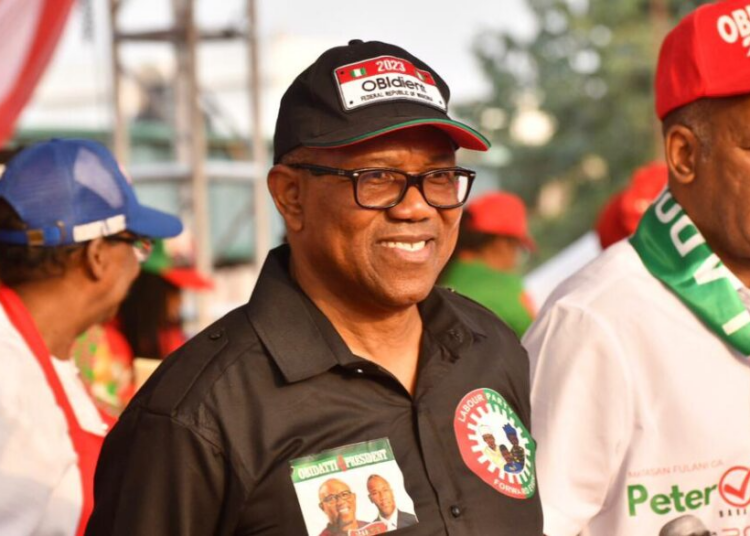
Obi’s entry into the political arena was marked by his partnership with Atiku in 2019, which ultimately led to their defeat. However, this experience allowed Obi to build a strong base of support, particularly among young urban voters. By 2023, he had successfully transitioned to the Labour Party, leveraging ethnic and religious identities to garner over six million votes. This marked a significant challenge to Atiku’s dominance in the opposition.
The Shift in Power Dynamics
The 2027 election cycle has further highlighted the changing dynamics within the ADC. Obi’s supporters, known as the Obidients, have begun to position him as the preferred candidate, with endorsements from influential figures like Baba Obasanjo. This has created a sense of urgency for Atiku, who now faces the prospect of being sidelined in favor of Obi.
The narrative around Atiku has evolved, with social media discussions reviving the idea of his reliance on “marabouts.” While this is more symbolic than factual, it reflects a deeper frustration with his repeated attempts to secure the presidency. The notion of his ambition becoming ritualistic has taken hold, with many questioning whether his efforts will ever culminate in success.
The Changing Landscape of Nigerian Politics
Atiku’s journey mirrors Nigeria’s post-1999 political landscape, where civilian governance was expected to emerge through bargaining among elites. The marabout metaphor fits well, as it encapsulates the role of intermediaries—emirs, generals, and businessmen—who claimed to possess the wisdom to navigate the political terrain.
However, the current generation of voters is no longer content with waiting for these intermediaries. Issues such as fuel shortages, currency collapse, and security challenges have shifted the focus from traditional power structures to tangible outcomes. Obi’s rise in the opposition reflects this change, driven by a grassroots movement that values direct engagement over ritualistic practices.
The Future of the ADC
As the ADC moves forward, the challenge lies in balancing the interests of its various factions. While Obi and Kwankwaso represent a new direction, they must also navigate the complexities of existing power structures within the party. The legacy of Atiku and his allies remains significant, and any attempt to marginalize them could lead to internal conflicts.
Ultimately, the outcome of the 2027 elections will determine the future of the ADC and the broader political landscape in Nigeria. Whether Obi can capitalize on his momentum or if Atiku’s persistence will resurface remains to be seen. What is clear, however, is that the political journey of these leaders is far from over, and the story of their ambitions continues to unfold.