A Political Reckoning with a Tyrant’s Legacy
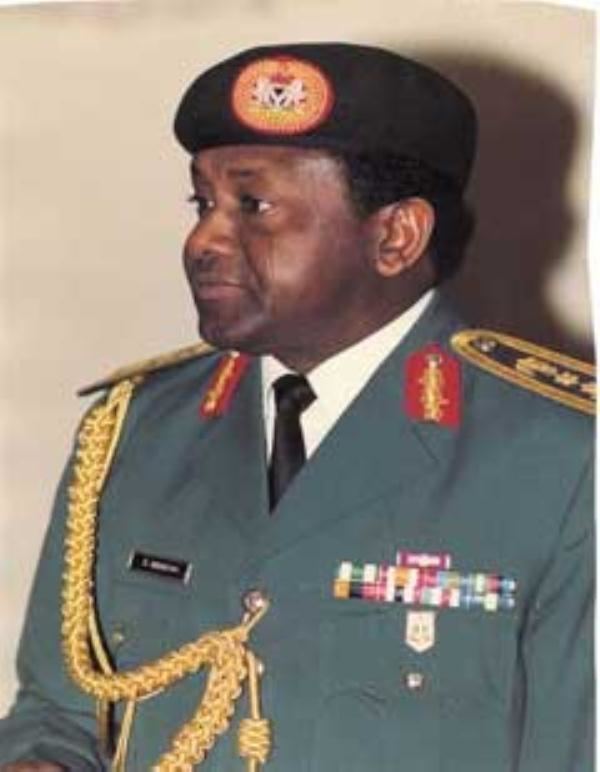
In the world of politics, there are moments that defy logic and challenge the very fabric of historical memory. One such moment has emerged as Peter Obi, once hailed as a beacon of hope in Nigeria’s turbulent political landscape, finds himself entangled in a controversial narrative that seeks to rehabilitate the legacy of General Sani Abacha, one of Africa’s most notorious military dictators.
This act of revisionism is not only perplexing but also deeply unsettling. It raises critical questions about the values and principles that should guide political discourse. The audacity of such an endeavor is akin to someone standing amidst a burning house and claiming the flames are merely decorative. It is a bold move that invites both admiration and condemnation.
Obi, who was once seen as a savior for Nigeria’s restless and hopeful populace, now appears to be navigating a treacherous path. His decision to champion the memory of Abacha is a stark departure from the ideals he once espoused. This shift has left many questioning the integrity of his political journey and the direction it may take.
The rehabilitation of a figure like Abacha is not just a matter of historical interpretation; it is a profound statement about the values that shape political narratives. Abacha’s tenure was marked by a series of atrocities that have left indelible scars on the nation. From the annulment of the 1993 presidential election to the brutal suppression of dissent, his regime was characterized by a complete disregard for democratic principles.
Consider the tragic fate of Alfred Rewane, a revered activist whose life was cut short in 1995. His murder was a clear violation of human rights and a testament to the lengths to which Abacha would go to silence opposition. Similarly, the assassination of Kudirat Abiola, the wife of the late Moshood Abiola, was a chilling reminder of the dangers faced by those who dared to challenge the regime.
The list of victims under Abacha’s rule is extensive and harrowing. Olu Onagoruwa’s son, Toyin Onagoruwa, was killed because of his father’s unwavering commitment to justice. Shehu Musa Yar’Adua, a prominent figure in Nigerian politics, was also a victim of the regime’s brutality. These stories underscore the dark legacy of a leader who prioritized power over people.
Moreover, the execution of Ken Saro-Wiwa and eight of his Ogoni compatriots in 1995 stands as a grim reminder of the international community’s response to such atrocities. The trial was widely regarded as a farce, leading to Nigeria’s expulsion from the Commonwealth and a global outcry. This event highlighted the moral bankruptcy of a regime that could so brazenly violate human rights and international norms.
As Obi seeks to reframe the narrative around Abacha, he must confront the reality of the man he is trying to celebrate. The question remains: What does it mean to honor a leader whose actions have caused so much suffering? Is it possible to reconcile the bloodshed and repression of a regime with any form of democratic sainthood?
The implications of this political maneuver are far-reaching. It not only challenges the credibility of Obi’s leadership but also raises concerns about the future of democratic governance in Nigeria. As the nation grapples with its past, it is essential to remember the lessons learned from the darkest chapters of its history.
In conclusion, the rehabilitation of Sani Abacha’s legacy by Peter Obi is a complex and contentious issue. It forces a reckoning with the values that define political leadership and the importance of remembering the past to ensure a more just and democratic future. The path forward requires a commitment to truth, accountability, and the protection of human rights for all.