Shift in Travel Preferences Among Hong Kong Residents
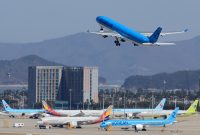
Hong Kong residents are increasingly opting for domestic travel options over international trips, driven by a combination of rising airline fuel surcharges and ongoing conflicts in the Middle East. This trend is reshaping how people plan their vacations, with many turning to high-speed rail journeys or short-haul flights within mainland China.
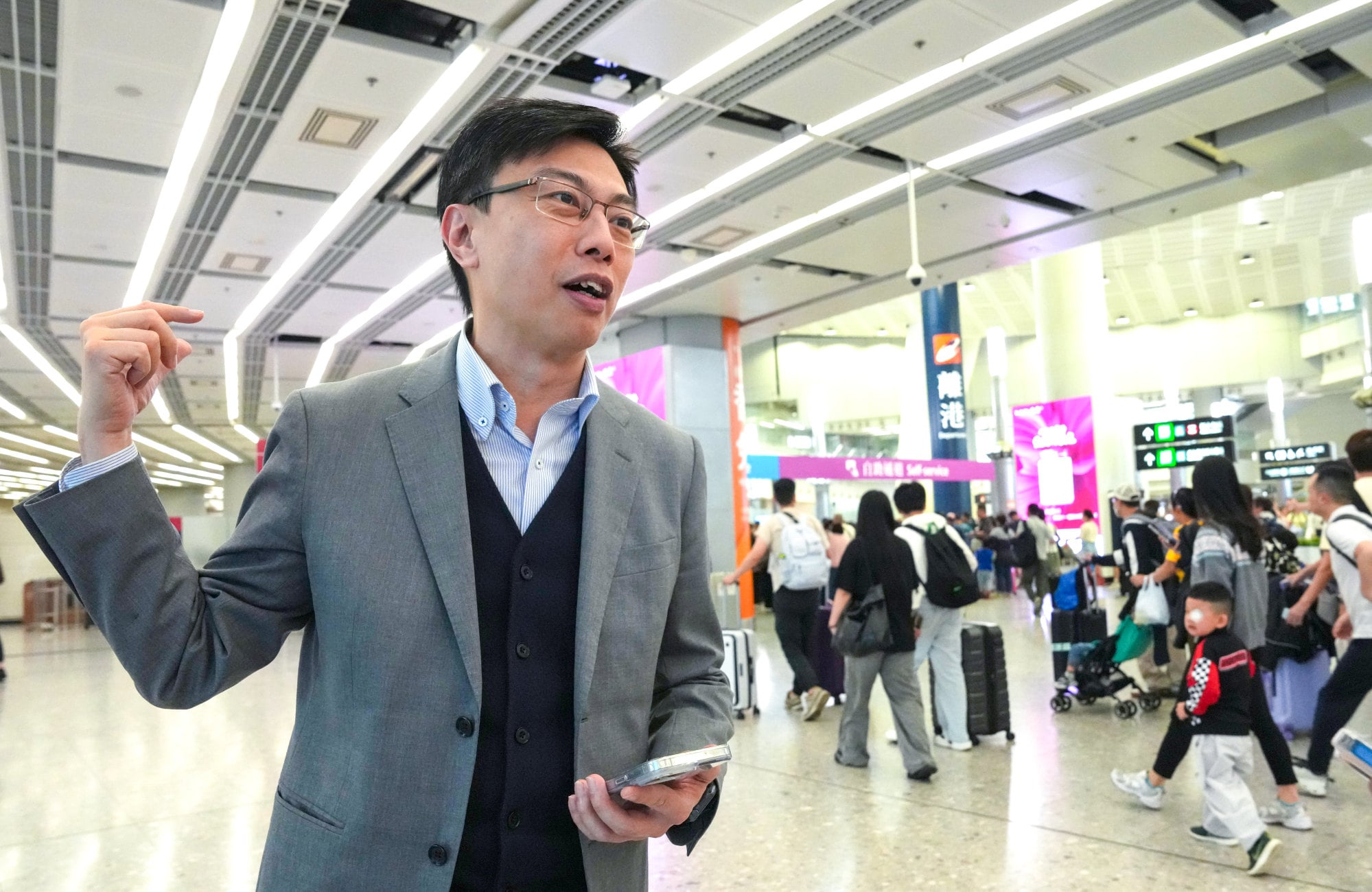
Mr. Lau, a 34-year-old Hong Kong resident, is one such individual who has made the switch. He recently traveled from Hong Kong to Guangzhou via high-speed rail for a three-day trip. Lau explained that after analyzing the costs, he found that a return train journey between the two cities cost approximately HK$500 (US$63.80), while a short-haul flight would cost over HK$1,500 when including additional surcharges. This significant price difference has led him to reconsider his travel plans for the year.
Lau mentioned that he now intends to visit Shenzhen, Guangzhou, and Xiamen more frequently. He highlighted the convenience of city-centre departures and the ability to avoid airport charges as key factors in his decision. “With the extra fees on flights, taking the high-speed rail makes more sense now, especially for short trips,” he said.
Timothy Chui Ting-pong, executive director of the Hong Kong Tourism Association, noted that the sharp increase in fuel surcharges and the instability in the Middle East have not only discouraged long-haul travel but also encouraged Hongkongers to explore less popular destinations, particularly those accessible via high-speed rail.
Chui observed that during the Easter holiday, crowds were seen boarding the Guangzhou-Shenzhen-Hong Kong express line at the West Kowloon rail terminus. He suggested that if the situation in the Middle East remains unstable, more travelers might consider further destinations on the mainland, such as Harbin, Xinjiang, and other regions that are less commonly visited by Hongkongers.
He also pointed out that affordable flight prices to mainland cities like Chongqing and Beijing have become attractive options for travelers. For example, trips to Chongqing can cost around HK$2,500, while flights to Beijing for Mother’s Day in May can be as low as HK$1,500. Chui added that there has been a noticeable increase in bookings and inquiries for mainland destinations following the US-Israeli conflict with Iran.
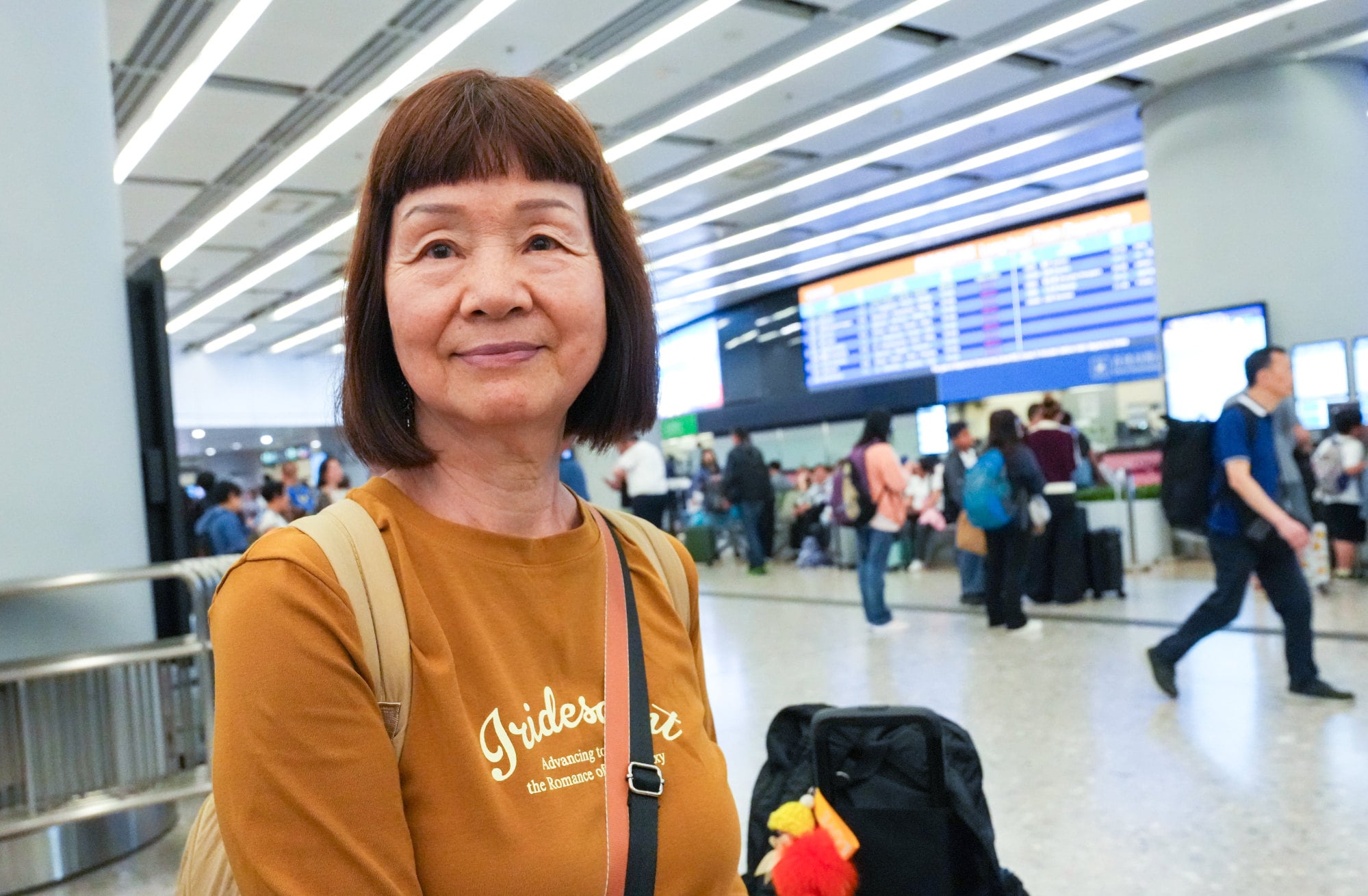
Jonnie Wong, another Hong Kong traveler, shared her experience of choosing the high-speed rail for a five-day trip to Wuhan over the Easter holiday. She emphasized the convenience of the journey, which takes about four hours, and the ease of boarding without the need for check-in. While the trip may not be cheaper than flying, she found it more appealing for short-haul travel.
Wong also mentioned that the ongoing conflict abroad has influenced her decision to avoid long-haul destinations. “Other places, like Europe, don’t feel as safe at the moment, so we prefer to travel within the mainland,” she said.
In addition to high-speed rail, some savvy travelers are finding ways to fly cheaply from Shenzhen. Mr. Lau noted that high-speed railway fares remain consistent throughout the year, making them a predictable and reliable option for travel.
The MTR Corporation has also partnered with various travel agents to offer packages, such as tours in April to witness the blooming of cherry blossoms and rapeseed flowers in cities connected by the high-speed rail line.
Gary Ng Cheuk-yan, a senior economist at Natixis Corporate and Investment Bank, believes that flight prices could continue to rise. He agrees that Hong Kong travelers are increasingly considering less-explored mainland cities instead of long-haul destinations. “Flights to the mainland will be cheaper than those to overseas destinations, and some may choose to travel by train to the mainland as an alternative to traveling to destinations that require long-haul flights,” he said.
Ng also highlighted that train prices are less affected by oil price fluctuations, making them a more stable option for travelers.
Several airlines, including Cathay Pacific Airways and its budget arm HK Express, have raised fuel surcharges in response to the conflict in the Middle East. Cathay Pacific increased the fuel surcharge for long-haul trips nearly threefold, from HK$569 to HK$1,560. The surcharge for short-haul trips also rose significantly, from HK$142 to HK$389. Similarly, HK Express doubled its fuel surcharges to HK$290 from HK$140 starting on March 18, although it kept the cost for mainland routes unchanged at HK$165.
Hong Kong Airlines raised fuel surcharges by up to 35.2% on March 12, with flights to the Maldives, Bangladesh, and Nepal experiencing the highest increases. Greater Bay Airlines also increased fuel surcharges by 34% for non-China destinations, with flights to the Maldives seeing an additional cost of HK$725.