Strategic Ties Between India and Russia Amid Global Challenges
As the global energy crisis continues to impact nations worldwide, India and Russia have reaffirmed their commitment to maintaining robust energy trade relations. Analysts suggest that this partnership is not only driven by mutual economic interests but also by a strategic need to balance against the influence of the United States and China.
The relationship between Moscow and New Delhi has often been described as an “all-weather friend,” a term that highlights the deep-rooted and enduring nature of their cooperation. This sentiment is rooted in shared strategic interests, with both countries viewing each other as crucial partners in navigating the complex geopolitical landscape shaped by the rise of China and the unpredictable policies of the United States.
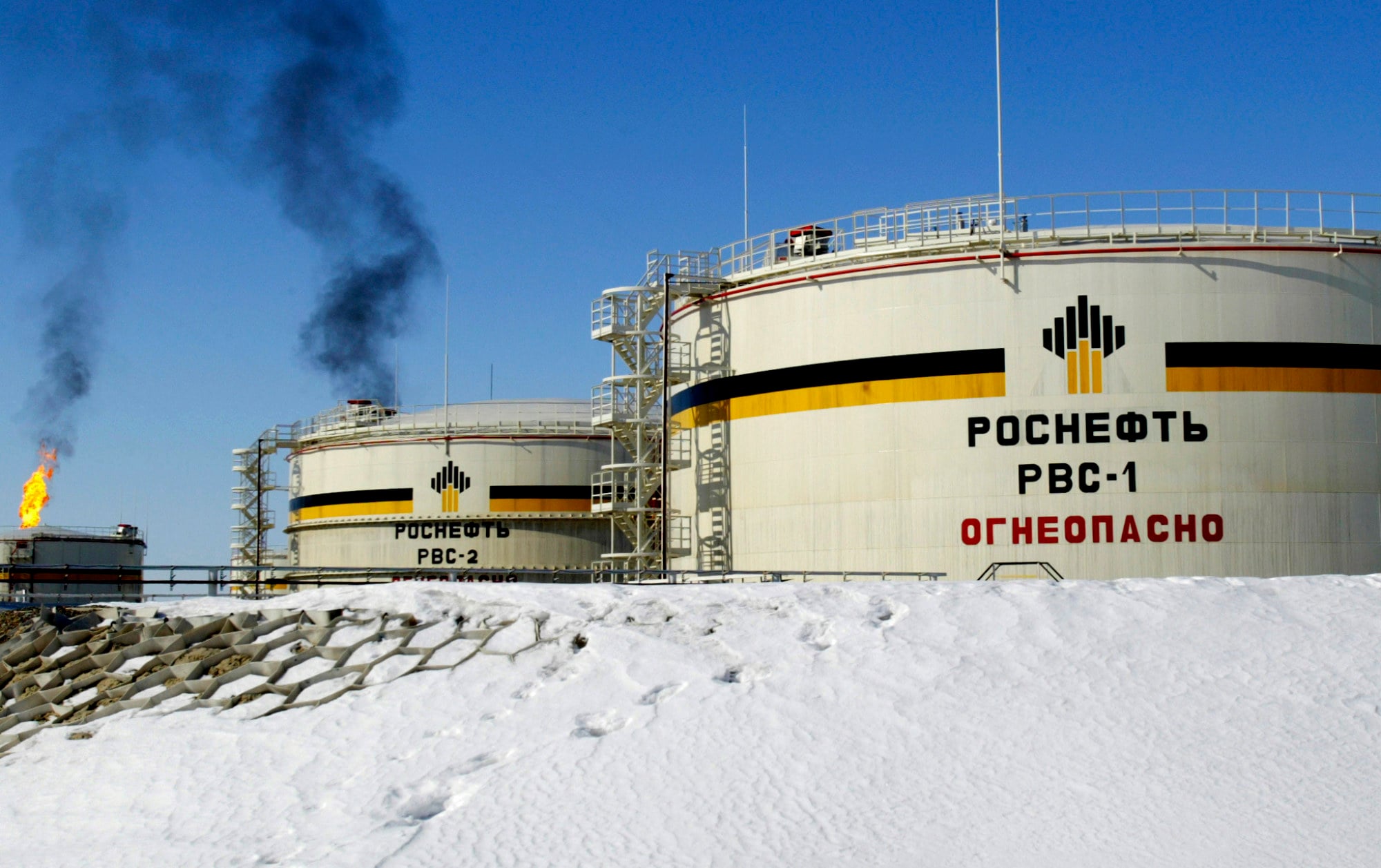
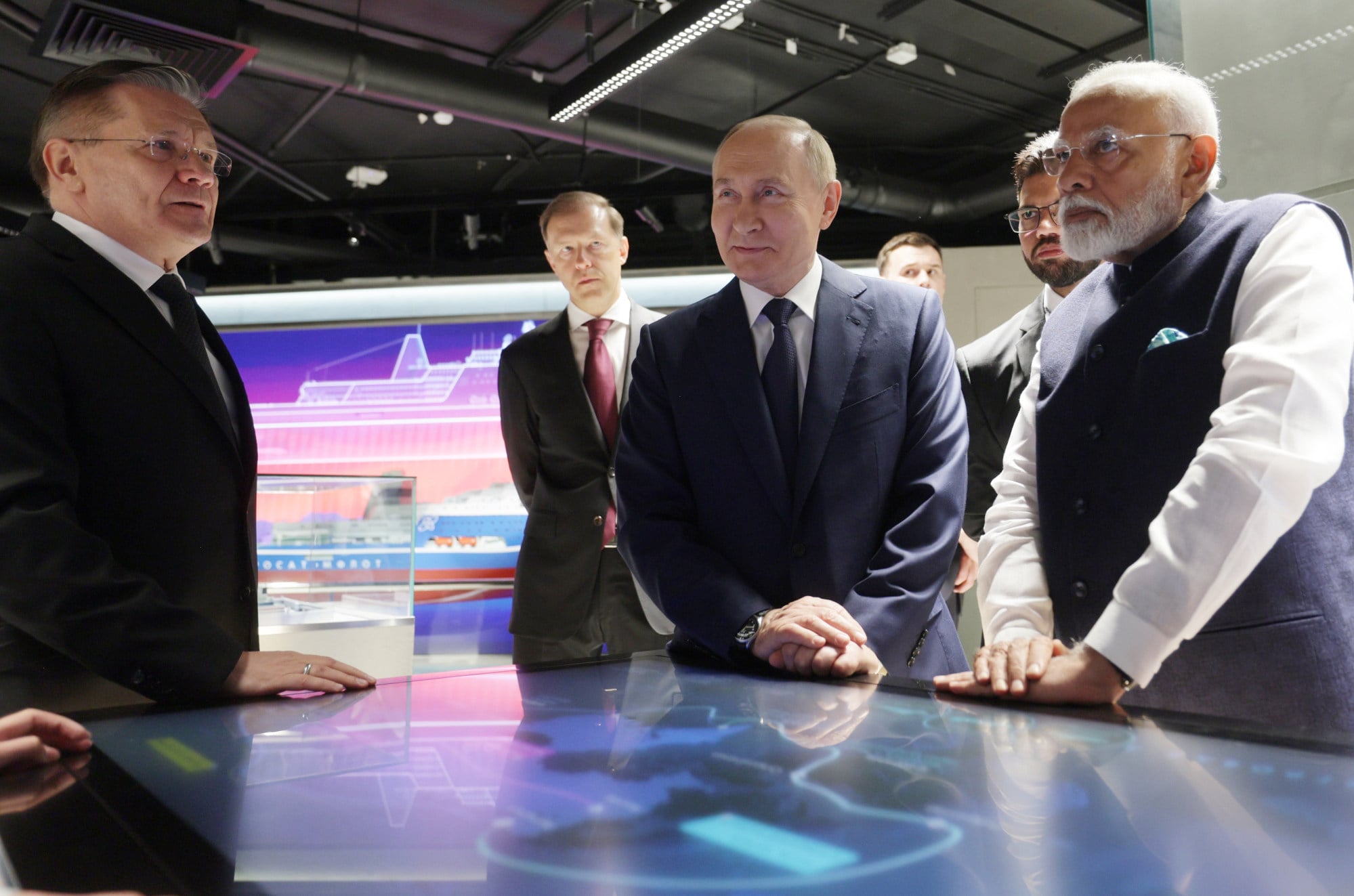
During a recent visit by Russian First Deputy Prime Minister Denis Manturov to India, discussions focused on expanding oil and liquefied natural gas (LNG) supplies to meet the growing energy demands of the country. Manturov emphasized that Russia was well-positioned to increase its energy exports to India, especially amid the ongoing supply disruptions caused by conflicts in the Middle East.
India has reportedly entered into negotiations with Russia to restart direct LNG imports for the first time since the 2022 Ukraine war. Additionally, Indian refiners have made significant purchases of Russian crude oil, securing 60 million barrels for April. These developments underscore the evolving dynamics of the Indo-Russian energy relationship.
Despite these positive steps, bilateral ties have faced challenges, particularly after former U.S. President Donald Trump imposed a penalty tariff on India for purchasing crude oil from Russia. This move aimed to discourage India from relying on Russian energy sources, highlighting the broader geopolitical tensions between the U.S. and Russia.
A Time-Tested Partnership
Randhir Jaiswal, a spokesperson for India’s Ministry of External Affairs, highlighted the “deep-rooted, time-tested relationship” between India and Russia during Manturov’s visit. He emphasized the collaboration across various sectors, including trade, defense, and strategic partnerships.
Indian analysts have also praised Russia as a “trusted friend,” a sentiment echoed by Prime Minister Narendra Modi, who referred to Moscow as an “all-weather friend” during his visits to Russia in 2024 and 2025. In a social media post, Modi noted that both countries had continued to strengthen their cooperation in areas such as trade, fertilizers, connectivity, and people-to-people ties.
Former Indian diplomat Anil Trigunayat, who served as Delhi’s deputy chief of mission in Moscow, emphasized that the relationship between India and Russia has always been based on mutual support. He pointed out that both countries share common interests in the energy sector, which has further solidified their partnership.
At a recent conference in Moscow, Russian Foreign Minister Sergey Lavrov praised India’s “independent foreign policy” and highlighted the “time-tested” friendship between the two nations. He described it as a model of interstate relations based on mutual trust and respect.
Balancing Against Major Powers
Ivan Lidarev, a visiting research fellow at the National University of Singapore’s Institute of South Asian Studies, noted that while international relations are typically driven by interests rather than sentiment, the India-Russia relationship represents a strong and evolving partnership. He pointed out that both countries share a vision of a multipolar global order, emphasizing the importance of state sovereignty, the role of the Global South, and the need for multilateral institutions.
Lidarev also highlighted the shared interest of India and Russia in countering China’s growing influence. Both nations view each other as essential partners in balancing Beijing’s power through organizations like BRICS and the Shanghai Cooperation Organization. Without this partnership, Russia might have to rely more heavily on China, while India could face increased dependence on the U.S., which is seen as increasingly unreliable.
Defense and Economic Cooperation
Manturov’s visit came shortly after India’s defense ministry signed a $46.9 million deal with Russia’s Rosoboronexport to acquire an air defense missile system. This agreement underscores the long-standing defense cooperation between the two nations.
Rajan Kumar, an associate professor at Jawaharlal Nehru University, pointed out that maintaining close ties with Russia has helped prevent a stronger alignment between Moscow and Beijing. He also noted that Russia relies on India due to its large market size, stating that despite Western sanctions following the Ukraine war, Russia’s survival has been partly attributed to continued trade with India and China.
Michael Rubin, a senior fellow at the American Enterprise Institute, suggested that Russia is leveraging the Middle East conflict to strengthen its ties with India. However, he cautioned that India’s future may involve navigating the unpredictable actions of both Donald Trump and Vladimir Putin.
Energy Sector Dynamics
Rahul Wankhede, a research analyst at the Manohar Parrikar Institute for Defence Studies and Analyses, highlighted the long history of defense cooperation between India and Russia. Many of India’s weapons systems are of Russian origin, and the country continues to depend on Moscow for spare parts, maintenance, and upgrades.
While the U.S. has monitored these defense ties and previously threatened sanctions, it has refrained from disrupting them due to India’s strategic importance. This dynamic is expected to continue in the future.
Wankhede also noted that India’s engagement with Russia in the energy sector is driven by factors such as price advantages, supply security, and Russia’s limited refining capacity. He pointed out that much of the Russian oil entering India is refined and exported to Europe and other regions, indicating a broader geoeconomic arrangement that involves multiple stakeholders.