Strategic Importance of the Strait of Hormuz
The Strait of Hormuz, a vital maritime chokepoint, has become a focal point in global geopolitical tensions. Iran’s control over this strategic channel allows it to influence international trade and energy flows, particularly affecting the United States and its allies. In recent developments, several Southeast Asian countries have sought diplomatic solutions to ensure safe passage for their vessels through the strait.
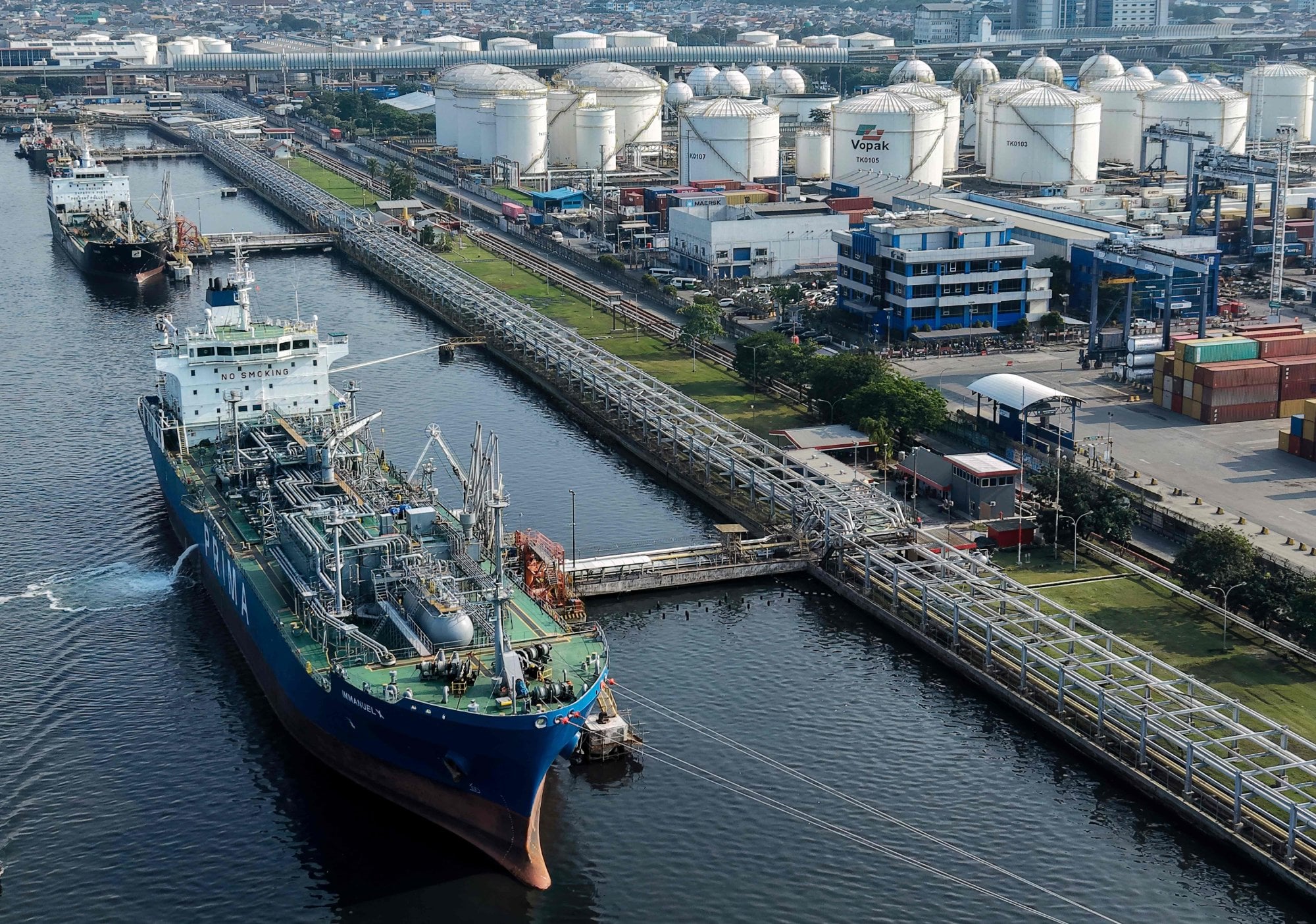
Indonesia’s Foreign Affairs spokesman, Vahd Nabyl Achmad Mulachela, mentioned that communication with Iran had been established since the situation first escalated. This dialogue has led to the approval of Indonesian vessels, such as Pertamina Pride and Gamsunoro, to transit the strait. The Energy and Mineral Resources Ministry emphasized the importance of these vessels in maintaining Indonesia’s national energy security.
Thailand and Malaysia have also engaged in similar diplomatic efforts. Thailand’s deputy Foreign Ministry spokesman, Panidone Pachimsawat, stated that the ministry was coordinating with Tehran to ensure the safe navigation of Thai commercial vessels. Similarly, Malaysian vessels were granted passage after Prime Minister Anwar Ibrahim spoke to Iran and other countries as part of peace initiatives in the Middle East.
Abdul Rahman Yaacob, a research fellow at the Rabdan Security and Defence Institute, highlighted that Asean members’ neutrality in the conflict played a significant role in securing access to the strait. This neutrality allows Asean economies to maintain vital trade flows with Gulf states, including the import and export of goods and energy resources.
Iran’s Foreign Minister, Abbas Araghchi, expressed appreciation for the support from Southeast Asian nations during Eid celebrations. He thanked those who condemned “the brutal aggression of the US and the Zionist regime against the Muslim community of Iran during the month of Ramadan and showed their solidarity.”
Diplomatic Gestures and Regional Alliances
Iran’s attempts to gain diplomatic support from the Global South and the broader Asian region are seen as a strategic move. According to Rahman, allowing vessels from countries like Thailand, Malaysia, and Indonesia to pass through the strait serves as a pragmatic diplomatic gesture. This approach helps Tehran signal its willingness to avoid imposing hardship on nations not directly involved in the conflict.
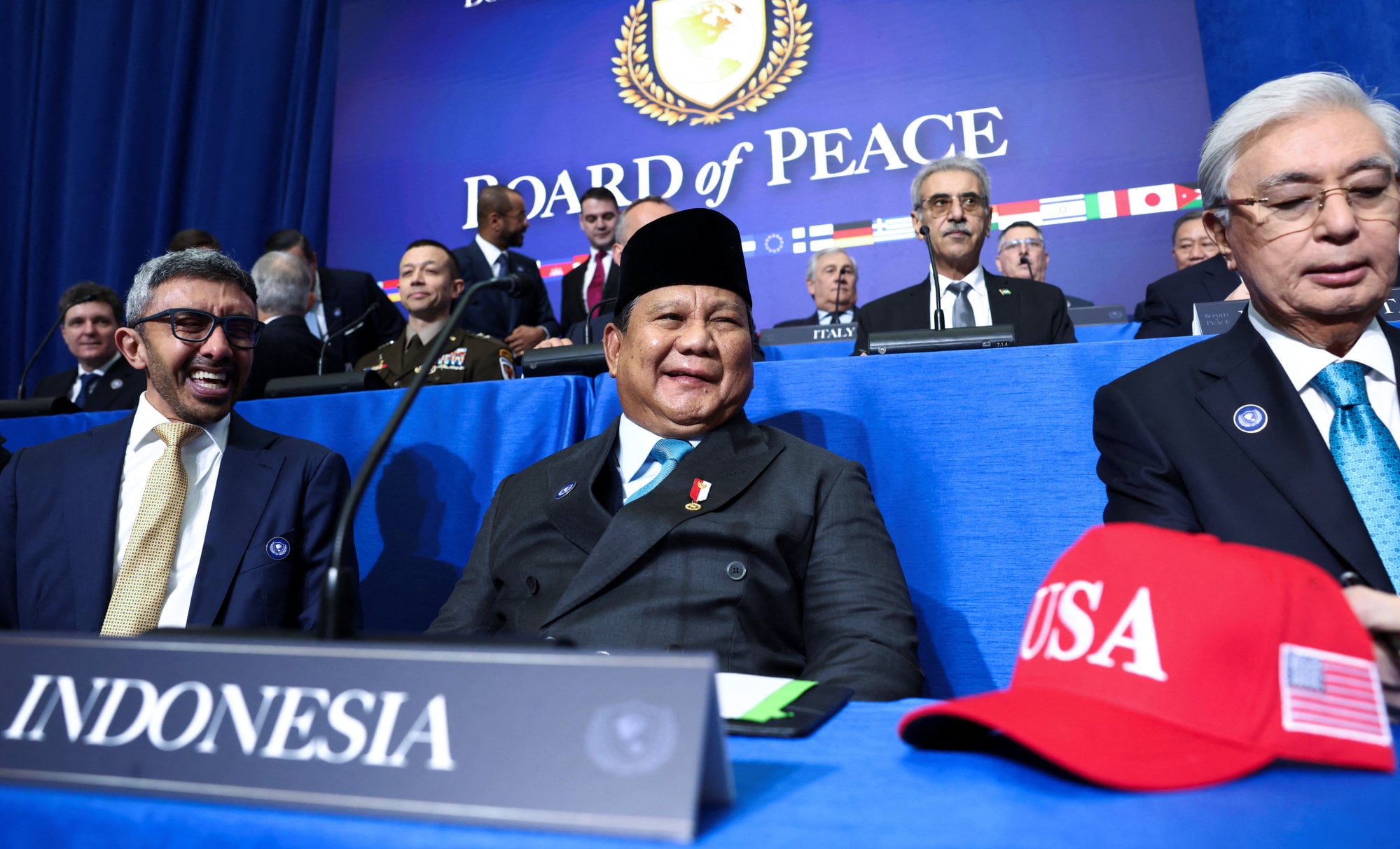
However, Indonesia’s diplomatic position is more complex. Rifki Dermawan, an international relations lecturer, noted that Indonesia is “struggling diplomatically” to gain access to the Hormuz Strait. This stems from Jakarta’s decision to join the “Board of Peace” proposed by US President Donald Trump and its attempts to move closer to the US, which has affected its standing from Iran’s perspective.
Despite this, Indonesia’s relationship with Iran’s ambassador to Indonesia, Mohammad Boroujerdi, has provided some leverage. Prominent Indonesian political figures, including former President Megawati Sukarnoputri and former Vice-President Jusuf Kalla, have engaged with the ambassador on Middle East developments.
Political scientist Chong Ja Ian from the National University of Singapore suggested that Iran is likely seeking to win over as much global public opinion as possible. This effort extends beyond the Muslim world, aiming to increase Tehran’s leverage by highlighting the necessity of Iranian assent for fuel access.
Economic Resilience and Energy Security
Asean’s neutrality in the conflict means they are likely to cooperate with various partners, including China and Japan, to secure stable access to energy resources. This pragmatic approach reflects the region’s priority on economic resilience and energy security over geopolitical alignments.
Rahman cited the case of the Philippines, which proposed joint development initiatives with China to explore and extract energy resources in contested areas of the South China Sea. Such efforts can be viewed as constructive steps towards easing regional tensions while addressing resource needs.
Beijing’s role in the region is significant. China is leveraging current global economic and energy uncertainty to position itself as a more reliable strategic and security partner for Southeast Asia. Last month, China pledged to work with Southeast Asian countries on energy security as the war in the Middle East continues to impact global oil and gas supplies.
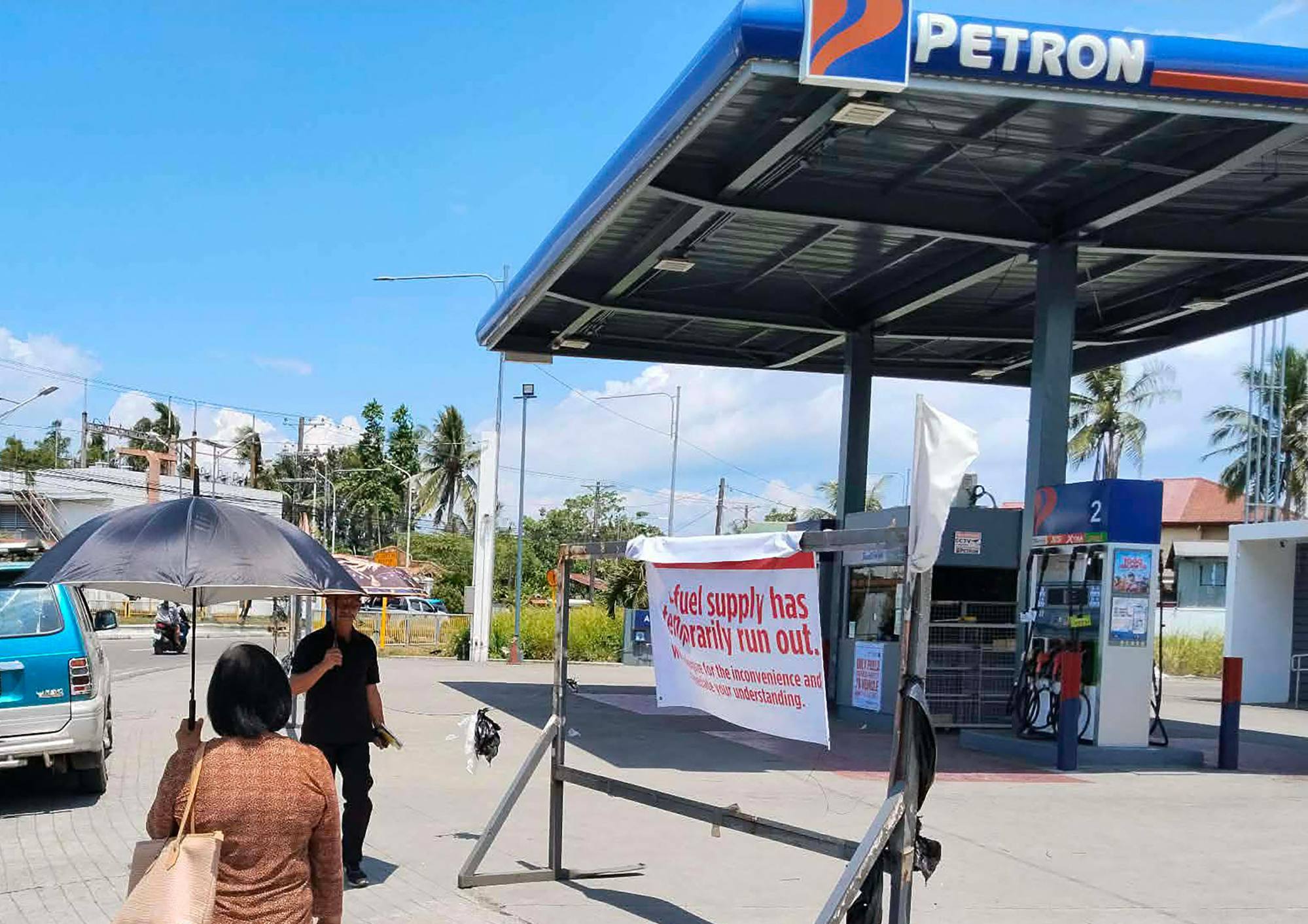
Chinese Foreign Ministry spokesman Lin Jian emphasized Beijing’s readiness to strengthen cooperation and coordination with Southeast Asian countries to address energy security issues. China’s extensive strategic oil reserves make it a critical player in the region’s energy landscape.
Rifki noted that Asean countries traditionally close to China, such as Cambodia, Laos, and Myanmar, may turn to Beijing if the oil crisis worsens. However, countries like the Philippines and Vietnam, which have territorial disputes with China, may seek to diversify their oil sources to avoid dependence on Beijing.
Conclusion
The situation around the Strait of Hormuz highlights the complex interplay of diplomacy, economics, and geopolitics in Southeast Asia. As countries navigate these challenges, their strategic choices will shape the region’s future in terms of energy security and international relations.