Australian Fuel Crisis Deepens as Nearly 8% of Service Stations Report Supply Issues
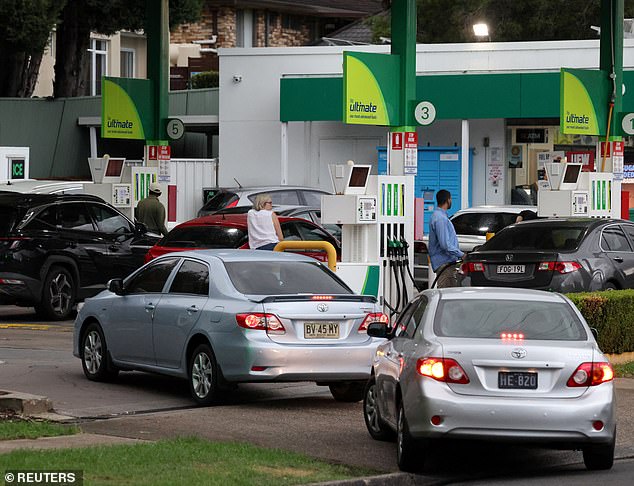
A significant portion of Australia’s service stations are currently grappling with fuel supply challenges, with nearly 8% of all outlets nationwide experiencing difficulties in sourcing essential fuel types. The escalating situation has prompted urgent discussions at the highest levels of government, as the nation confronts a complex web of global supply disruptions and domestic distribution hurdles.
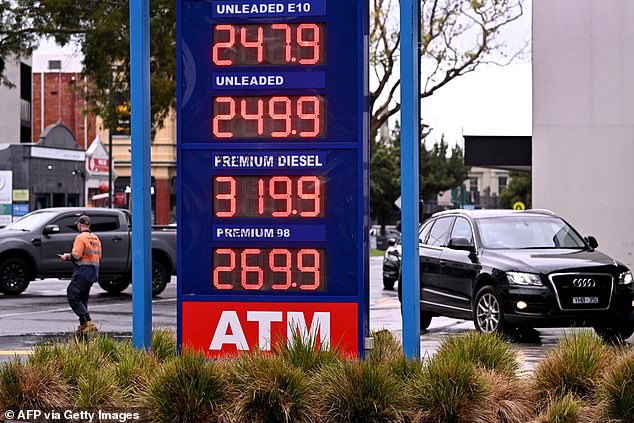
In a recent parliamentary update, Energy Minister Chris Bowen confirmed that 608 petrol stations across Australia were reporting a shortage of at least one type of fuel. This revelation underscores the widespread impact of the ongoing fuel crisis, which has seen prices at the pump surge and anxieties rise among motorists.
Global Factors Contributing to the Shortage
The current fuel scarcity is intricately linked to international events, primarily the recent disruption in the Strait of Hormuz. This critical waterway, through which a substantial portion of the world’s oil supply travels, experienced blockades following geopolitical tensions involving Iran, the United States, and Israel. This disruption has had a ripple effect on global oil markets, impacting countries like Australia that rely heavily on imported refined fuel.
Australia imports approximately 90% of its refined fuel, with a significant portion originating from Asia. However, these Asian suppliers themselves depend on crude oil imports, much of which is sourced from the Middle East. Consequently, any instability in the Middle East directly influences Australia’s fuel availability.
Government Response and Emergency Measures
In response to the growing crisis, Prime Minister Anthony Albanese has convened a national cabinet meeting involving state and territory premiers to address the fuel supply concerns. A further meeting is scheduled for the following week, with indications that emergency measures may be considered to mitigate the impact of the shortages.
Despite these high-level discussions and the concerning number of service stations running low on supply, the government had previously maintained that there was no overarching shortage of fuel in the country. Instead, the focus has been on distribution challenges, which Minister Bowen has acknowledged are exacerbated by panic buying among consumers. He stated that the volume of oil and refined fuel shipments arriving in Australia has remained consistent with pre-conflict levels, but the ability to effectively distribute these supplies to where they are needed has become a significant bottleneck.
Regional Breakdown of Fuel Shortages
Figures released by Minister Bowen’s office, compiled by state and territory authorities, provide a detailed picture of the fuel distribution challenges across the nation:
-
New South Wales (NSW): 314 service stations reported being out of at least one type of fuel. Of these, 178 were specifically out of diesel, and 48 had completely run dry of all fuel types.
-
Victoria: 72 service stations were reported to be out of diesel, while 45 experienced shortages of unleaded petrol.
-
Queensland: 55 service stations were without diesel, and 33 reported no unleaded petrol available.
-
South Australia: Nine service stations were out of diesel, 10 were out of unleaded, and a further 43 stations reported not having one or more grades of fuel in stock.
-
Western Australia (WA): In this fuel-dependent state, 40 service stations were without diesel, and 14 reported no unleaded petrol.
-
Tasmania: Five service stations were out of diesel, and nine reported a lack of a particular grade of fuel.
-
Australian Capital Territory (ACT): Two service stations were without diesel, one was without unleaded, and three reported not having one or more fuel types available.
-
Northern Territory (NT): The NT was the sole state or territory that did not report any fuel outages.
Exploring Potential Solutions
In an effort to alleviate pressure on fuel supply chains, Minister Bowen has indicated that the government is actively considering various options, including an increase in the proportion of ethanol blended into fuel. While not yet ready for formal announcement, he acknowledged that such measures, along with others, could potentially play a role in managing reserves and mitigating shortages. Fuels like E10, which contain approximately 10% ethanol, are already available in Australia, and the nation’s motorists are aware of international examples where higher ethanol blends (E15 or E25) are utilized.
Addressing Shipping Disruptions
Further compounding the supply issues, Minister Bowen confirmed that six oil tankers had their voyages cancelled or delayed due to the Middle East conflict. However, he reassured the public that all six disrupted voyages have been successfully replaced, with an additional three vessels en route to Australia.
While discussions around potential rationing measures, such as limiting individual fuel purchases to a specific monetary amount (like the $40 proposal from a 2019 policy document), have surfaced, the government has thus far ruled out such plans. The focus remains on ensuring adequate supply and efficient distribution to meet the nation’s fuel demands.
The upcoming national cabinet meeting will be a crucial forum for leaders to receive briefings from Australia’s newly appointed fuel chief and to strategize on further actions to navigate this challenging period.