Hong Kong Property Market Navigates Uncertainties Amid Shifting Interest Rate Outlook
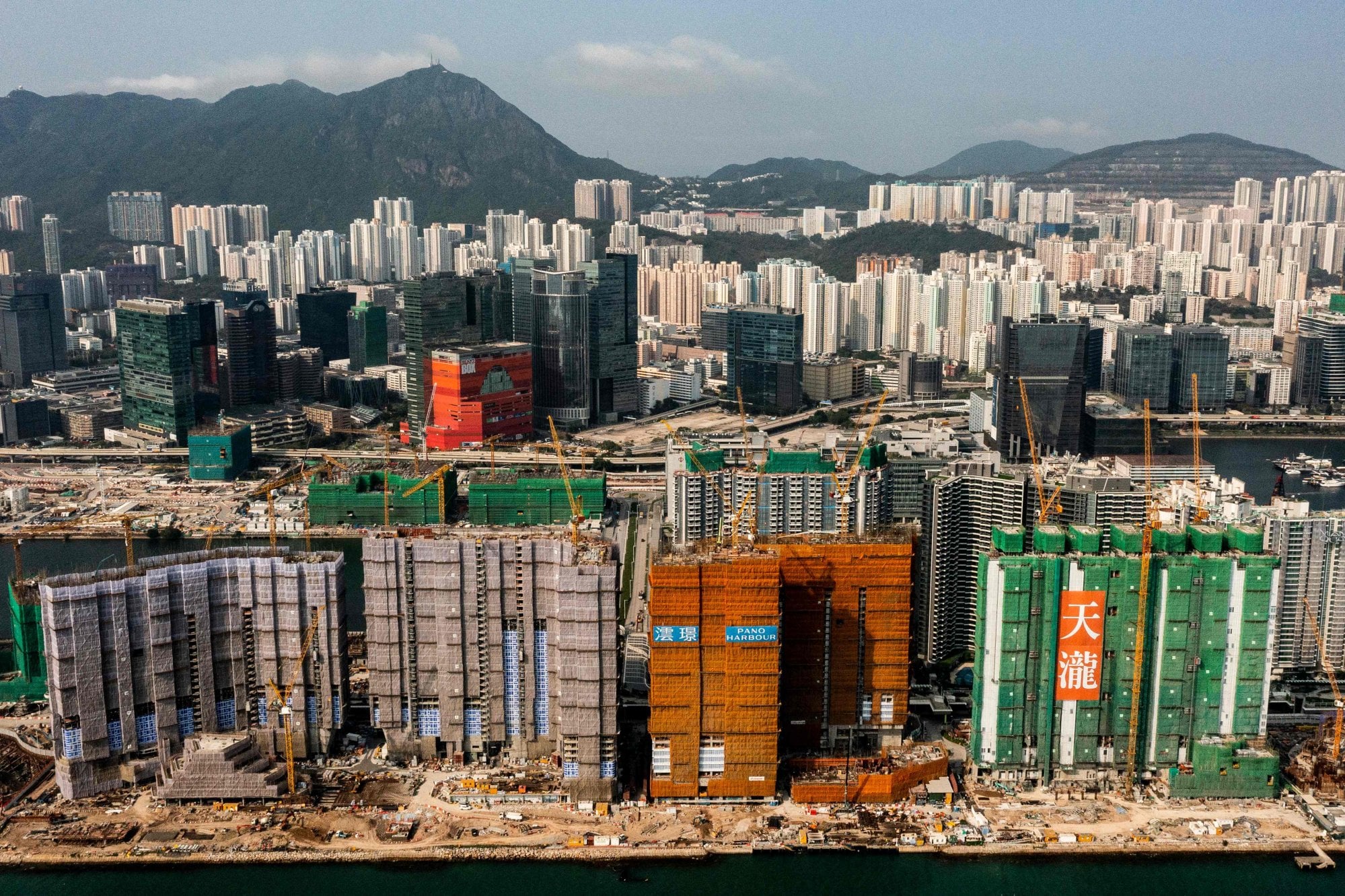
Hong Kong’s property sector is facing a period of cautious optimism, with potential homebuyers adopting a wait-and-see approach as geopolitical tensions and evolving interest rate policies cast a shadow over the market’s recovery. While analysts suggest the impact might be limited, the sentiment among prospective buyers could temper the rebound after years of declining prices.
For individuals like Katie Chan, a 37-year-old accountant, the prospect of buying a home is intertwined with the trajectory of interest rates. Chan had been hoping for a mortgage rate where the one-month Hong Kong interbank offered rate (Hibor) dipped below 1.95 per cent. However, this year, the rate has only seen a slight decrease to 2.02 per cent, a key benchmark for local mortgages and corporate borrowing. This has led Chan to consider delaying her purchase until next year, anticipating potentially more favourable rates.
Interest Rate Dynamics and the US Federal Reserve
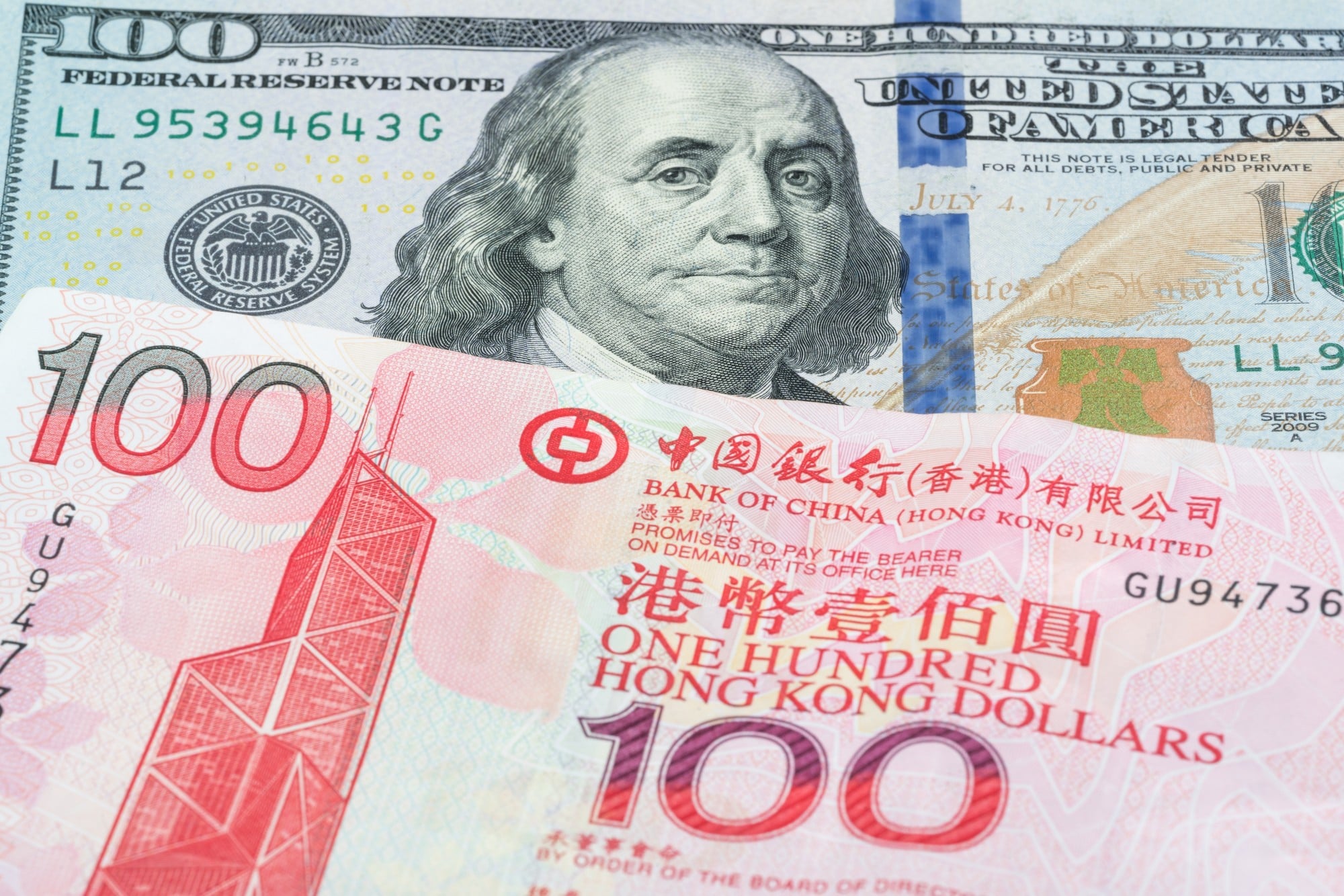
The current market sentiment is largely influenced by the US Federal Reserve’s recent decision to maintain its target rate between 3.5 per cent and 3.75 per cent. This pause, following the Federal Open Market Committee’s (FOMC) second meeting of the year, has prompted a warning from the Hong Kong Monetary Authority (HKMA). The HKMA advised the public to carefully manage interest rate risks when making property purchase, investment, or borrowing decisions, highlighting the uncertain direction of US monetary policy. Hong Kong’s monetary policy operates in tandem with the US to maintain the local currency’s peg to the US dollar, making it sensitive to Federal Reserve actions.
This pause in anticipated interest rate cuts, coupled with the possibility of monetary policy tightening to combat inflation driven by rising oil prices, arrives at a critical juncture for Hong Kong’s residential property market. The sector had begun to show signs of optimism after three years of subdued prices.
Equity analyst Kathy Chan from Morningstar noted that the Fed’s decision was largely within market expectations. However, the market sentiment has shifted, with expectations now leaning towards a single rate cut this year, down from an earlier forecast of two. She also acknowledged the low, but non-zero, probability of a rate hike.
Potential Impact on the Property Market
While a slower reduction in interest rates might have a “limited impact” on Hong Kong’s property market recovery, according to Chan, other factors are at play. Her base case scenario does not account for a prolonged geopolitical conflict, and she anticipates concerns about potential rate hikes to subside as tensions ease.
- Residential Buying Sentiment: Buying sentiment in the residential segment may soften due to the reduced outlook for rate cuts.
- Rental Demand: Robust rental demand continues to provide support for the sector.
- Yield Gap: A widening gap where rental yields rise more significantly above mortgage rates is expected to underpin demand from both end-users and investors.
However, segments driven by investment are considered more vulnerable to a prolonged pause in rate cuts. Cathie Chung, senior director of research at JLL in Hong Kong, explained that “financing costs and yield expectations play a larger role” in these investment-driven areas.
Developer Earnings and Market Resilience
The earnings of Hong Kong developers, including prominent names like New World Development and Henderson Land Development, are particularly sensitive to interest rate movements, according to Karl Chan, head of Hong Kong property research at JPMorgan Chase. The investment bank forecasts a rate pause over the next four quarters, rather than a hike. Chan believes the sector can withstand a rate pause, as homebuyers are still benefiting from a “mildly positive carry.”
Furthermore, Chan pointed out that an interest rate hike would not automatically trigger a decline in share prices or home prices. Historical data from periods of tighter monetary policy, such as 2004-2006 and 2016-2018, show that Hong Kong home prices increased by 13 per cent and 20 per cent respectively, coinciding with gains in the stock market.
“Theoretically, a rate hike is negative for the sector,” Chan stated. “However, rate movements alone do not totally dictate both share price and home price performances. Rates aside, other sector fundamentals remain solid and we stay positive.”
This optimistic outlook is echoed by Ricacorp Properties, a major property agency in Hong Kong. Derek Chan, Ricacorp’s head of research, views interest rates as just “one of several factors” influencing the market. He highlights several positive indicators for Hong Kong’s property market:
- Improving Economy: The local economy is showing signs of improvement.
- Decreasing Unemployment: The unemployment rate has seen a slight reduction.
- Robust Transaction Volumes: Both primary and secondary market transaction volumes remain strong, indicating healthy underlying demand for homes.
Derek Chan also emphasized Hong Kong’s perceived stability and safety amidst global turmoil, particularly the ongoing conflict in Iran. He noted that the city is seen as a secure hub across political, economic, and social dimensions, making it an attractive destination for global capital and investors.
Given these factors, the market generally anticipates that the overall long-term trend of interest rate cuts remains intact. Consequently, the impact on Hong Kong’s property market is expected to be contained.