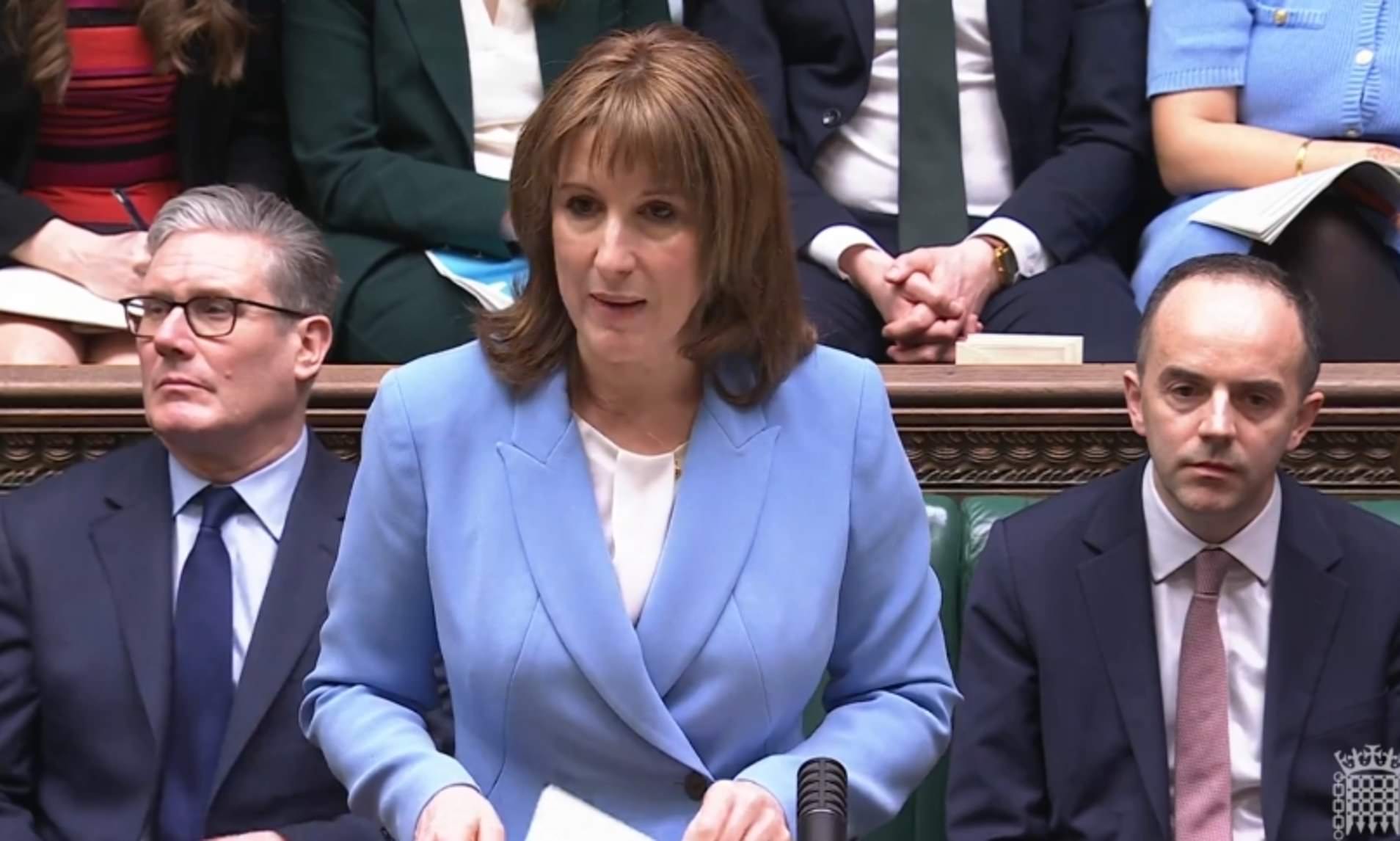
As the dust settles following Chancellor Rachel Reeves’ Spring Statement, a crucial question hangs in the air for Australians: Are you financially better off under the current government’s tenure since its inception in 2024? This is your chance to have your say in the Morning Mail’s dedicated poll.
Despite a prevailing sense of unease surrounding the nation’s economic outlook and business prospects, the Chancellor has stepped forward, asserting that a clear ‘plan’ is in motion. However, official economic indicators have painted a less optimistic picture, with recent figures suggesting that the average Briton is, in fact, experiencing a decline in their financial standing. Gross Domestic Product (GDP) per head, a key measure of individual economic well-being, has shown a downward trend for the six months leading up to the end of last year.
Yet, Ms Reeves has countered these concerns by highlighting the projected impact of falling immigration rates. She has confidently stated that this demographic shift is anticipated to boost the GDP per head metric by a significant 5.6 per cent over the course of the current parliamentary term. This projection suggests a potential turnaround in personal economic fortunes, driven by a recalibration of national economic output against a reduced population.
Gauging Public Sentiment: A Crucial Economic Barometer
The stark contrast between the official economic data and the Chancellor’s optimistic pronouncements has naturally sparked debate and a desire to understand the lived experiences of everyday Australians. The Morning Mail poll aims to capture this sentiment directly, providing a valuable snapshot of how the public perceives their financial situation. Are you feeling the pinch of a declining economy, or do you share the Chancellor’s apparent confidence in the nation’s future economic trajectory?
The results of this poll will offer a vital insight into public perception, acting as a crucial economic barometer. Tomorrow’s Morning Mail newsletter will delve into these findings, providing an in-depth analysis of the sentiment expressed by our readers. This will allow for a more nuanced understanding of the economic realities facing households across the country, beyond the headline figures and official statements.
Economic Indicators and Their Impact
Understanding the economic landscape requires a closer look at the key indicators that shape our financial well-being.
- Gross Domestic Product (GDP) Per Head: This metric is fundamental to assessing the average economic output per person in a country. A falling GDP per head, as observed in the period leading up to the end of last year, directly translates to individuals potentially having less income or wealth available to them on average. This can manifest as reduced spending power, stagnant wage growth, or an increase in the cost of essential goods and services relative to income.
- Immigration Rates and Economic Impact: The Chancellor’s assertion regarding falling immigration rates and their projected positive impact on GDP per head warrants closer examination.
- Potential Benefits: A reduction in the working-age population, if not offset by increased productivity or investment, can lead to a higher GDP per head as the same total economic output is divided among fewer people. This can also, in theory, reduce pressure on public services and infrastructure.
- Potential Drawbacks: However, immigration often contributes significantly to the workforce, filling labour shortages and driving innovation. A sharp decline could lead to skills gaps, reduced economic dynamism, and a shrinking consumer base, potentially hindering long-term growth. The net effect is complex and depends on various factors, including the skills of the incoming and outgoing populations, and the overall state of the economy.
The Chancellor’s ‘Plan’: What Does it Entail?
While the specifics of Ms Reeves’ ‘plan’ remain to be fully elaborated upon in the Spring Statement, the emphasis on demographic shifts as a driver of economic improvement suggests a focus on certain policy areas. These could include:
- Fiscal Policy: Measures aimed at managing government spending and taxation to stimulate or stabilise the economy.
- Monetary Policy: Actions taken by the central bank to influence the money supply and credit conditions, typically through interest rate adjustments.
- Productivity Enhancements: Initiatives designed to boost the efficiency and output of the workforce and businesses. This could involve investment in technology, education, and skills training.
- Trade and Investment: Policies to encourage international trade and attract foreign investment, which can create jobs and drive economic growth.
The coming weeks and months will be critical in observing how these policies are implemented and their tangible effects on the ground. The public’s perception, as captured by polls like the one in the Morning Mail, will be a key indicator of whether the government’s strategy is resonating and delivering the intended outcomes. The economic journey for individuals and the nation as a whole is complex, and the dialogue between official pronouncements and lived experiences is essential for navigating this path effectively.