Is 56 Too Old to Be Fashionable? Survey Sparks Debate on Ageism in Style
A recent survey has ignited a firestorm of discussion, suggesting that individuals over the age of 56 are considered too old to embrace the latest fashion trends. The poll, which surveyed 4,000 individuals, revealed a prevailing sentiment that people in their mid-50s and beyond are out of step with contemporary styles. The findings further indicated that a significant portion of respondents, one in ten, believe that anyone over 40 is “over the hill” and should abandon any attempts to stay current with the times.
These assertions have drawn sharp criticism from advocates of the “Age Without Limits” campaign, who are urging the public to actively challenge and question ageist language, stereotypes, and behaviours whenever they are encountered. The campaign highlights the pervasive nature of ageism, pointing to numerous celebrities, predominantly women, who have faced public scrutiny for their fashion choices as they’ve aged.
Celebrities Under the Ageism Microscope
The spotlight of ageism has often fallen on well-known figures who defy conventional expectations of how older individuals should present themselves.
-
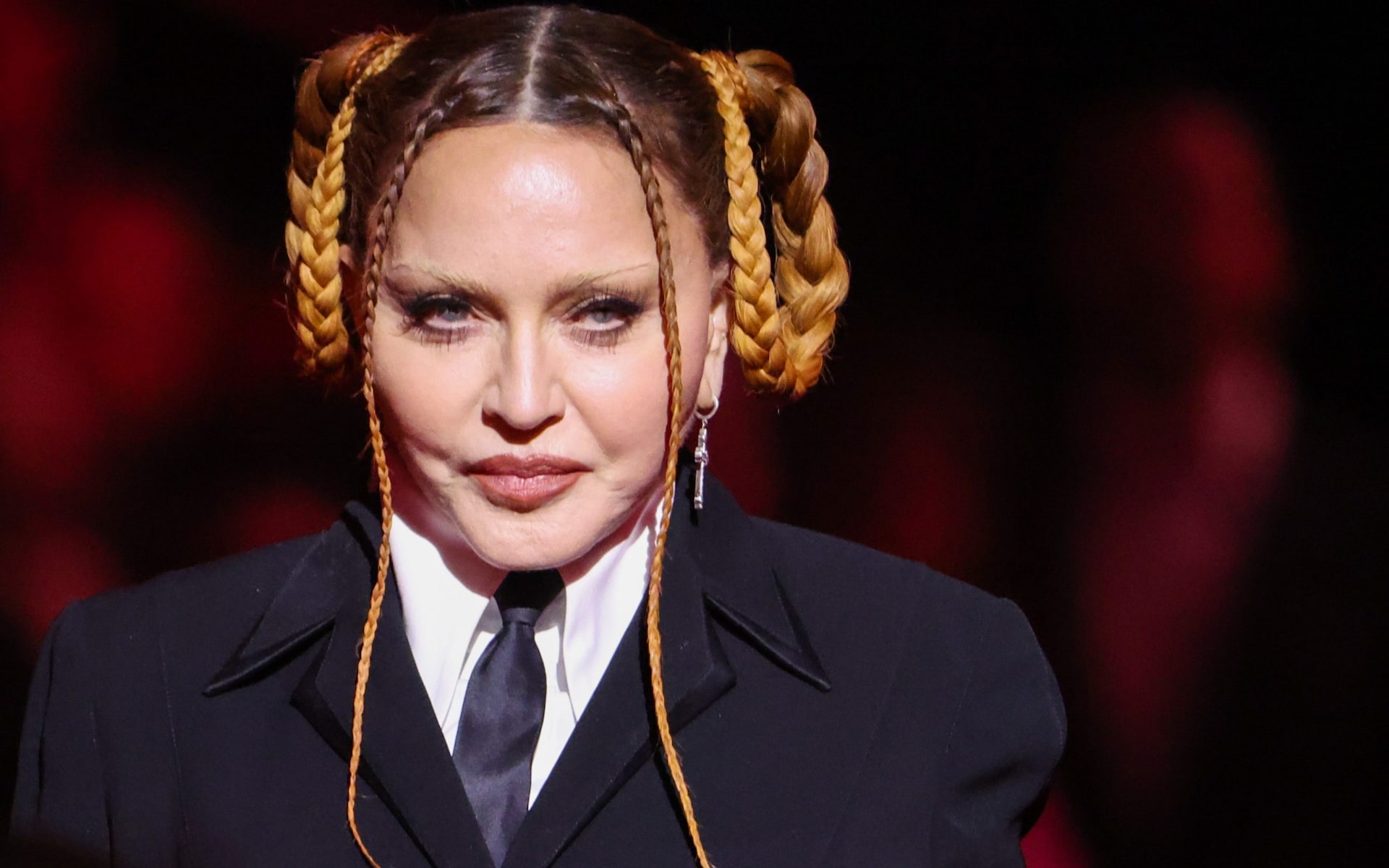
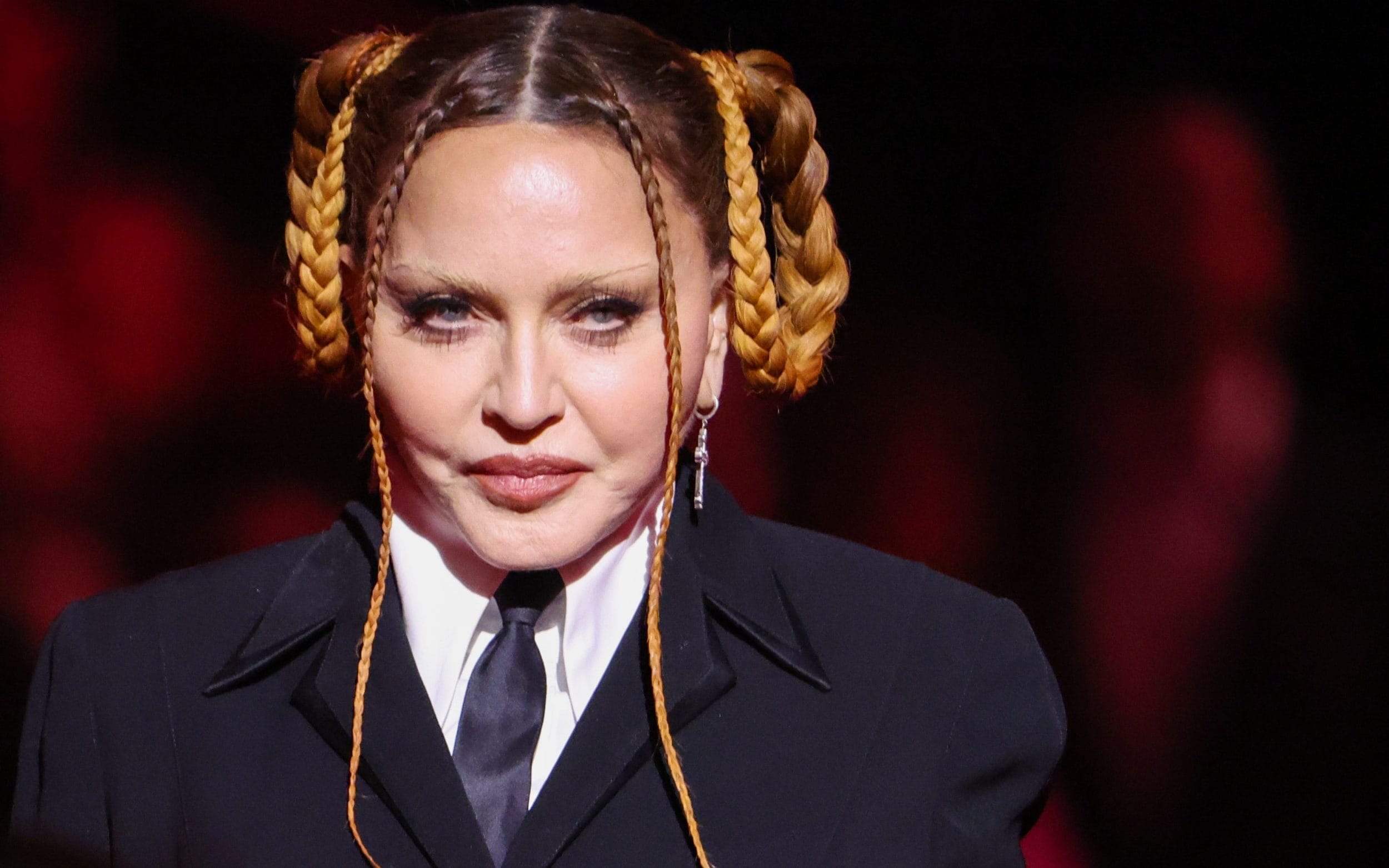
Madonna, at 67, has frequently been a target of criticism. She publicly addressed this after feeling “caught in the flare of ageism and misogyny” following her appearance at the 2023 Grammy Awards.
-
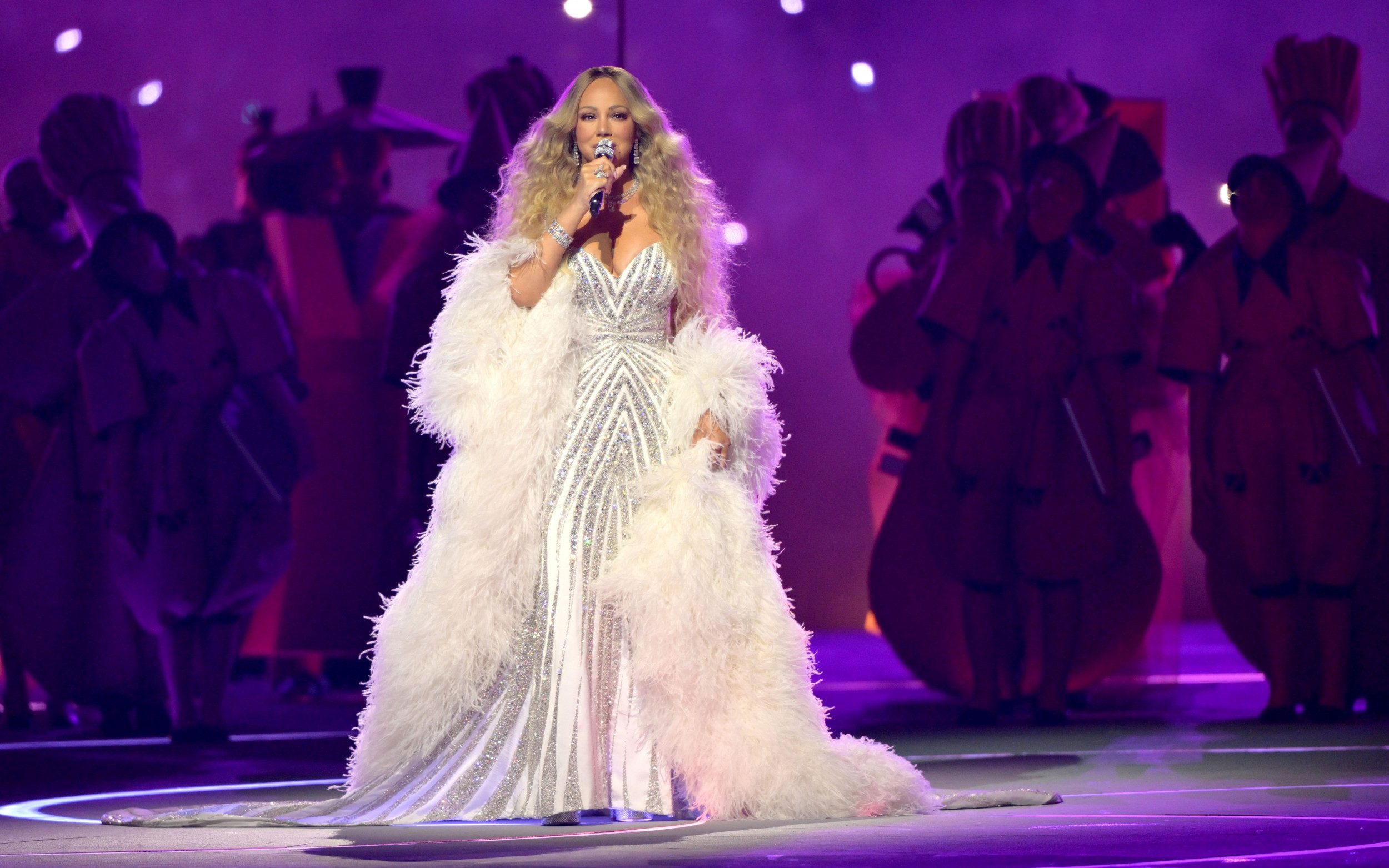
Mariah Carey, aged 56, has spoken about her strategy for combating the perception of ageing. She revealed that she actively tries to ignore the passage of time as she gets older, aiming to prevent herself from feeling the effects of ageing.
-
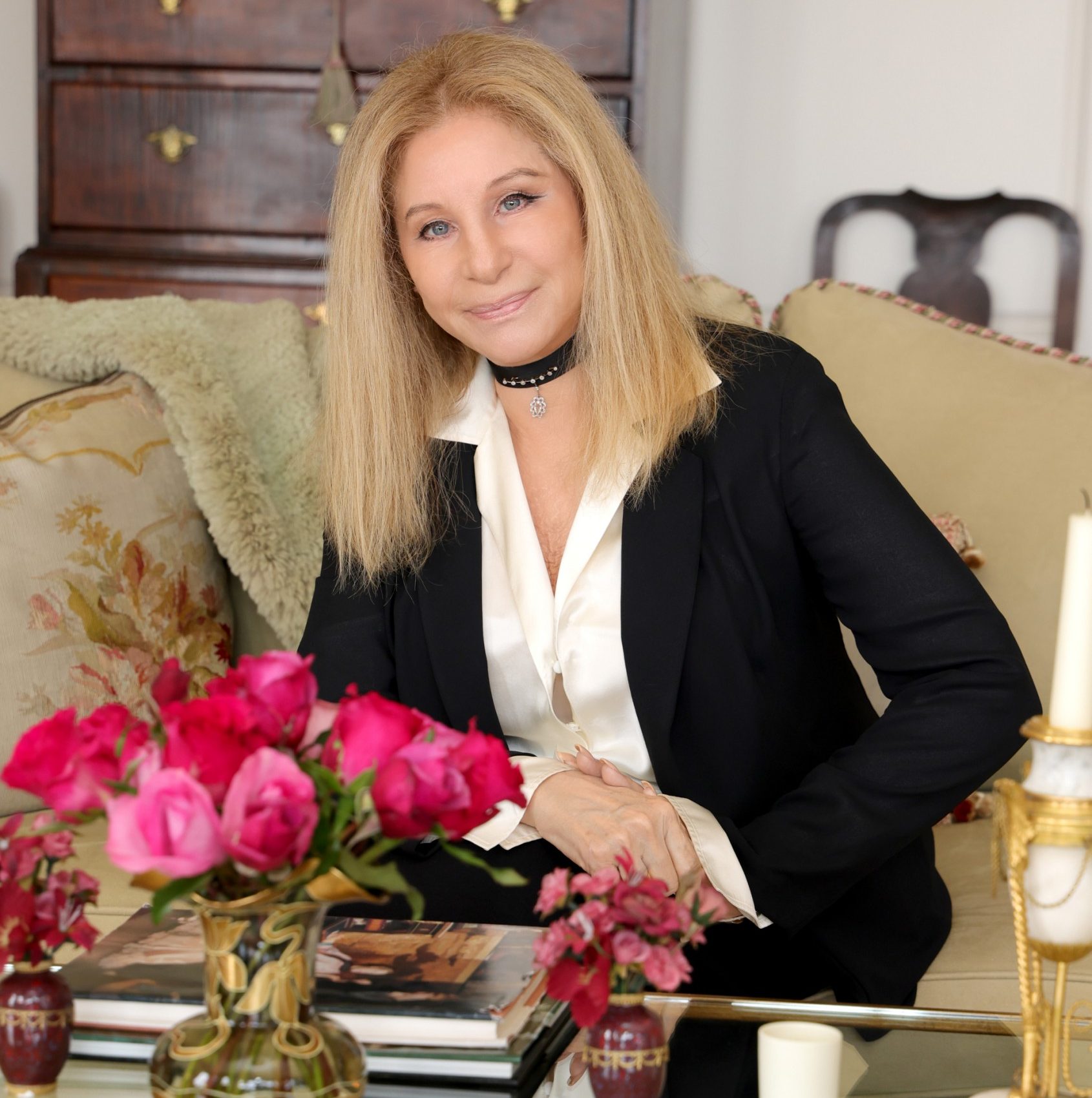
Barbra Streisand, at 83, has also pushed back against critics. In a past statement, she declared that she was “too old to care” about opinions regarding her sartorial choices.
-
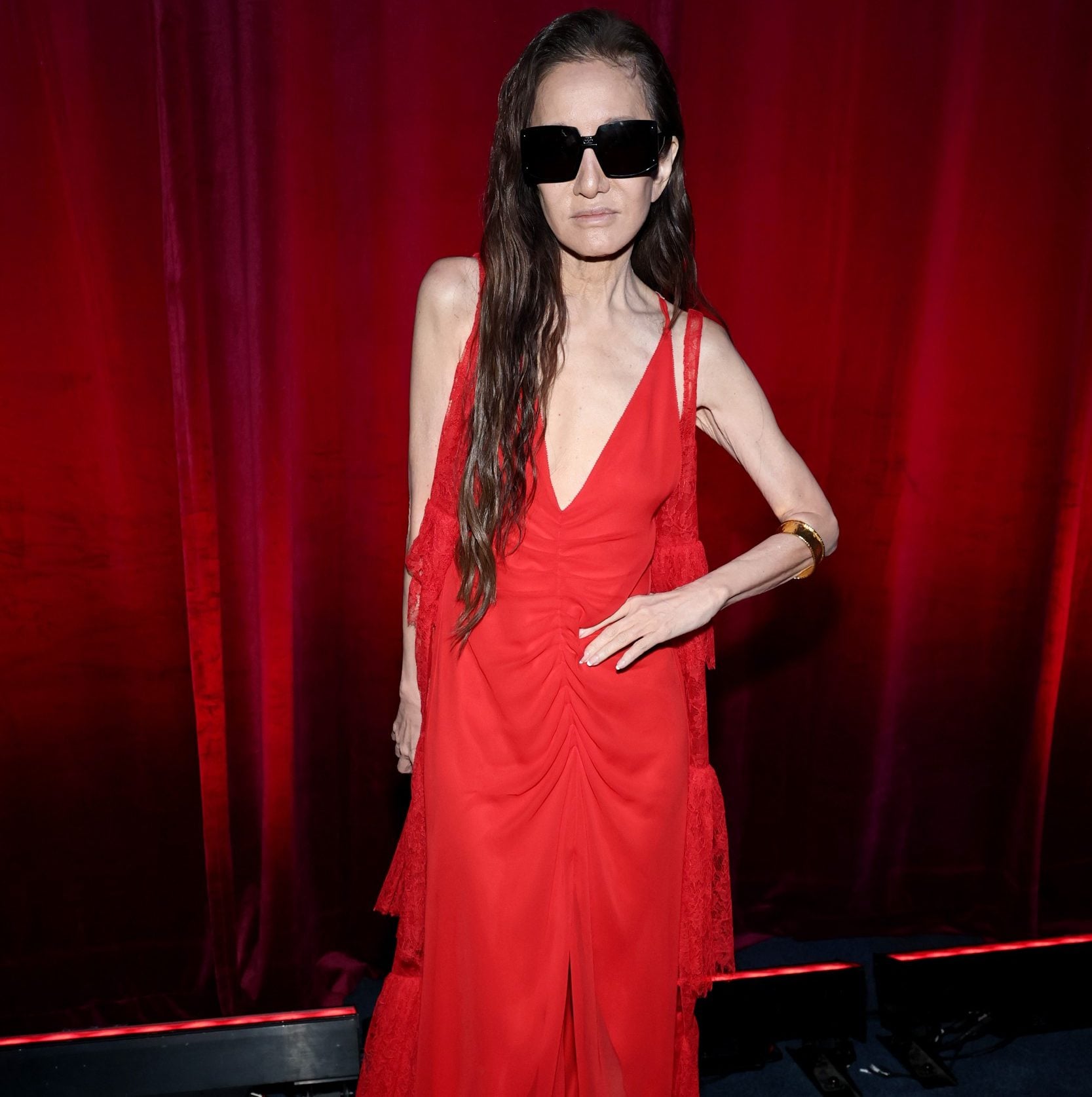
Vera Wang, the renowned fashion designer, went viral after sporting a crop top at an awards ceremony. She vociferously defended her style, labelling ageism as “so old-fashioned” and asserting that her outfits were not “particularly risque.”
Redefining “Ageing Gracefully”
While many women bear the brunt of ageist critiques, the conversation is broadening to include men and to showcase diverse approaches to ageing.
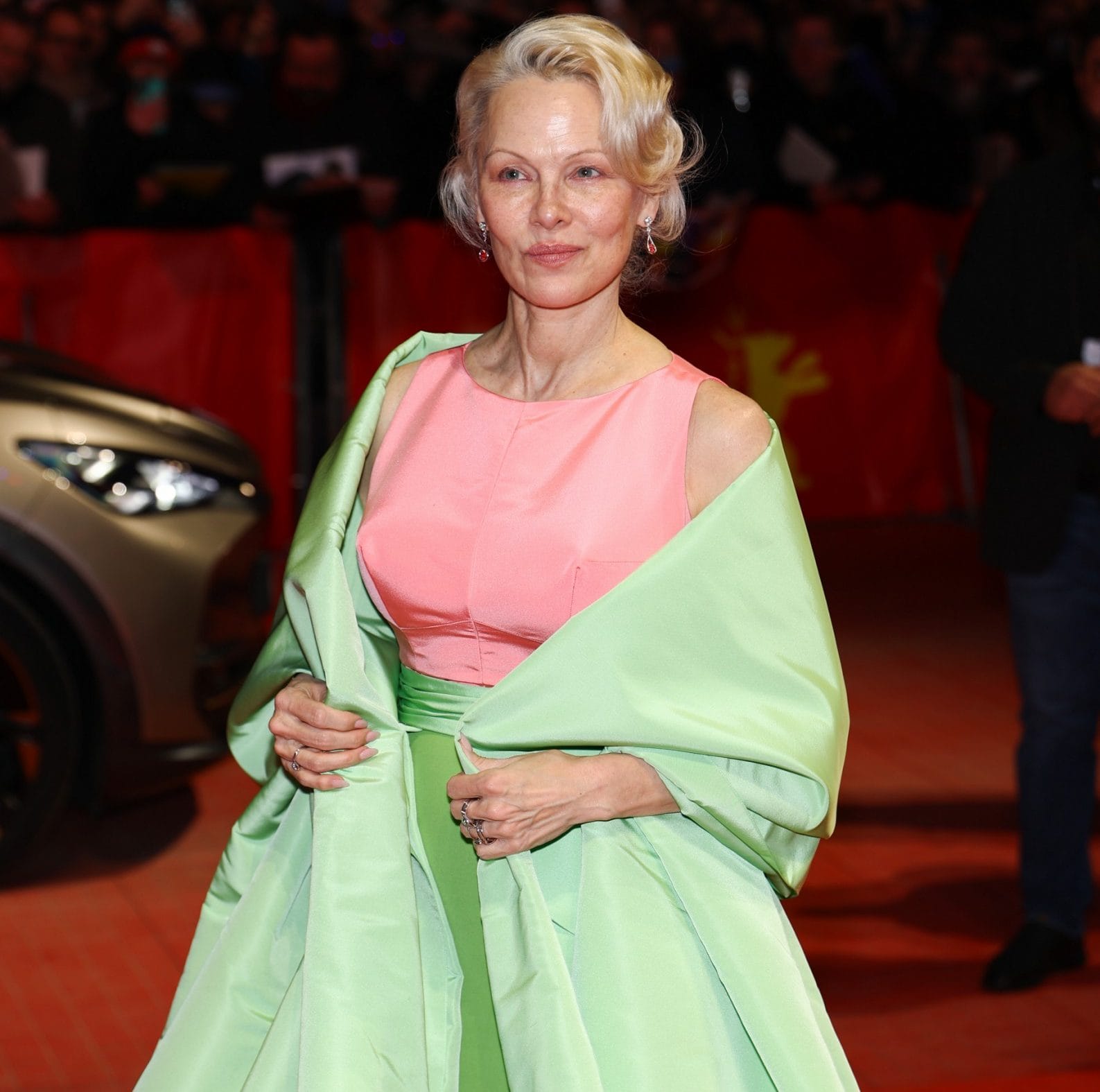
- Pamela Anderson, now 58, has undergone a notable reinvention. Once a symbol of glamour, she has become an advocate for “ageing gracefully” in a new light. Since 2023, she has eschewed heavy makeup and committed to a “pro-ageing” stance, also refusing to use filters or fillers.
Even well-established male celebrities are not immune. Adam Sandler, 59, faced lighthearted mockery from Oscar’s host Conan O’Brien for his casual attire – a hoodie and baggy basketball shorts – when he walked on stage.
Challenging the Notion of Fashionable Limits
Mindy Meleyal, a supporter of the Centre for Ageing Better’s anti-ageism campaign, offers a powerful counter-narrative. She argues that the idea of an upper limit to being stylish, fashionable, or individual is a “failure of imagination.” Meleyal suggests that a significant benefit of growing older is the increased confidence to disregard the opinions of others, viewing “unapologetic indifference” as inherently stylish.
The survey itself revealed a nuanced perspective, with a substantial 32 per cent of respondents agreeing that there is no definitive age at which someone should cease to be fashionable.
A Call to Action Against Ageism
Harriet Bailiss, co-head of the Age Without Limits Campaign, emphasised the injustice of facing negative treatment due to one’s age. “Getting older has its challenges,” Bailiss stated. “Being treated negatively because of your age should never be one of them.” The campaign implores everyone to scrutinise and challenge ageist language, stereotypes, and behaviours encountered in daily life. The core message is to confront the flawed thinking that underpins these prejudices, believing that “every small act of questioning and challenging will contribute to a shift in the culture around ageing and help to create a world where everyone can age without limits.”
Dr. Carole Easton, chief executive at the Centre for Ageing Better, further elaborated on the detrimental effects of imposing age-related limitations. She highlighted that ageism is not only an external prejudice but can also manifest as “internalised ageism,” where individuals in their 50s, 60s, and beyond begin to self-impose limits on what they believe is achievable in later life.
Ageism, Dr. Easton warned, has far-reaching consequences, restricting opportunities in areas such as:
- Employment: Limiting career progression and access to new roles.
- Health: Potentially affecting access to healthcare or the perceived importance of older individuals’ health concerns.
- Relationships: Creating barriers to forming and maintaining social connections.
- Ambition: Stifling personal growth and the pursuit of new goals.
- Confidence: Undermining self-esteem and a sense of value.
Ultimately, Dr. Easton concluded, “Ageism limits work, health, relationships, ambition and confidence – and ultimately whose lives are seen as worth investing in. Ridding society of ageism would have such a transformative impact on so many lives.” The call is clear: it’s time to dismantle the outdated notions of age and embrace a future where everyone can age without limits.