Australia Stunned by Ecuador in Davis Cup Upset
Singapore – Australia’s formidable Davis Cup legacy has been dealt a significant blow after a surprising and comprehensive defeat at the hands of Ecuador in Quito. The 28-time champions were humbled on the clay courts, succumbing to a jubilant home team and their ecstatic supporters in a qualifier that will be remembered for its dramatic upset.
The Australian squad, a second-string selection under the guidance of captain Lleyton Hewitt and notably without their consistent inspiration Alex de Minaur, found the assignment on Ecuador’s challenging clay surface to be an uncomfortable one. The tie was effectively decided when Australia fell to an unassailable 3-0 deficit following a doubles defeat on Sunday, sealing their fate.
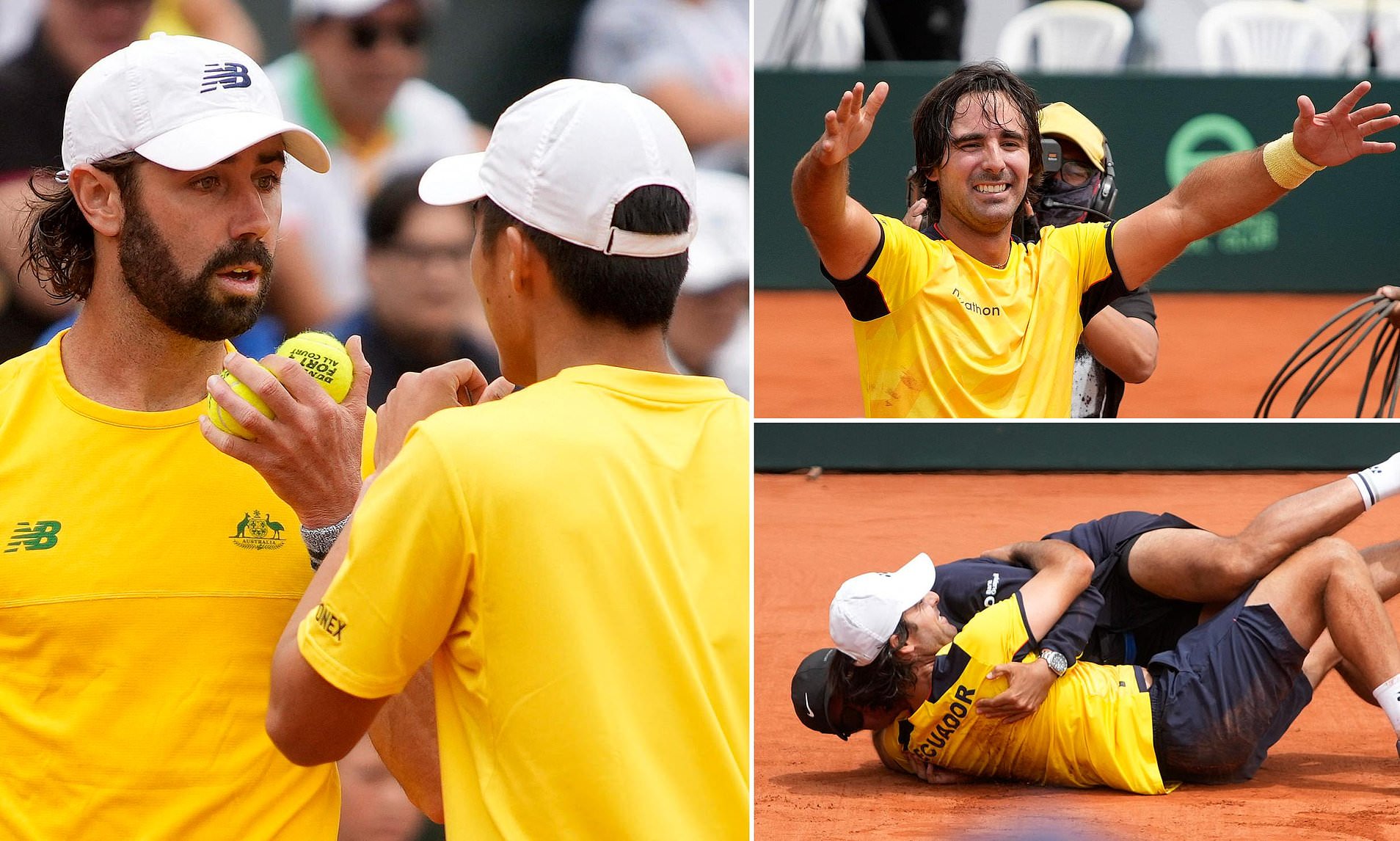
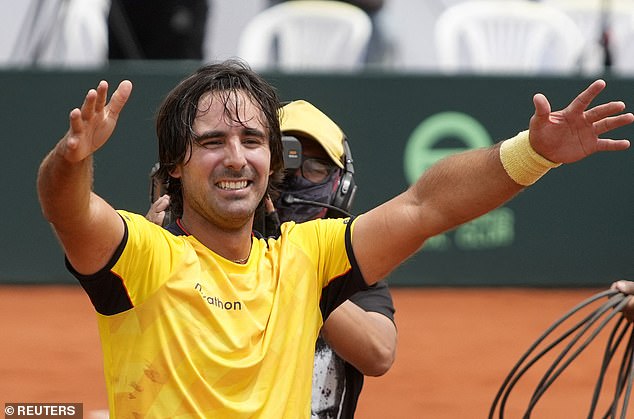
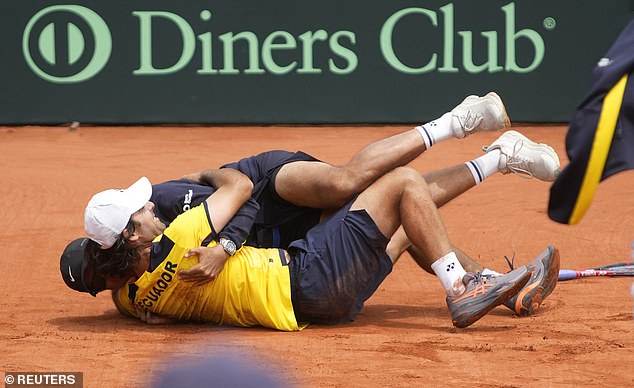
As the Ecuadorian players and fans erupted in a cacophony of delight, veteran duo Gonzalo Escobar and Diego Hidalgo celebrated their momentous victory by rolling around on the clay at the Quito Tennis and Golf Club. For Hewitt, the defeat marked a particularly disappointing chapter in his captaincy, a stark contrast to the team’s recent successes.
This loss represents a significant downturn after Australia had reached the Davis Cup Final for two consecutive seasons, showcasing their pedigree on the world stage. Accustomed to competing amongst the elite, the world’s fourth-ranked nation has now been decisively beaten by a team ranked 37th globally, a nation that does not boast a single singles player within the world’s top 200.
Australia, in contrast, possesses a depth of talent with 13 players ranked higher than Ecuador’s leading singles player, world No. 201 Alvaro Guillen Meza. The Australian team was able to field two singles players within the top 103, alongside a doubles pairing that includes members who have previously been part of Grand Slam-winning duos.
While Hewitt was without key players such as Alex de Minaur, Alexei Popyrin, and Adam Walton, the experienced and quality of the assembled squad was expected to be sufficient for victory. However, the reality on court proved to be a different story.
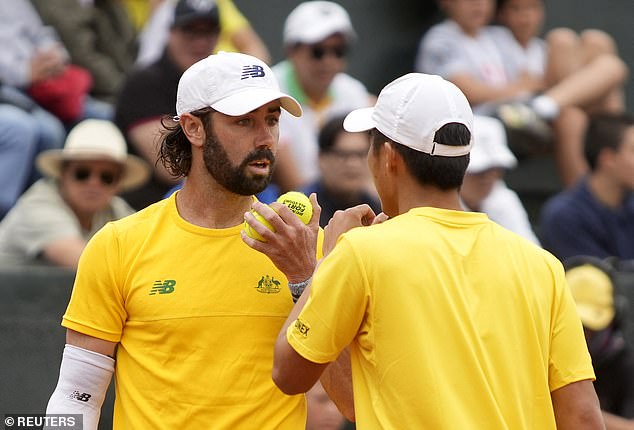
Already trailing 2-0 in the best-of-five rubber tie after the first day’s singles matches, Australia’s hopes were further dashed. World No. 103 Rinky Hijikata and No. 86 James Duckworth both suffered defeats on Saturday. The contest was then brought to a swift conclusion on Sunday as the Australian pairing of Hijikata and Thompson, despite their perceived strength, were defeated in straight sets.
The high-altitude, clay-court venue, amplified by a vociferous home crowd, proved to be an insurmountable challenge for the Australian duo. They were ultimately overcome by the experienced Ecuadorian pair, 37-year-old Escobar and 32-year-old Hidalgo, with a score of 7-6 (7-5) 6-4.
This decisive doubles loss followed Saturday’s significant singles wins for Ecuador. Alvaro Guillen Meza secured a hard-fought victory against Rinky Hijikata, winning 6-4 1-6 6-4. In another notable performance, Andres Andrade, ranked world No. 257, came from a set down to defeat James Duckworth 3-6 6-3 7-5 in a match that was disrupted by rain.
The absence of Alex de Minaur was keenly felt by the Australian team. De Minaur made the difficult decision to withdraw from this Davis Cup tie, marking the first time since his debut in 2018 that he has made himself unavailable. This choice was reportedly made to prioritise his physical well-being following a demanding 2025 season.
This current result stands in stark contrast to Australia’s previous encounter with Ecuador in the Davis Cup back in 2001. On that occasion, Lleyton Hewitt was a pivotal member of a star-studded Australian squad, which also featured the legendary Pat Rafter.
Adding a touch of historical continuity, Raul Viver, the non-playing Ecuadorian captain 25 years ago and still holding the same position, was celebrated by the cheering crowd as a hero of their remarkable victory. The seasoned captain’s enduring presence served as a poignant reminder of the long journey Ecuador has undertaken to achieve this significant triumph.