Nepal’s Electoral Countdown: Preparations, Challenges, and the Road Ahead
With just 24 days remaining until the snap polls scheduled for March 5, Nepal is at a critical juncture. The upcoming election, called in the wake of significant Gen Z protests, has the potential to reshape the nation’s political landscape. While the Election Commission (EC) is immersed in final preparations, the electoral process is not without its controversies and challenges. Reports indicate a widespread disregard for the election code of conduct by political parties and candidates, particularly concerning women’s representation. Furthermore, questions have arisen regarding changes to candidate lists and the feasibility of a multi-phase election due to weather concerns.
The Election Commission is working diligently to ensure a smooth and transparent electoral process. The grounds are being set up, and essential materials are being dispatched from central distribution hubs. District and Provincial Election Officers have already procured a significant portion of the necessary items, which are now being packaged and transported to storage sites closer to polling stations.
Election Material Distribution and Timeline
The distribution of election materials is a complex logistical operation. The EC has outlined a clear timeline for these preparations:
- Central Preparations: Tents are pitched, and 14 types of materials are being dispatched from central centres.
- Local Procurement: District and Provincial Election Officers have acquired an additional 37 types of items, stored locally for onward distribution.
- Ballot Printing: Printing for the Proportional Representation (PR) system is complete. For the first-past-the-post system, over 8 million ballots have been printed, with approximately 11 million more to be produced.
- Dispatch to Districts: All election materials are scheduled to be dispatched to the relevant district election offices by February 19.
- Deployment to Polling Stations: Upon appointment, polling officers will take custody of these materials and commence their journey to designated polling stations. Election staff, security personnel, and representatives will reach their stations early to complete all necessary arrangements.
- Decentralized Management: Tasks have been decentralized to local levels, with chief election officers, election officers, and polling officers now taking charge. These officers, often judges and legal sector officials, are responsible for manpower management and deployment.
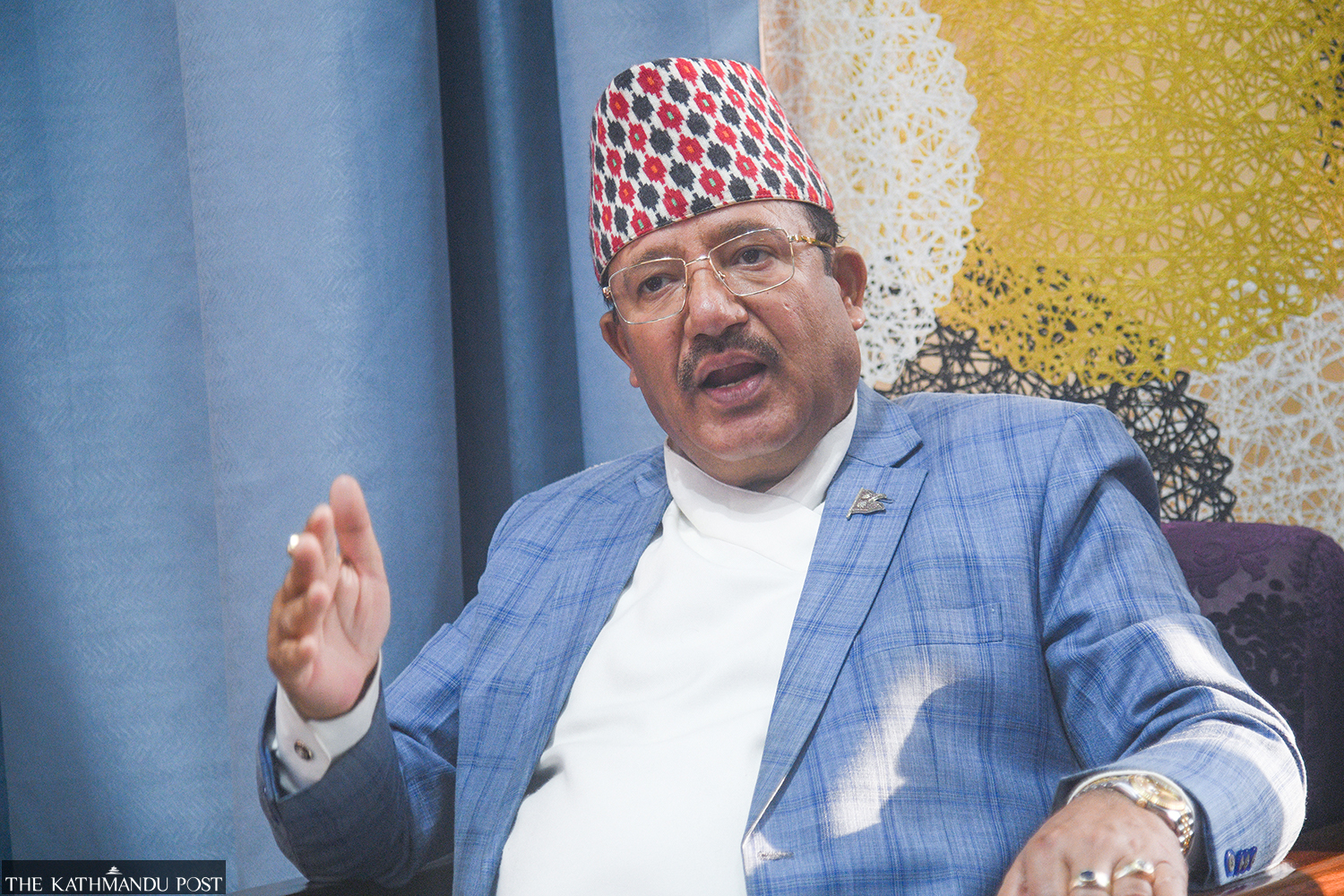
Despite the intensive preparations, the acting chief election commissioner, Ram Prasad Bhandari, emphasizes that true relaxation is only possible once the election is successfully concluded. However, he notes that the workload has significantly reduced as major hurdles have been cleared, and the process is now on track.
Addressing Election Concerns
The EC is actively addressing various concerns that have emerged as the election date approaches.
Phased Election Debate
Regarding the discussion on whether the election will be held in one or two phases, the EC maintains a consistent stance. Commissioner Bhandari stated, “The EC has never believed in phases from the very beginning. I have maintained from the start that the election will be held on the scheduled date of March 5, from 7:00 AM to 5:00 PM.” The commission asserts that all necessary arrangements are in place for a single-day election.
Weather and Election Feasibility
Concerns about weather conditions, particularly in the Himalayan regions, impacting the election have been addressed. The EC consulted with the Department of Hydrology and Meteorology, which, based on 30 years of analysis, predicts no natural disasters, snow, or heavy rain on March 5. The weather is expected to be conducive to the election.
Out-of-Constituency Voting and NOTA
The implementation of out-of-constituency voting and the “None of the Above” (NOTA) option has not been possible due to legal and constitutional constraints. Commissioner Bhandari explained that once an election date is announced, laws and technologies related to the election cannot be amended. The absence of a functioning legislature further complicates any potential amendments required for such provisions. He clarified that adding a NOTA option, for instance, would necessitate a formal constitutional amendment, which is not feasible at this stage.
Upholding the Election Code of Conduct
A significant challenge has been the reported disregard for the election code of conduct by parties and candidates. In response, the EC has declared a “zero tolerance” policy for violations.
- Monitoring Mechanisms: A Central Monitoring Committee, headed by an election commissioner, has been established. This is supported by district, provincial, and municipal-level monitoring committees. Subtle monitoring is also in place at various checkpoints, with additional monitoring officers to be appointed.
- Punitive Measures: The EC has made it clear that proven violations can lead to the cancellation of a candidate’s nomination, even after the election. This stern approach is intended to encourage greater caution among parties and candidates.
Candidate Lists and Representation
The EC has clarified that while parties can correct legal errors or address internal disciplinary actions within their submitted candidate lists, outright changes to the submitted lists are not permitted.
Regarding the directive for 33 percent women’s representation in direct election nominations, the EC acknowledges that this guideline has been largely ignored. Commissioner Bhandari noted that women leaders within parties often face internal resistance, and older leaders hold a specific mindset. While the EC issues directives, it lacks the authority to invalidate nominations if parties fail to comply, emphasizing that the responsibility ultimately lies with the top leadership of political parties.
Ensuring a Peaceful and Fair Election
The responsibility for maintaining peace and security during the election is shared between the EC and the government. The EC has independently categorized areas as high-risk, sensitive, or normal, and security agencies have conducted their own assessments.
The EC has also been instrumental in fostering a peaceful climate through dialogue and stakeholder engagement. Discussions involving the EC, political parties, civil society leaders, and Gen Z representatives have been crucial in clearing uncertainties and building consensus.
The Impact of Gen Z and New Voters
This election is marked by the emergence of a significant alternative force, driven by the spirit of the Gen Z movement. The snap nature of the election, coupled with the addition of nearly 900,000 new voters, has generated considerable enthusiasm. The EC anticipates that this new generation of voters will be vigilant and contribute to a clean, free, and fair election.
The upcoming elections are expected to be the most “informed” to date, with a forecast of increased voter turnout and a decrease in invalid votes. Voters have become more engaged, educating themselves on proper voting procedures.
Social Media and Foreign Assistance
The EC is actively monitoring social media to prevent the misuse of platforms for misinformation and manipulation. Discussions have been held with authorized agencies to control the spread of fake news and bot-driven interactions.
Nepal’s electoral process is also receiving international attention and support. India has provided vehicles, and various governments have offered financial aid. Japan’s prime minister has expressed readiness to support Nepal’s election and governance. The UNDP has also provided crucial equipment for printing voter lists, enabling internal production without external tenders.
Promoting Good Governance
The EC believes that this election can reflect the spirit of the Gen Z movement, leading to good governance through elected representatives. The commission had previously prepared a directive for political parties to conduct self-evaluations and submit reports to the EC, aimed at promoting accountability and public trust. However, this initiative faced resistance from parties who questioned the EC’s authority to audit them. The EC suggests that had parties embraced this self-evaluation, the Gen Z movement might have been averted, and the current situation could have been different.