Escalation of the US-Israel-Iran Conflict
The conflict between the United States, Israel, and Iran, initially intended to conclude with a regime change over a weekend, has now extended into its fifth week. The situation has seen a steady escalation in intensity, with targets expanding beyond military installations to include economic hubs, hospitals, universities, schools, water desalination plants, power stations, and population centers. Iran continues to respond proportionally, maintaining a level of resistance that has caught many by surprise.
Strategic Missteps and Unintended Consequences
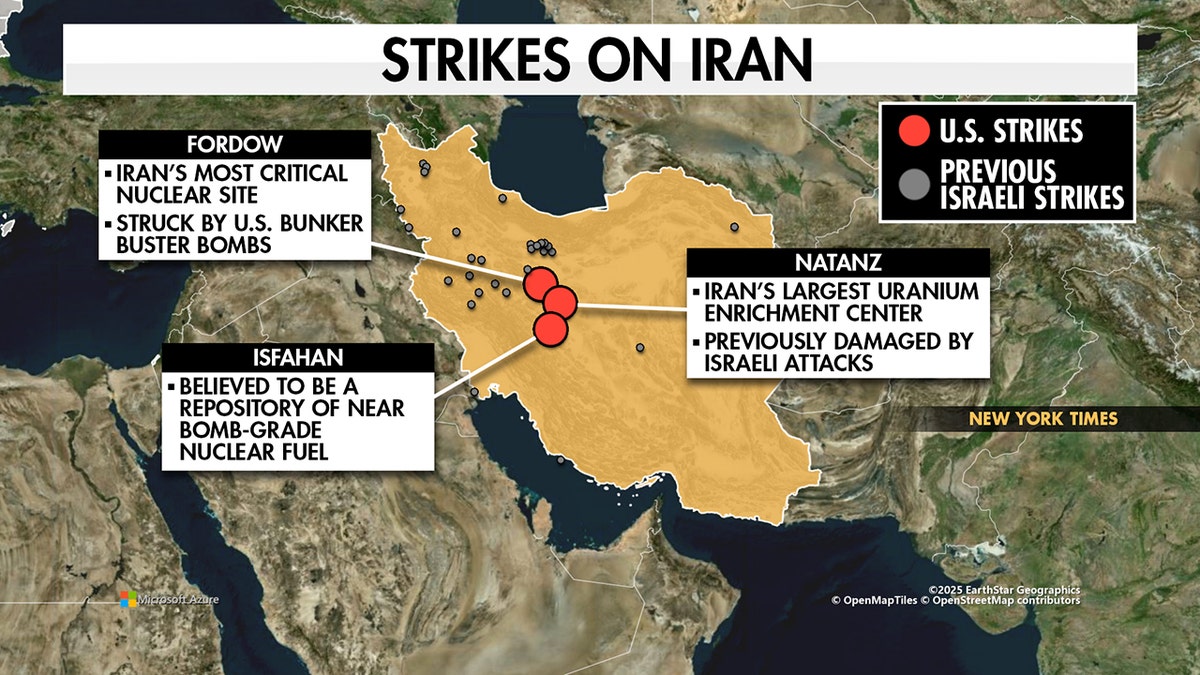
It has become evident that the United States entered this conflict under significant Israeli pressure, without fully understanding the depth of Iran’s preparedness and resilience. The lack of clear objectives and a coherent exit strategy has led to a series of shifting goals. Initially aimed at regime change, the focus has gradually shifted to dismantling Iran’s nuclear capabilities, degrading its missile and military infrastructure, and more recently, targeting the strategic Strait of Hormuz. This evolving approach reflects both confusion and an inability to adapt effectively to the changing dynamics on the ground.
The U.S. did not consult its allies or regional partners before launching the war, which has resulted in a lack of support from key players. Despite overt and covert efforts, neither the European Union nor NATO has joined the conflict. In fact, several EU countries have distanced themselves, even denying the U.S. access to their bases or airspace for attacks on Iran. This lack of international backing highlights serious miscalculations regarding global sentiment, regional reactions, and military strategy, all of which are symptoms of overconfidence and poor planning.
Military Strategy and Leadership Challenges
The U.S. reliance on air power suggests that military planners have failed to learn from past conflicts. Additionally, the president’s focus on market manipulation rather than active management of the war has created internal challenges within the military. The sacking of senior commanders during the conflict underscores deep divisions between the political leadership and the military.
Iran’s Resilience and Strategic Approach
In contrast, Iran is fighting for its survival and dignity. The martyrdom of its Supreme Leader did not weaken the nation but instead unified it, contrary to expectations. The loss of over 60 top leaders did not create a leadership vacuum; instead, it revealed that Iran had anticipated such attacks and had a well-prepared succession plan in place.
Despite being militarily outmatched, Iran has employed older, less precise drones and missiles to exhaust enemy defenses, allowing for more accurate strikes using newer systems. By selectively disrupting the Strait of Hormuz, Iran has not only pressured the U.S. but also caused tension among its European allies. Targeting U.S. military bases in the region has forced Washington to redeploy some of its forces, exposing weaknesses in its commitment to defending its allies.
Regional and Global Implications
The potential halt of Russian oil and gas exports, along with Houthi disruptions in the Bab al-Mandab, could worsen the global energy crisis and increase pressure on the U.S. Given these challenges, the U.S. is in dire need of an exit strategy, even as it maintains an aggressive posture.
Diplomatic Deadlock and International Dynamics
Negotiating a ceasefire is unlikely due to the maximalist positions held by both the U.S. and Iran. The U.S.’s decision to launch attacks while diplomatic talks were ongoing has eroded trust, making it difficult for any mediator to guarantee future commitments. Meanwhile, China and Russia, while supporting Iran covertly, seem content to keep the U.S. under sustained pressure.
Even if a ceasefire is achieved immediately, the war has already caused massive losses and disrupted the global economy. The U.S. has suffered financial and reputational damage, losing its image as a reliable global leader. Iran, despite its losses, has demonstrated remarkable resilience, showing that its population is determined and proud. Gulf states hosting U.S. military bases have also faced economic and reputational setbacks.
Israel’s Gains and Future Outlook
Israel, the architect of the war, has benefited significantly. It will use U.S. funds to rebuild its infrastructure and strengthen its defense. After the war, its Gulf neighbors will likely be weaker and unable to resist future aggression.
Whether the conflict ends soon or drags on, the world must prepare for major shifts in global power structures and the formation of new alliances. The long-term consequences of this war will shape the geopolitical landscape for years to come.