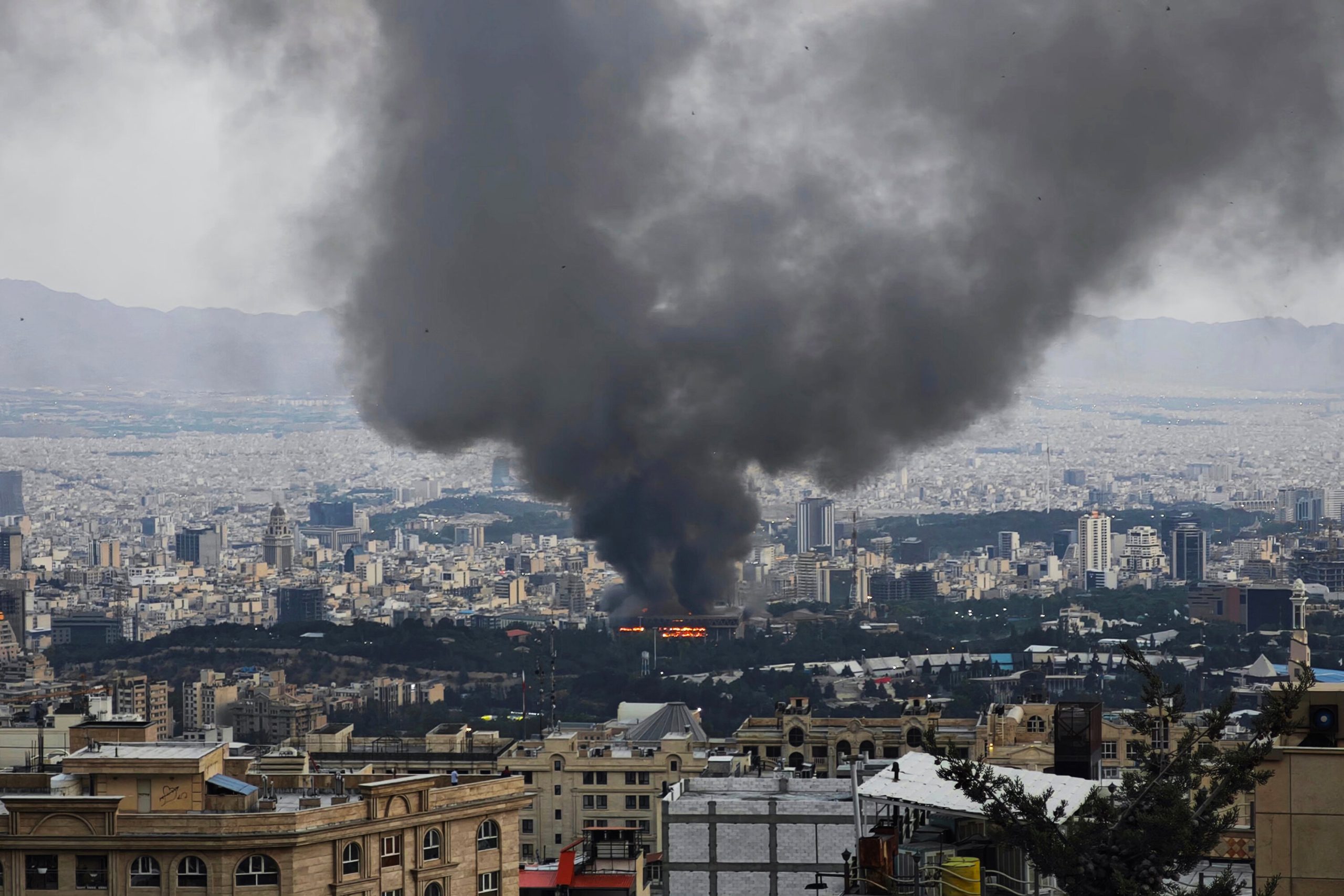
A History of Western Aggression and Its Consequences
The chaos currently unfolding in West Asia is not a new phenomenon. It has occurred twice before in the past quarter-century due to large-scale Western military aggression, and now it is happening for a third time—this time on an outright genocidal scale. Similar to the two Persian Gulf Wars against Iraq, oil fields and cities are burning across the region, but this time the destruction spans entire parts of West Asia, particularly from Iran.
Aggression against Palestine and neighboring Arab communities has been a defining feature of Israel’s existence since its founding in 1948. Today, this aggression has reached levels of genocide in Gaza. The West-encouraged war between Iraq and Iran was a bloody conflict from 1980 to 1988, but the real regional chaos emerged when the US-led Western bloc waged two massive wars against Iraq in 1990–91 and 2003–11. These conflicts were among the largest since the Vietnam War.
Modern warfare has always had a unique characteristic that sets it apart from historical conflicts. In the past, when two entities went to war, both sides suffered damage, with the side that endured more usually being defeated. For example, King Parakramabahu the Great’s costly seaborne invasion of Myanmar weakened his kingdom economically. However, modern European powers introduced mechanized technology, enabling them to wage wars far beyond their borders against societies that lacked similar capabilities.
European colonial powers like Portugal, the Netherlands, Britain, and Spain built advanced ships capable of long-distance travel, carrying more personnel, supplies, and weapons than the target regions could match. This allowed them to exploit distant lands, leading to widespread devastation, including genocide and famine. The British East India Company’s actions in Bengal, which caused devastating famines, remain largely unknown to many Sri Lankans.
Colonial rule also systematically undermined Indian agriculture and industry. Sri Lanka’s own agricultural sector suffered under colonial influence, becoming so degraded that after independence, the country faced rice rationing and had to rebuild its irrigation systems before achieving food self-sufficiency.
For centuries, Western powers have engaged in destructive wars and social upheaval globally, while benefiting economically from these conflicts. Long-distance warfare, conquest, and dominance have defined Western geopolitics for over 500 years. This pattern continues today, with the United States maintaining over 800 military bases in more than 100 countries, including 22 in oil-rich West Asia.
These bases support Western operations in various regions, including the ongoing attacks on Iran. They have also been crucial in sustaining Israel, a European colonial entity accused of crimes against humanity and genocide. The Western bloc, consisting of the world’s richest and most powerful nations, enjoys the luxury of remote warfare, avoiding direct consequences while inflicting devastation elsewhere.
Remote Destruction and Global Impact
America and its allies, including NATO, G7, and EU members, are actively engaging in destructive remote warfare across multiple regions. From Venezuela to eastern Europe, through Arab proxy states to Sudan and Yemen, the West is involved in conflicts that span the globe. The Strait of Hormuz has become unnavigable due to large-scale warfare involving the West and Iran’s defensive actions.
U.S. President Donald Trump, known for his provocative rhetoric, has openly boasted about invading countries, suggesting that such actions are inevitable. His administration has justified early strikes as “surprise” attacks, despite the obvious lack of surprise. This rhetoric is supported by officials like Secretary of State Marco Rubio and Secretary of Defense Pete Hegseth, who reinforce the narrative of Western dominance.
The goals of the current conflict against Iran remain speculative, but they likely include:
- Overthrowing the Islamic Republic and subjugating Iran to Western control, including ending resistance to Israel.
- Destroying Iran’s nuclear capabilities.
- Weakening Iran’s status as a strong, independent regional power.
- Preventing Iran from leading a regional movement against Western dominance, including supporting Israel’s presence in the region.
The U.S. has even publicly stated its intent to reduce Iran to a state of “Palaeolithic life.” While this approach may seem extreme, it highlights the limits of Western military power. Deploying boots on the ground risks more Western lives, as seen in the deaths of 13 American troops amid over 13,000 military strikes in just one month.
As the world watches this unfolding drama, many feel powerless. During this Holy Week, Christians around the world reflect on the sacrificial nature of love in the fight against injustice, even as the global community remains trapped in the cycle of Western aggression and destruction.