The Alarming Rise of Preventable Crashes on Australian Roads
Australia’s roads are becoming increasingly perilous, with new data from a leading insurer highlighting a disturbing surge in common, yet entirely preventable, driving behaviours that are leading to a significant increase in collisions. As the nation’s vehicle fleet grows and the challenges of driving, from technological advancements to the ever-present threat of wildlife, continue to mount, the road toll paints a grim picture. In the year to April 2026, a staggering 1333 Australians tragically lost their lives on our roads, a 3.4 per cent increase compared to the previous year. This escalating number underscores the urgent need to address fundamental driving habits.
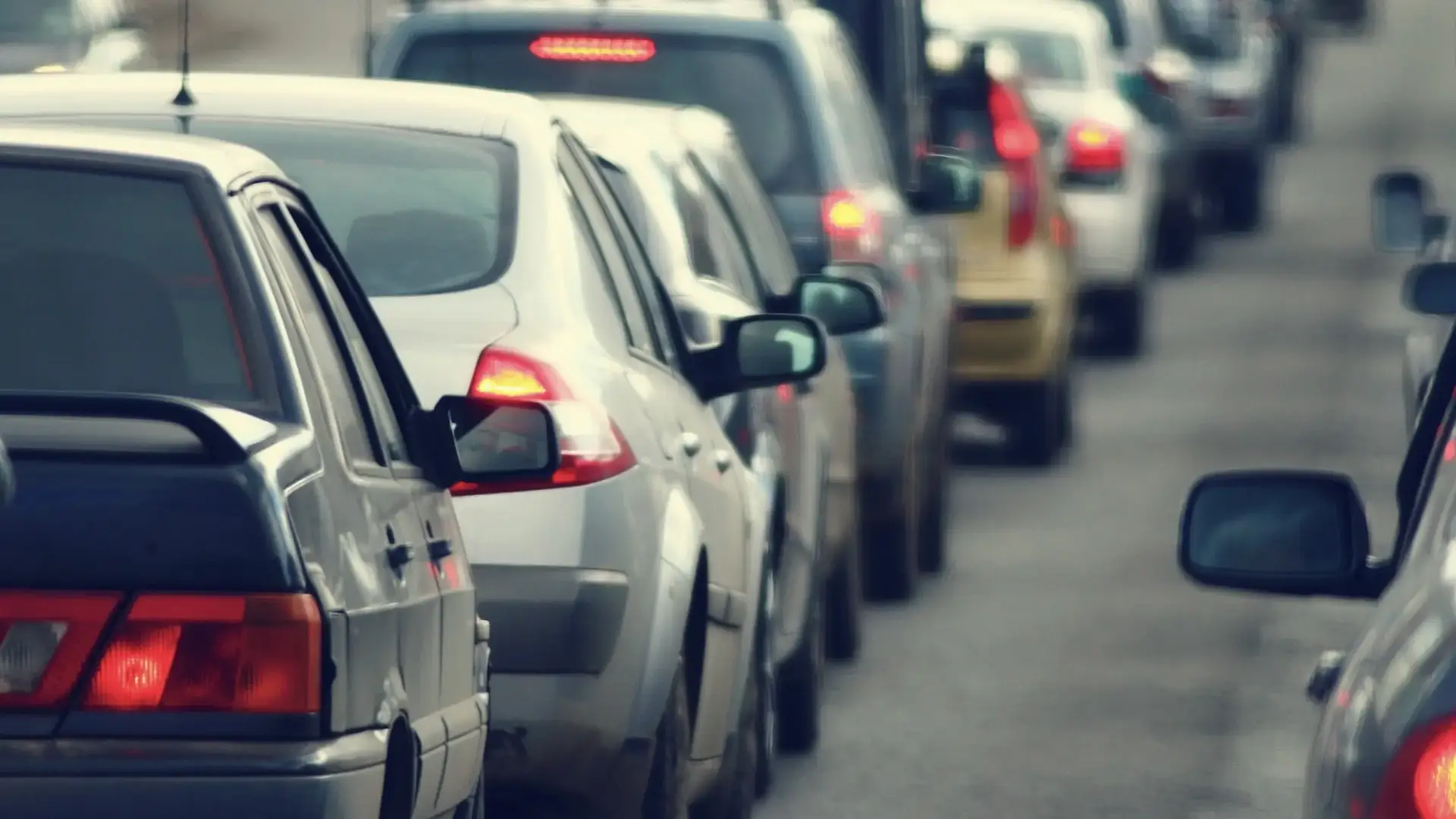
A comprehensive analysis of over 69,000 motor claims by the NRMA has pinpointed rear-end collisions as the most frequent type of car accident. This finding is particularly concerning given the prevalence of tailgating, a driving manoeuvre that puts both the aggressor and the victim at significant risk. The NRMA’s data aligns with concerning trends observed in states like South Australia, where the Royal Automobile Association (RAA), the state’s peak motoring body, has identified tailgating as the most common road offence.
South Australian Police data reveals a stark reality: 3679 tailgating offences were recorded in the state, representing a 25 per cent increase over a nine-year average. The urban sprawl, particularly in metropolitan and eastern suburbs, has seen the highest number of these offences, with 863 recorded. However, dangerous tailgating behaviour is also alarmingly prevalent in the northern (838 offences) and western suburbs (781 offences) of Adelaide.
Beyond Tailgating: Other Common Collision Culprits
While tailgating dominates headlines, it’s not the only common driving act contributing to the rising collision rates. The NRMA’s report also identified other significant factors:
- Failure to Give Way: This fundamental rule of the road, often overlooked or disregarded, is a frequent contributor to crashes. Whether at intersections, roundabouts, or when merging, failing to yield correctly can have immediate and severe consequences.
- Reversing Collisions: Accidents occurring while reversing are another common occurrence. These often happen in driveways, parking lots, or tight urban streets, highlighting a need for greater spatial awareness and caution when manoeuvring in reverse.
- Animal Collisions: The unique challenges posed by Australia’s diverse wildlife are also contributing to an increase in accidents. In 2025 alone, the NRMA received over 15,000 claims related to animal collisions, a significant 21 per cent jump from 2024. Kangaroos were the primary culprits, accounting for a staggering 84 per cent of all animal-related incidents.
Nick Kirkovski, the Executive Manager of Claims at NRMA Insurance, issued a stark warning regarding the heightened risk of animal encounters. “Animal encounters on the road increase through autumn and winter as the days become shorter and wildlife activity peaks at dusk, dawn and night,” he stated. “Wildlife can appear on the road with little warning, which is why it’s important for drivers to stay alert, particularly when travelling long distances in regional areas.”
Kirkovski also provided crucial advice for drivers facing an imminent animal collision. Contrary to instinct, numerous road safety experts have advised drivers not to swerve to avoid wildlife. Sudden swerving can lead to loss of control, rollovers, or collisions with other vehicles or roadside obstacles, potentially causing more severe harm than hitting the animal.
A Proactive Response to a Growing Crisis
In direct response to Australia’s escalating road toll, various state governments are implementing a range of measures designed to enhance road safety and curb dangerous driving behaviours. These initiatives include:
- Deployment of High-Tech Road Cameras: Advanced camera systems are being strategically placed on roads known for frequent infringements and accidents. These cameras can monitor a range of offences, from speeding and red-light running to the increasingly problematic tailgating.
- Increased Police Road Safety Blitzes: Law enforcement agencies are conducting more frequent and targeted road safety operations. These blitzes aim to deter risky driving by increasing the visible presence of police and enforcing traffic laws rigorously. The focus is often on high-risk behaviours such as drink-driving, drug-driving, mobile phone use, and aggressive driving tactics like tailgating.
The data unequivocally points to a growing problem of preventable accidents on Australian roads. By understanding the common causes – from aggressive tailgating to a lapse in giving way and the unpredictable nature of wildlife – drivers can adopt safer practices. Coupled with government initiatives, a collective commitment to vigilant and responsible driving is essential to reversing the alarming trend in our nation’s road toll.