Traveler’s 10-Day Airport Stay Highlights Travel Challenges
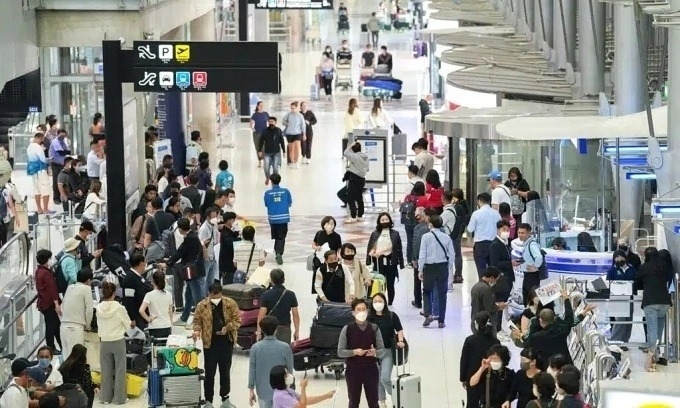
An American traveler recently captured the attention of international audiences after documenting an extended stay of 10 days within the confines of Suvarnabhumi International Airport in Thailand. The traveler cited escalating airfares, potentially influenced by ongoing conflicts in the Middle East, as the primary reason preventing him from continuing his planned journey.
The individual, whose experiences were shared via the Instagram account @rastagraphy, meticulously chronicled his daily life in the airport’s transit area. His posts depicted a routine that included watching movies, engaging in reading, resting, and consuming meals while he awaited new travel arrangements. He reportedly appealed to an airline for assistance in covering the cost of a replacement ticket, stating his intention to remain at the airport until a resolution was reached.
Immigration Denies Entry, Airline Assumes Responsibility
According to reports from the Thailand Immigration Bureau, the traveler arrived in Thailand from Singapore on March 15. However, his entry was ultimately denied because he did not meet the standard requirements for tourists. Authorities clarified that under existing immigration regulations, the responsibility for arranging a passenger’s return or onward travel lies with the airline that transported them.
Facing an immediate inability to purchase a new ticket, the traveler remained in the transit area under the airline’s direct supervision. His departure from Thailand was confirmed on March 21, following the finalization of his travel arrangements. Immigration officials emphasized that their role concluded upon the initial refusal of entry. From that point forward, the airline was tasked with managing all subsequent logistics and providing necessary assistance in accordance with established regulations.
Online Buzz and Public Caution
The traveler’s unusual situation garnered considerable attention on social media platforms. However, officials have advised the public to exercise caution when encountering such online narratives. They suggested that these posts might be strategically designed to elicit sympathy or boost engagement. Therefore, it is crucial for individuals to verify the accuracy of information before drawing conclusions or forming opinions.
This incident echoes a similar case from December of the previous year. At that time, a 23-year-old European tourist claimed she was denied entry into Thailand. Immigration officers at Don Mueang International Airport reportedly determined that she did not possess sufficient funds readily available. Such occurrences underscore the complex and sometimes challenging nature of international travel, particularly in light of evolving global circumstances and stringent entry requirements.
Factors Contributing to Travel Disruptions
Several factors can contribute to travelers finding themselves in prolonged airport stays or facing difficulties with onward journeys:
- Unforeseen Geopolitical Events: Conflicts and political instability in various regions can lead to increased travel costs, flight cancellations, and route diversions. This can significantly impact airfare prices and the availability of flights.
- Airline Operational Issues: Airlines may face operational challenges, including aircraft maintenance, crew shortages, or weather-related disruptions, which can lead to flight delays and cancellations, leaving passengers stranded.
- Entry Requirements and Visa Regulations: Travelers must ensure they meet all entry requirements for their destination country, including valid visas, sufficient funds, and proof of onward travel. Failure to comply can result in denied entry.
- Economic Fluctuations: Global economic conditions and currency exchange rates can influence the cost of travel, making it more challenging for some individuals to afford their planned itineraries.
- Individual Financial Preparedness: Travelers are advised to have contingency plans and sufficient funds to cover unexpected expenses, such as extended stays or alternative travel arrangements, in case of unforeseen circumstances.
The case of the American traveler serves as a reminder of the importance of thorough travel planning, awareness of current global events, and adherence to the regulations of destination countries. While social media can be a powerful tool for sharing experiences, critical evaluation of the information presented is always recommended.