

The Holiday Splurge: Why Aussies Are Overspending Abroad and How to Avoid Buyer’s Remorse
Australian travellers are notorious for their love of a good holiday, but it seems many are returning home with more than just memories – they’re also bringing back a hefty dose of buyer’s remorse. New research indicates that Aussies are collectively blowing an estimated $6.4 billion each year on impulse purchases and regrettable buys while on vacation, often due to a disconnect from their actual spending.
The phenomenon of “holiday money syndrome” sees travellers feeling like the cash they’re spending overseas isn’t quite “real,” leading to a cascade of impulse decisions. This disconnect often results in being stung by unexpected costs, hidden fees, and the allure of overpriced tourist traps that chip away at budgets.
Susan Cue, a seasoned traveller, shared her own cautionary tale. Her biggest travel regret? A queen-sized rug purchased during a six-week sojourn across the US and Mexico. “If I wanted something, I got it,” she admitted, reflecting on a mindset where immediate gratification trumped long-term practicality.

The incident occurred in a bustling Mexican market. Ms. Cue spotted a thick-woven, black and white rug adorned with an Aztec symbol, which she envisioned perfectly complementing her new Melbourne apartment. Despite initial concerns about its size, the perceived affordability swayed her. “By that stage, I got to the point that I thought, ‘If you see something and like it, get it straight away,’” she recalled.
The reality of her purchase quickly set in. Even with the shopkeeper’s best efforts to fold it, the rug became a cumbersome travel companion. Upon returning to her hotel, she managed to stuff it into her suitcase, but it occupied half the available space. This was only on the third day of her six-week trip.

“I carried this thing every time we moved, I carried it in the bottom of my case for the next six weeks feeling that I couldn’t buy anything else because I couldn’t fit it in my case that was already unzipped,” she lamented. “It was just damn difficult.” The situation escalated to the point where Ms. Cue ended up spending hundreds of dollars to mail other items home just to make room for her now-prized, albeit inconvenient, Mexican rug.
Upon finally arriving back in Australia, the rug spent a brief period on her bed before being relegated to storage, its presence all but forgotten.
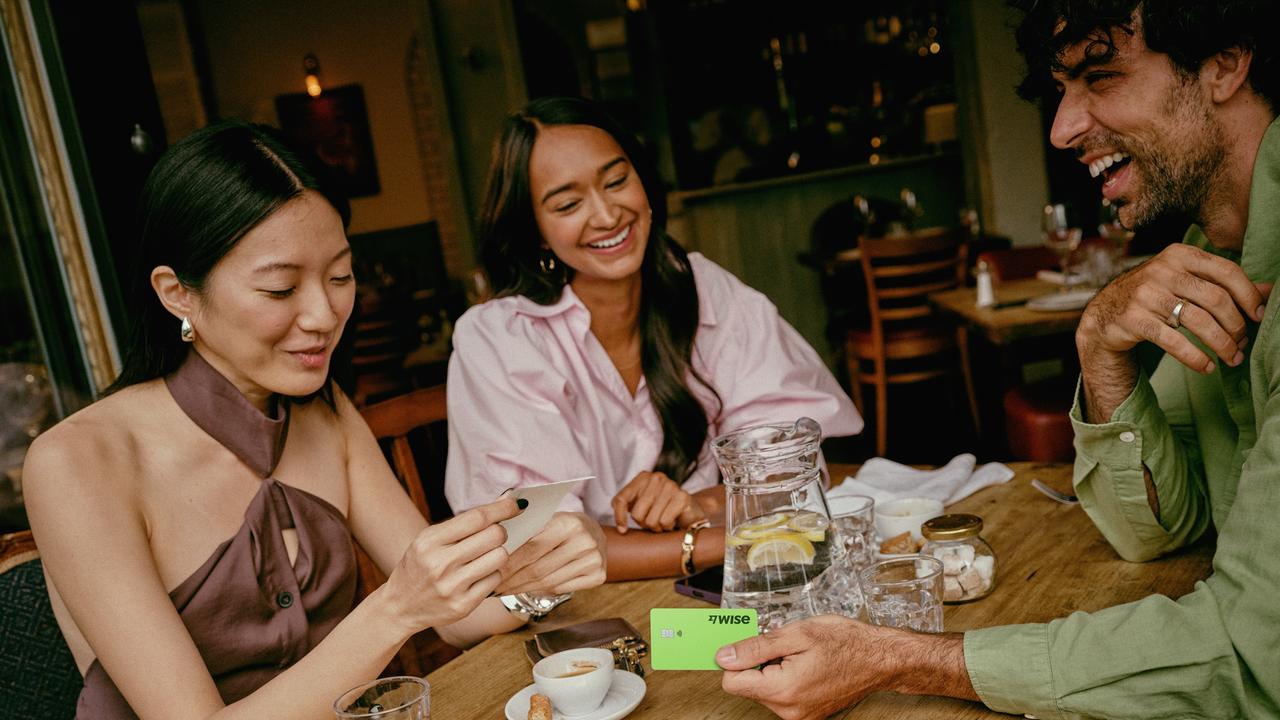
This sentiment of post-holiday regret is far from isolated. New research, conducted by fintech company Wise, surveyed 1500 Australians and revealed that a staggering 60 per cent admitted to having spending regrets while travelling. These regrets span a wide spectrum, from excessive souvenir splurges to overspending on accommodation, dining, and transportation.
Furthermore, nearly three-quarters of holidaymakers reported being blindsided by unexpected travel expenses. These commonly include ATM withdrawal fees, inflated prices at tourist hotspots, foreign transaction charges, and exorbitant taxi fares. While most travellers do make an effort to save for their trips, the allure of the holiday environment often proves too strong. A significant portion – one in two Australians – confessed to spending money as if it weren’t real upon reaching their destination, succumbing to impulse buys and planning to deal with the financial fallout later.
Understanding the “Holiday Money Hangover”
Tristan Dakin, Wise Australia and New Zealand Country Manager, shed light on the psychological aspect of this behaviour. “People likely compared options before they travelled and made sure they were getting the best deal,” he explained. “But once you’ve spent a lot on flights and hotels, it’s easy to tell yourself the rest doesn’t really count.”

The overseas experience, with its unfamiliar currencies, fluctuating exchange rates, and a general sense of adventure, amplifies this tendency. “And this is made harder overseas, thanks to different currencies, unfamiliar prices, unexpected fees, and the urge to get the absolute most from your trip,” Dakin added. “While we should all give ourselves licence to enjoy ourselves, it’s important to avoid a holiday money hangover when you return.”
Strategies for Savvy Spending Abroad
The key to maintaining financial control while on holiday, according to Dakin, lies in understanding exactly where your money is going. To address this very issue, Wise has introduced a new travel app designed to demystify international money matters.
The app aims to assist travellers with practical concerns such as identifying low-fee ATMs, navigating public transport costs, understanding exchange rates, and comparing the financial implications of using cash versus cards.

“By making money as transparent and convenient as possible, with a clear, up-to-date view on costs, we’re helping Aussies enjoy their trips, without looming spending regret,” Dakin concluded. By adopting a more mindful approach to spending and utilising tools that offer clarity on expenses, Australian travellers can ensure their holiday memories are cherished, not overshadowed by financial anxieties.



Leave a Reply