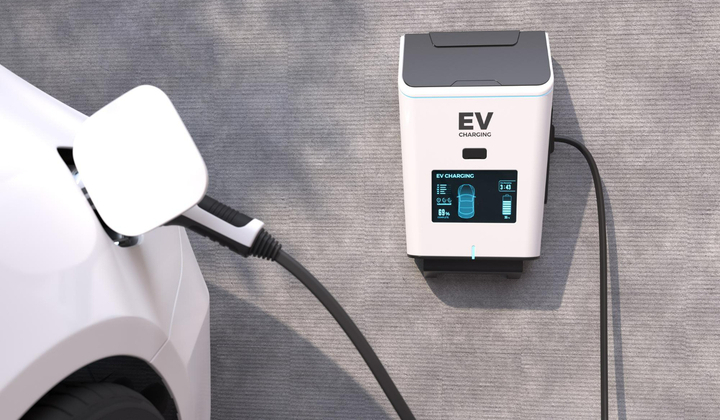
Private Sector Urged to Drive Ghana’s Electric Vehicle Charging Infrastructure
Ghana is embarking on a significant transition towards electric vehicle (EV) transportation, and the government is actively encouraging the private sector to take the lead in developing the nation’s charging infrastructure. A key focus of this initiative is the integration of solar-powered energy systems to fuel these charging stations, aligning with the country’s commitment to sustainable energy and climate obligations.
Mrs. Joyce Caitlyn Ocansey, Programme Coordinator for the Drive Electric Programme at the Energy Commission (EC), emphasized the government’s dedication to a private sector-led approach for EV charging solutions. “We remain dedicated to allowing the private sector to lead the EV’s charging system,” Mrs. Ocansey stated, while underscoring the national priority placed on solar-powered energy. This focus on solar is driven by its inherent cleanliness, its role in promoting a robust sustainable energy sector, and its crucial contribution to Ghana meeting its international climate change commitments.
The push for EVs extends beyond environmental benefits. The sector is poised to generate substantial employment opportunities. The Energy Commission has outlined plans to establish comprehensive training programs for certified wiring professionals, electricians, and installers, ensuring a skilled workforce is available to support the growing EV ecosystem.
Globally, the EV market is experiencing rapid growth. In 2024, approximately 17 million vehicles, representing 20 percent of all vehicles sold worldwide, were electric. While Africa’s current share stands at a modest one percent, Ghana is demonstrating progress in its shift from fossil fuels to renewable energy sources. The increasing establishment of electric battery charging stations across the nation signals a bright future for investment in the EV sector.
The importance of this transition was highlighted during a recent stakeholder awareness and sensitization exercise held at the Centre of Excellence at Sunyani Technical University (STU) in Sunyani. Organized by the Energy Commission, the event provided participants with in-depth information on the Electric Vehicle Charging System and Swap System Regulation 2026.
Professor Evans Zoya Kpamma, the Pro-Vice Chancellor of STU, lauded the sensitization initiative as highly beneficial. He urged the nation to accelerate its efforts in transitioning from fossil fuels to renewable energy. Professor Kpamma further extended an invitation for private sector partnerships at the STU Centre of Excellence, calling for increased investment in Ghana’s renewable energy sector. He reiterated the university’s commitment to supporting the advancement of the nation’s EV sector.
During the exercise, attendees were educated on several key aspects of the emerging EV landscape:
- EV Charging Models: Participants received detailed explanations of the four distinct models for charging electric vehicles. This included understanding the different speeds, connector types, and power outputs associated with each.
- Motorcycle Battery Swap Systems: The session also covered the innovative battery swap systems specifically designed for electric motorcycles. This technology offers a rapid alternative to traditional charging, allowing riders to exchange a depleted battery for a fully charged one in a matter of minutes.
- Regulatory Framework: An overview of the Electric Vehicle Charging System and Swap System Regulation 2026 was provided, outlining the guidelines and standards that will govern the development and operation of charging infrastructure in Ghana.
- Safety Protocols: Emphasis was placed on safety protocols and best practices for the installation and maintenance of EV charging equipment to ensure the well-being of users and the public.
The initiative underscores Ghana’s proactive approach to embracing sustainable transportation, aiming to position the country as a leader in the African EV market. By fostering private sector investment and prioritizing solar energy, Ghana is laying the groundwork for a cleaner, greener, and more economically prosperous future.