Gachon University Pioneers AI-Driven Educational Transformation
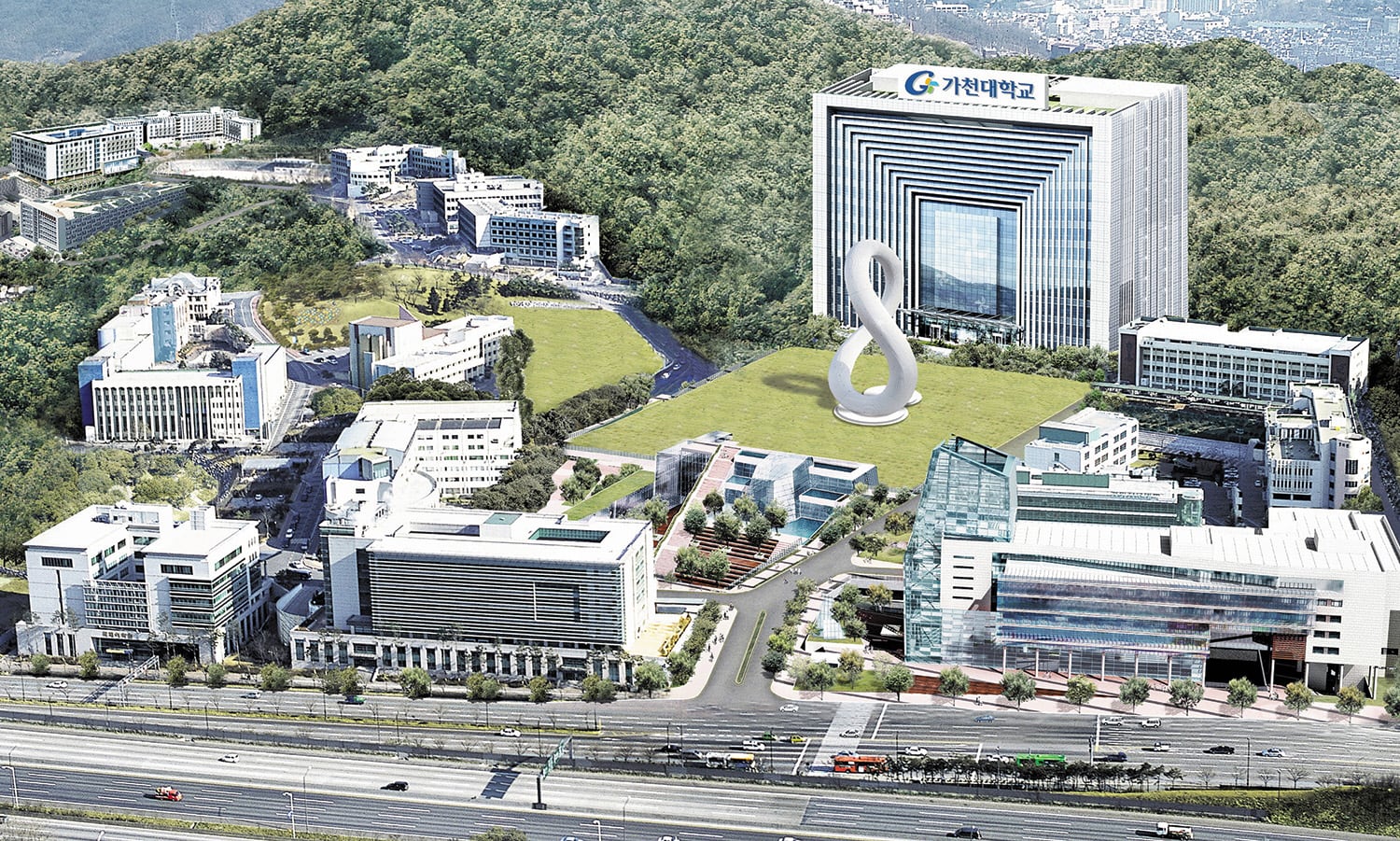
Gachon University, under the leadership of President Lee Gil-yeo, is undertaking a profound overhaul of its educational framework, integrating artificial intelligence (AI) across all facets of learning, from curriculum design and delivery to assessment methodologies. This proactive approach positions the institution as a frontrunner in adapting to the rapidly evolving societal landscape.
The university’s commitment to digital innovation dates back to 2002 with the establishment of South Korea’s first software college, now the College of IT Convergence, which laid the groundwork for its pioneering digital education initiatives. This was further solidified in 2020 when Gachon University became the first in the nation to launch an undergraduate AI department.
The trajectory of AI integration at Gachon University has been systematic and ambitious. Following the introduction of mandatory software education for all students in 2020, the university established the AI College of Humanities in 2024, and is set to launch the AI·Computing Research Institute in 2025. This year marks another significant milestone with its selection for the Ministry of Education’s AI Advanced Industry Talent Training Bootcamp Project, underscoring its leadership in cultivating AI talent. In response to the burgeoning capabilities of generative AI, Gachon University has seamlessly embedded AI into its teaching, assignments, and evaluation processes. The university’s vision extends beyond mere technological instruction, fostering a collaborative learning environment where students actively engage with AI as a partner in their academic pursuits.
Empowering Educators: The Crucial Role of Professors in AI Integration
A cornerstone of Gachon University’s AI educational strategy is the comprehensive upskilling of its faculty. Recognizing that professors are central to student learning, the university is cultivating “AI-specialized professors” across all academic disciplines. During the recent winter break, a rigorous 60-hour “AI Capability Enhancement Program” was conducted for 60 faculty members. This intensive program delved into critical areas such as leveraging generative AI for lecture content creation, implementing data-driven class management techniques, and designing AI-powered evaluation methods. The insights and skills gained from this program have directly informed the restructuring of major courses, with AI now serving as a central theme.
The initiative has garnered widespread participation, encompassing professors from humanities, social sciences, and arts, in addition to engineering. This interdisciplinary approach ensures that AI’s transformative potential is explored and integrated across the entire university curriculum. To incentivize course development and innovation, professors who successfully completed the program were awarded 5 million Korean won each. A Gachon University representative articulated the evolving educational paradigm: “The educational paradigm is shifting from a structure where professors teach and students learn to one where professors and students collaboratively explore using AI.”
AI as the Foundational Infrastructure of University Education
Gachon University firmly believes that AI proficiency is an essential competency for all its students. To this end, it has architected a university-wide AI education system designed to equip every student with fundamental AI skills. Since 2024, a mandatory AI foundational liberal arts course has been implemented for approximately 8,000 students annually, requiring the completion of 4–8 credits. To optimize learning outcomes and cater to the diverse needs of academic departments, the university has developed a three-stage AI foundational curriculum. This curriculum progresses from an introductory level, through basic programming and deep learning concepts, to the practical application of generative AI, thereby maximizing the efficiency and relevance of the courses for each specific field of study.
The adoption of AI-integrated courses has seen a remarkable surge. The university began with 122 AI-integrated courses in 2024 and has projected an increase to 208 courses for 2025. In the first semester of the current year alone, 191 such courses were offered, representing a substantial 133% increase compared to the same period in the previous year. The curriculum is strategically structured in distinct stages: AI introduction, data analysis and programming, and generative AI application. This phased approach ensures that even students from non-technical backgrounds can acquire essential AI skills in a natural and progressive manner.
Seamless AI Integration: From Classroom to Assessment
Gachon University is actively weaving AI into the fabric of student learning experiences, encompassing lectures, assignments, and examinations. The university has integrated AI into its “P-semester system,” a flexible project semester for third-year students, by launching the “AI P-Practical Project.” This initiative aims to bolster AI·AX-based project execution and empower students with practical problem-solving skills utilizing AI in real-world scenarios. Notable examples of student projects include the AI Department’s development of customized shoe production based on sports analysis and the Mechanical Engineering Department’s work on AI-powered autonomous vehicles.

The university is also poised to revolutionize its evaluation methods by incorporating AI. Specifically, within the AI Department and the Computer Engineering Department, there is a strong consideration to shift the focus of assessments from the sheer volume of coding to evaluating how efficiently and accurately students can solve problems using AI tools. This represents a significant departure from traditional assessment paradigms, emphasizing practical application and problem-solving prowess.
Cultivating AI Talent for Immediate Field Application
Gachon University’s commitment to practical AI education has been further validated by its recent selection for the Ministry of Education’s prestigious “AI Advanced Industry Talent Training Bootcamp Project.” This selection will provide the university with approximately 7.1 billion Korean won in funding over a five-year period. The program involves a collaborative effort with around 40 leading companies, including industry giants like Naver Cloud and Doosan Robotics, to develop an innovative educational model. Through hands-on, project-based classes, students will tackle real-world challenges presented by these partner companies, creating invaluable opportunities for internships and future employment. This strategic initiative ensures that Gachon University graduates are not only well-versed in AI theory but are also equipped with the practical skills and industry connections necessary for immediate impact in the advanced AI sector.