Ancient Bacteria Unearthed: A Double-Edged Sword in the Fight Against Antibiotic Resistance
Deep within a Romanian ice cave, a startling discovery has been made: bacteria, frozen for millennia, exhibiting a formidable resistance to a significant number of modern antibiotics. This ancient microbial life, preserved in ice layers dating back 5,000 years, presents both a profound challenge and a potential breakthrough in our ongoing battle against antibiotic resistance.
Ice caves, long recognised as unique ecosystems, harbour a diverse array of microorganisms. As global temperatures rise and ice melts, these dormant microbes could be released, potentially exacerbating the already critical issue of antibiotic resistance by spreading their resistance genes to contemporary bacteria. However, scientists are also looking to these ancient inhabitants for a glimmer of hope. Researchers suggest that these organisms could offer invaluable insights and inspiration for developing novel strategies to combat the escalating threat of antibiotic resistance, a problem largely fuelled by the overuse and misuse of existing drugs.
The specific bacterium under scrutiny, identified as Psychrobacter SC65A.3, was isolated from a 5,000-year-old ice deposit within a Romanian cave. This organism is naturally adapted to frigid environments and possesses the capacity to cause infections in both animals and humans.
Dr. Cristina Purcarea, a senior scientist at the Institute of Biology Bucharest of the Romanian Academy and lead author of the study, explained the dual nature of these ancient bacterial strains. “If melting ice releases these microbes, these genes could spread to modern bacteria, adding to the global challenge of antibiotic resistance,” she stated. “On the other hand, they produce unique enzymes and antimicrobial compounds that could inspire new antibiotics, industrial enzymes, and other biotechnological innovations.”
Unlocking Ancient Secrets: The Research Process
The comprehensive study, published in the journal Frontiers in Microbiology, involved extracting a 25-metre ice core from the cave’s “Great Hall.” This ice core provided a chronological record spanning approximately 13,000 years. Back in the laboratory, researchers meticulously analysed fragments of this ancient ice, isolating and studying various bacterial strains. A key component of the research involved sequencing the genomes of these microbes to identify the specific genes responsible for their survival in extreme cold and, crucially, those that confer antimicrobial resistance and activity.
“Studying microbes such as Psychrobacter SC65A.3 retrieved from millennia-old cave ice deposits reveals how antibiotic resistance evolved naturally in the environment, long before modern antibiotics were ever used,” Dr. Purcarea elaborated. This finding underscores the fact that resistance mechanisms are not solely a modern phenomenon.
A Formidable Foes: Resistance to Modern Drugs
To assess the extent of the bacteria’s resistance, researchers subjected the Psychrobacter SC65A.3 strain to a rigorous testing regime. They challenged it with 28 different antibiotics, belonging to 10 distinct classes, which are commonly employed in clinical practice to treat bacterial infections. The results were striking: the ancient bacteria demonstrated resistance to a significant portion of these modern drugs.
“The 10 antibiotics we found resistance to are widely used in oral and injectable therapies used to treat a range of serious bacterial infections in clinical practice,” Dr. Purcarea added.
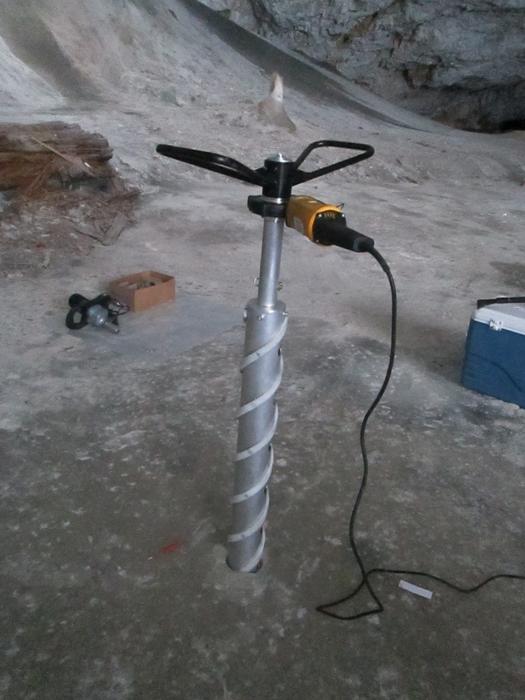
The implications of this resistance are far-reaching. Antibiotics typically used to combat infections such as urinary tract infections (UTIs), lung infections, skin infections, bloodstream infections, and those affecting the reproductive system proved ineffective against this ancient strain. This suggests that the prolonged exposure to natural antimicrobial compounds and the specific environmental pressures of their icy habitat have enabled these bacteria to develop sophisticated DNA sequences that allow them to withstand drug exposure.
A Treasure Trove of Potential: New Discoveries Await
Beyond their resistance, the genome of Psychrobacter SC65A.3 revealed a wealth of genetic information, including nearly 600 genes with previously unknown functions. This presents an exciting frontier for scientific exploration, hinting at untapped sources for discovering novel biological mechanisms. Furthermore, the analysis identified 11 genes with the potential to inhibit or eradicate the growth of other bacteria, fungi, and viruses.
These discoveries are particularly significant given the escalating global concern over antibiotic resistance. By delving into ancient genomes and unearthing their latent potential, scientists are gaining a deeper understanding of the intrinsic role the natural environment has played in the development and dissemination of antibiotic resistance over evolutionary timescales.
“These ancient bacteria are essential for science and medicine,” Dr. Purcarea concluded. “But careful handling and safety measures in the lab are essential to mitigate the risk of uncontrolled spread.” The careful study and responsible application of knowledge derived from these ancient microbes could indeed pave the way for a new generation of medical interventions, offering a much-needed weapon in the fight against a growing global health crisis.