The United Nations Launches First Global AI Panel to Address Inequality and Knowledge Gaps
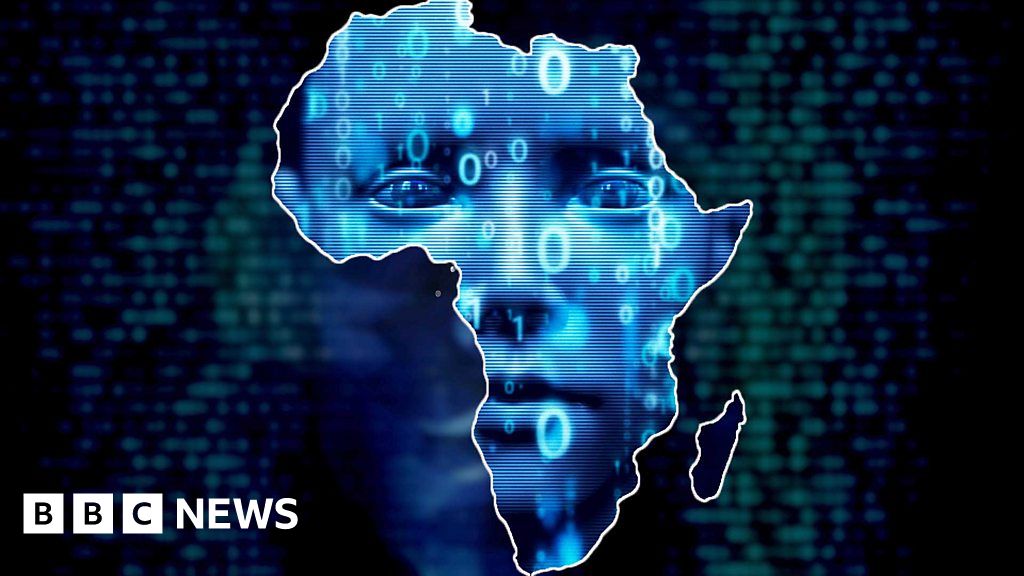
The United Nations has taken a significant step in addressing the growing concerns around artificial intelligence (AI) by launching its first global panel on the technology. This initiative comes as fears intensify that AI could exacerbate global inequalities, particularly in Africa, where most systems are imported and shaped elsewhere.
The panel, composed of approximately 40 experts from 37 countries, was approved by the UN General Assembly in February and held its inaugural meeting in March. Members serve in their personal capacity for a three-year term, ensuring independence and neutrality.
The primary goal of the panel is to assist governments in understanding the rapid spread of AI across economies, politics, and daily life. It aims to bridge what the UN describes as a growing “knowledge gap” regarding AI. Comparable to the Intergovernmental Panel on Climate Change (IPCC), this new body will provide independent scientific advice and produce regular assessments of AI’s risks and impacts.
Addressing the Dominance of Major Tech Companies
Among the panel members is Senegalese researcher Adji Bousso Dieng, who emphasizes the need for Africa to develop its own AI to avoid dependency on external systems. She highlights the current dominance of major tech companies, particularly in the United States and China, which control much of the AI landscape.
Dieng explains that while other startups are emerging, including in Europe with Mistral, the concentration of AI development in the hands of a few companies remains a critical issue. She argues that AI should be considered a public good, and countries in the Global South must have the means to develop their own AI systems.
AI Development in Africa: Challenges and Opportunities
Despite the challenges, there are communities and companies in Africa working on AI initiatives. However, Dieng points out that most systems are imported, leading to issues such as bias. She stresses the importance of local AI systems built with local context to solve local problems effectively.
Her research focuses on introducing diversity into AI to ensure it explores multiple solutions and hypotheses. She developed a mathematical tool called the 20-10 score to measure and guide this diversity, making AI more exploratory and creative.
The Vision for a Pan-African AI
Dieng envisions a pan-African AI that fosters real collaboration across the continent to address concrete problems in education, training, and trade. She believes that such an approach is essential for Africa to move beyond political slogans and create practical solutions.
She also discusses the concept of digital colonization in Africa, where companies exploit data labeling in countries like Kenya without fair compensation or proper legal frameworks. This situation raises concerns about data sovereignty and the exploitation of African labor.
Raising Awareness and Encouraging Local Innovation
Despite the enthusiasm for AI in Africa, Dieng notes that many people and governments are not fully aware of the risks. She advocates for building local AI systems to prevent Africa from becoming a consumer rather than a creator of technology.
Dieng founded the NGO The Africa I Know to encourage young people, especially girls, to pursue science and AI. Through inspiration, summer camps, and project-based learning, the organization empowers students to become creators of technology.
Optimism and the Future of AI
Despite the risks, Dieng remains optimistic about using AI for scientific discovery. She believes AI can accelerate the development of new molecules and materials for energy, climate, health, and agriculture. However, she acknowledges the dangers of over-reliance on chatbots and the potential loss of critical thinking and creativity.
Conclusion
The UN’s new AI panel represents a crucial effort to ensure that AI development benefits the entire international community. By fostering collaboration, promoting local innovation, and addressing the risks of inequality and exploitation, the panel aims to create a more balanced and inclusive future for AI. As Dieng’s work demonstrates, the path forward requires both global cooperation and a commitment to local solutions.