Short Track Speed Skating: A Thrilling Dance on Ice
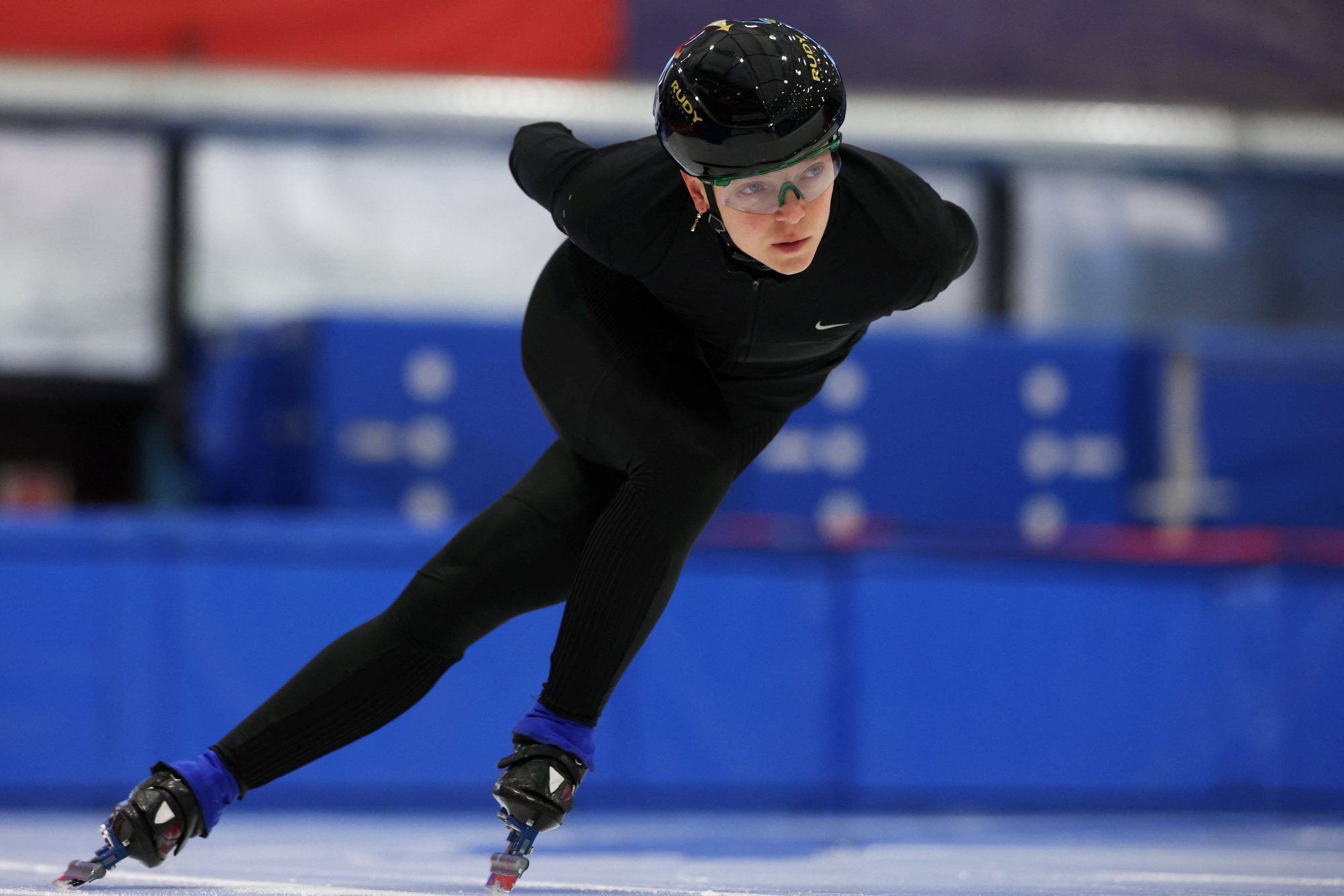
Forget the solitary race against the clock; short track speed skating is a high-octane, strategic battle fought inches apart on an oval. At the upcoming Milan Cortina Winter Games, all eyes will be on the exhilarating world of short track, a discipline where agility, nerve, and sheer willpower determine the victor. Unlike its longer-track counterpart, where individual performance reigns supreme, short track is a dynamic pack event, a chaotic yet calculated sprint where athletes jostle for position, navigate tight corners, and aim to outmanoeuvre their rivals.
The very nature of this sport necessitates a heightened level of caution. Competitors are outfitted with helmets and gloves, not just for aerodynamics, but as crucial protective gear. The razor-sharp blades of speed skates, combined with the close proximity of skaters during intense bursts of speed, create a constant risk of collisions and cuts. Falls are an unfortunate, yet often spectacular, part of the sport, adding to the drama and unpredictability.
Who to Watch: A Champion’s Homecoming
The undisputed queen of Olympic short track, Italy’s Arianna Fontana, is set to grace the ice at her home Games, aiming to add to her already staggering medal collection. The 35-year-old, hailing from the northern town of Sondrio, is not only a legendary figure in the sport but will also benefit from the fervent support of the Italian crowd. Her presence alone guarantees a must-watch spectacle, especially as she looks to cement her legacy.
Fontana’s journey to becoming the most decorated short-track skater in Olympic history is a testament to her enduring talent and dedication. This will mark her sixth Winter Games appearance, and her second on home soil, following her debut at the 2006 Turin Games at the tender age of 15. Even then, she showed immense promise, securing a bronze medal in the 3,000m relay. Her Olympic accolades now stand at an astonishing 11 medals: two golds in the 500m, four silvers, and five bronzes.
Beyond Fontana, the international field promises fierce competition. Canada’s William Dandjinou, who was notably absent from the 2022 Olympic squad, has since emerged as a formidable force, clinching four world championship golds. Alongside Courtney Sarault, Dandjinou has propelled the Canadian team to the top, securing the men’s and women’s 2025 World Tour crystal globes. The United States will be looking to make their mark, spearheaded by the talented trio of Corinne Stoddard, Kristen Santos-Griswold, and Andrew Heo.
Venues and Schedule: Where the Magic Happens
The electrifying short track speed skating events will unfold at the Milano Ice Skating Arena, also known as the Unipol Forum, located in Assago, a suburb of Milan. This state-of-the-art facility will also host the figure skating competitions, providing a grand stage for both disciplines. The short track action kicks off on Tuesday with the highly anticipated mixed team relay and will conclude on February 20th with the gruelling men’s 5,000m relay and the women’s 1,500m race.
A Legacy of Memorable Moments
Short track speed skating has a rich history of producing unforgettable moments, etched into the annals of Olympic lore. The sport gained significant traction in the United States thanks to the exploits of Apolo Anton Ohno, who amassed an impressive eight Olympic medals across the 2002, 2006, and 2010 Games, including two golds.
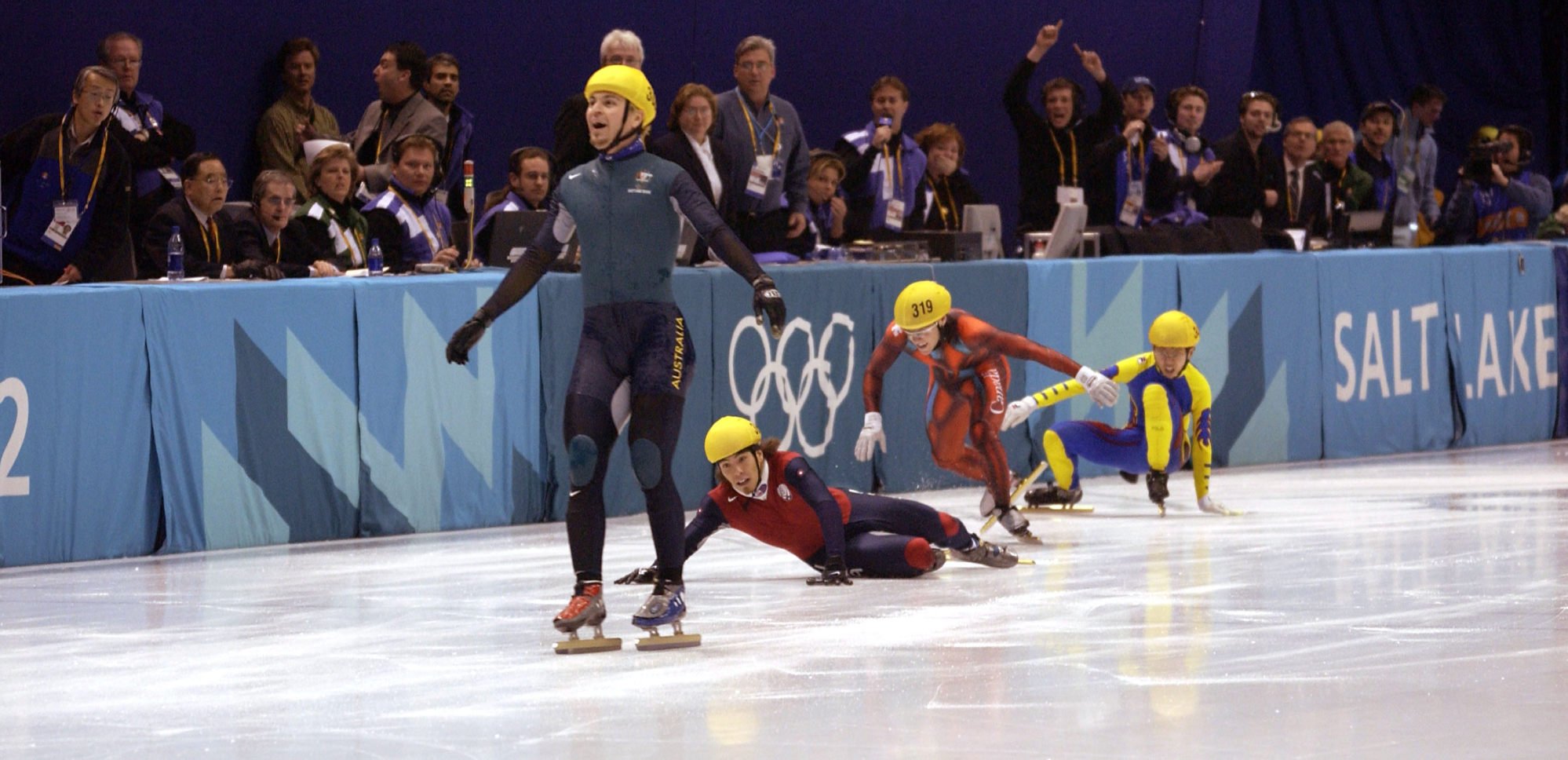
Perhaps one of the most talked-about, and certainly one of the most serendipitous, races in Olympic short track history occurred at the 2002 Salt Lake City Games. In the men’s 1,000m final, Australia’s Steven Bradbury found himself trailing significantly behind the rest of the pack. However, in a twist of fate that has become legendary, all four of his rivals, including Ohno, crashed out on the final turn, leaving Bradbury to skate unopposed to a historic gold medal.
Fun Facts About the Fast and Furious
A unique aspect of short track racing is the method of determining the winner. Unlike track and field events where athletes lean across the finish line, in short track, the victory is decided by the precise moment a skate crosses the line. This is precisely measured by a transponder chip worn near the skater’s ankle, which transmits an electronic signal for accurate timing. This technological integration ensures absolute fairness in a sport where milliseconds can separate triumph from defeat.