The Strategic Importance of the Bab el-Mandeb Strait
The Bab el-Mandeb Strait, a critical maritime passage, has recently come under increased scrutiny due to rising tensions in the region. With the Strait of Hormuz effectively closed, the focus is now shifting to the Bab el-Mandeb Strait, which could further strain global supply chains.
What is the Bab el-Mandeb Strait?
The Bab el-Mandeb Strait is approximately 30 kilometers wide at its narrowest point. It connects the Arabian Peninsula with the Horn of Africa, specifically linking Yemen on the northeast side with Eritrea and Djibouti on the west. Its name translates to “Gate of Tears” in Arabic, a reference to its challenging sailing conditions.
This strait plays a crucial role in global trade as it allows ships to transit directly between the Mediterranean Sea and the Indian Ocean via the Red Sea and the Gulf of Aden. Before the Suez Canal opened in the 19th century, vessels had to navigate around the southern tip of Africa to make this journey.
For example, an oil tanker departing from Saudi Arabia to the Netherlands can save over 8,000 kilometers by using the Red Sea route instead of going around Africa. This not only reduces travel time but also significantly lowers transportation costs.
What Passes Through the Strait?
In normal times, up to 14% of global maritime trade passes through the Bab el-Mandeb Strait. Fossil fuels constitute a major portion of this traffic. According to the International Energy Agency, around 4.2 million barrels of crude oil and petroleum liquids cross the strait daily, representing about 5% of global production.
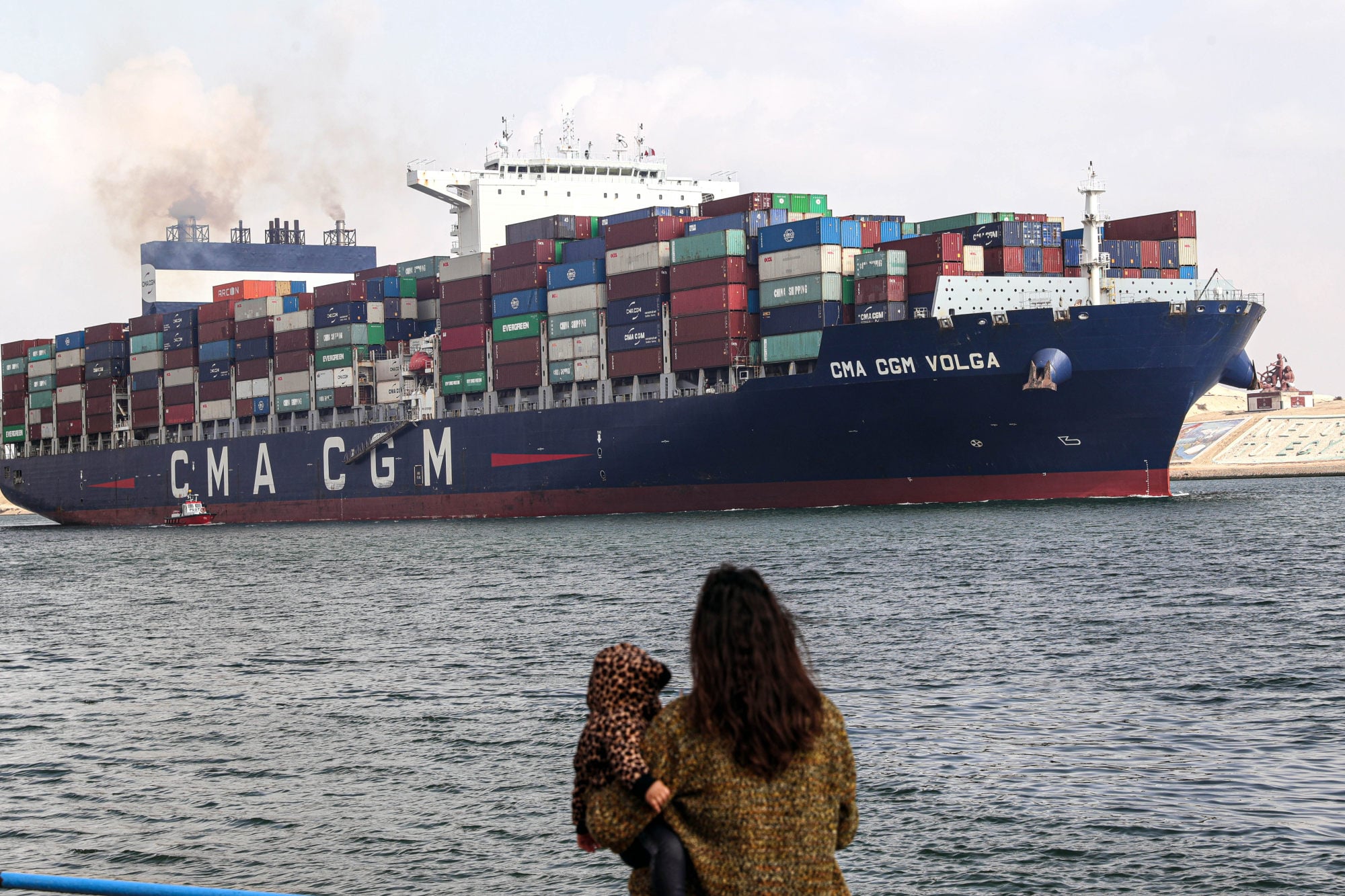
Data from the Suez Canal Authority provides insight into Red Sea shipping patterns. In the final quarter of 2025, about 40% of the 3,426 ships passing through the Suez Canal transported fossil fuels, including 1,330 oil tankers and 88 liquefied natural gas ships. Another 40% of the traffic consisted of bulk and general cargo, such as agricultural commodities, coal, and iron ore. Container ships accounted for approximately 13% of the traffic.
However, the number of ships passing through the Red Sea has declined significantly since Houthi attacks on shipping began in late 2023 and continued into 2024, even though these attacks have largely ceased.
Can the Strait Be Closed?
Unlike the Strait of Hormuz, the Bab el-Mandeb Strait cannot be entirely closed. Its narrowest point remains a relatively wide waterway, and ships can still exit to the Mediterranean via the Suez Canal. However, this does little to comfort those heading to Asia, as they would then have to take a longer route around Africa, adding weeks to their journey.
Saudi Arabia has already developed an alternative to avoid the Strait of Hormuz, known as the East-West pipeline. This pipeline connects Abqaiq in the north with Yanbu on the Red Sea and was operating at nearly full capacity during the conflict. However, oil bound for Asia from this new route still needs to pass through the Bab el-Mandeb Strait, making it vulnerable to disruption.
A History of Disruption
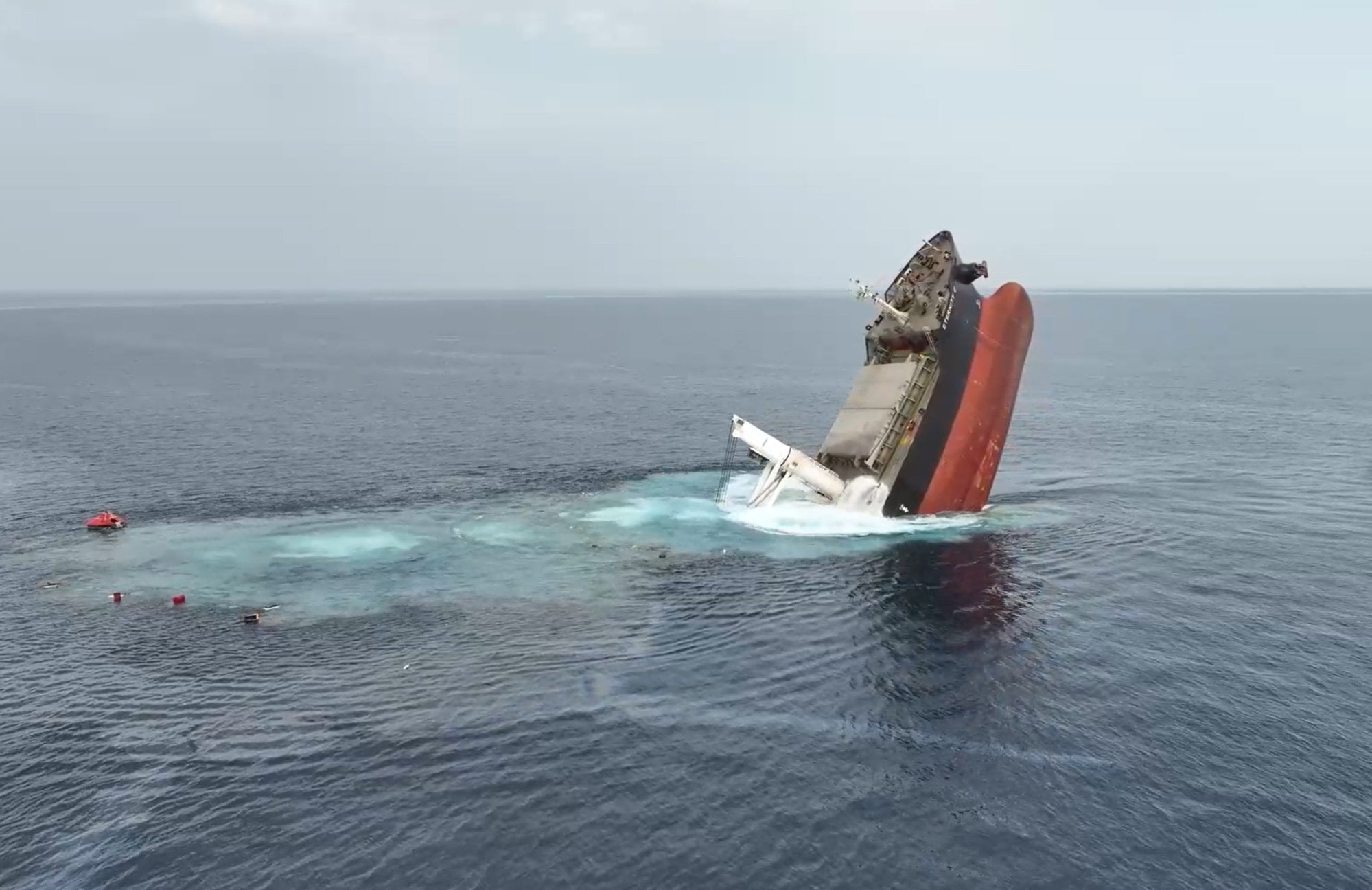
The Houthis have previously disrupted shipping in the Red Sea, causing significant challenges for global trade. Between November 2023 and September 2024, the International Maritime Organization recorded 67 incidents. While some ships suffered minor damage, others faced severe fires, flooding, and structural issues after being hit by missiles or drones.
Despite the relative calm in recent months, the threat of attacks remains. For shipping companies, the mere possibility of attacks can be enough to slow or restrict operations. There are serious risks to civilian crew members, who face life-threatening situations.
Insurance costs could also become prohibitively high, effectively closing the route in practical terms. During the Red Sea crisis, insurance costs rose from 0.6% of the cargo value to as much as 2%.
The Potential Impact of a Dual Closure
If both the Strait of Hormuz and the Bab el-Mandeb Strait were to be effectively closed simultaneously, the consequences for global supply chains and the global economy would be severe. Such a scenario would disrupt the flow of essential goods and energy resources, leading to increased costs and potential shortages.
As tensions continue to escalate, the international community must remain vigilant and prepared for any disruptions that may arise from these critical maritime passages.