New Guangzhou Regulations Spark Debate on Dim Sum Authenticity
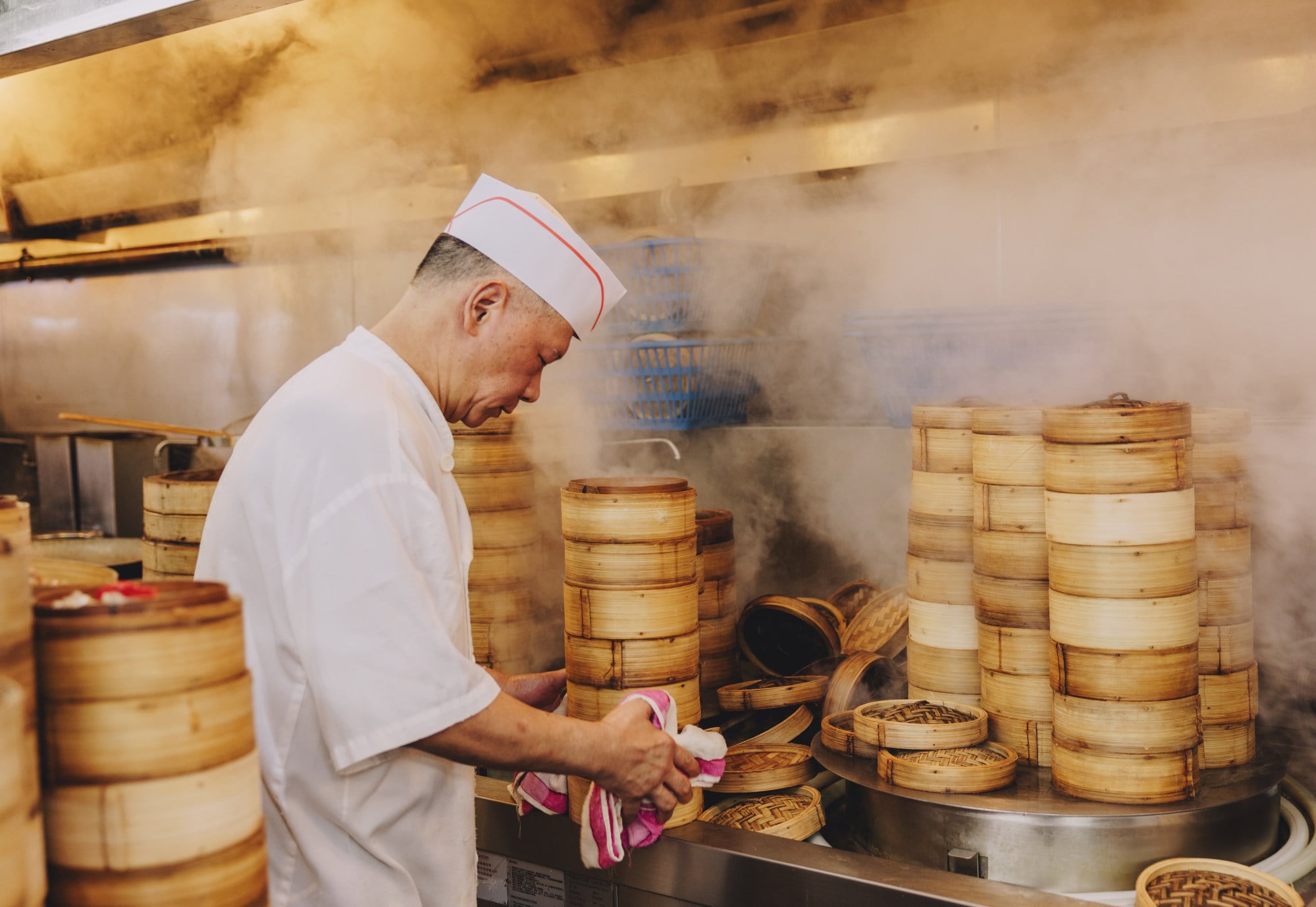
Effective May 1, a new regulation in Guangzhou has introduced stricter guidelines for teahouses and restaurants serving traditional dim sum. The rule mandates that operators must explicitly state whether their dishes are made using traditional on-site methods or through non-traditional means. This move aims to preserve the intangible cultural heritage of dim sum and ensure its authenticity.
The regulations also require that traditionally made items be consumed within a strict 24-hour freshness window from production. This measure is intended to maintain the quality and integrity of the dishes while promoting transparency among consumers.
Industry Reactions and Concerns
The new rule has sparked a debate among industry experts and lawmakers in Hong Kong. Jonathan Leung Chun, a catering sector lawmaker, highlighted the importance of distinguishing between “central kitchens” and “pre-made meals.” He argued that many large restaurant groups in Hong Kong use central kitchens during peak hours for standard pre-processing, such as slicing and seasoning, to ensure consistent quality and hygiene.
Leung emphasized that this practice is an extension of the restaurant’s own kitchen rather than a replacement for handmade craftsmanship. He stressed the need to clarify this distinction to accurately assess the survival of traditional dim sum techniques.
Challenges in Preserving Traditional Skills
The dim sum sector faces a structural “talent severance,” where machinery cannot fully replace human expertise. Leung pointed out that social awareness of this heritage has grown significantly, and he called for deeper collaboration between the government and the industry to address professional status, cultural preservation, and operational subsidies.
He also advocated for “radical transparency” in the industry. By being honest about the source and nature of their products, operators can empower consumers to make informed choices based on taste and the value of craftsmanship.
Broader Implications and Industry Perspectives
Beyond the labeling mandate, the new Guangzhou regulations also require operators to provide various tea options when collecting per-person tea charges. Additionally, they must establish a skill evaluation system and subsidize dim sum masters who take on apprentices.
Tommy Yu, director of Hei Hei Group, suggested that introducing a voluntary certification scheme for traditional handmade dim sum would be a better approach to promoting local dining culture and attracting foreign tourists without severely affecting the business environment.
Yu noted that many local teahouses and specialty shops continue to prepare food on-site, although large restaurant groups commonly produce fillings in central kitchens before wrapping the dim sum at individual branches. He pointed out that the current cost of pre-processed items remains higher than hiring manual labor, which has prevented a complete shift to pre-made dim sum.
Balancing Tradition and Modern Practices
Martin Lee, chief operating officer of Chinese and Western restaurants at Maxim’s Group, highlighted that the recent backlash against pre-made ingredients was primarily due to the “too rapid expansion” of the concept on the mainland. This led to some low-quality restaurant chains, creating confusion among consumers.
Lee emphasized the need for a clearer definition of what constitutes pre-made food. Certain complex dishes, such as braised pork belly, beef Wellington, abalone, and curry, inherently require advance preparation and marination to achieve the correct taste and texture.
Regulatory Developments and Future Outlook
The Environment and Ecology Bureau stated that the new Guangzhou regulations were established under national law on intangible cultural heritage. It added that mainland authorities are currently soliciting public views on a draft national food safety standard for prepared cuisine.
“We will continue to monitor the development of ‘prepared dishes’ both on the mainland and locally, as well as implement suitable measures to safeguard public health and promote high-quality development of the food trade,” the bureau said.
Hong Kong authorities have previously ruled out the possibility of requiring labelling for pre-cooked meals at restaurants, citing the absence of uniform standards and varying interpretations among operators of what constituted a “pre-cooked” dish.
Secretary for Environment and Ecology Tse Chin-wan told lawmakers in September last year that mandatory labelling would present enforcement challenges and potentially lead to disagreements between restaurants and consumers.
Mainland authorities released a draft national food safety standard in February that explicitly defined pre-prepared dishes as industrially pre-processed, pre-packaged items without preservatives. The standard excluded dishes prepared in central kitchens and set a maximum shelf life of 12 months for processed food items.