Finnish President Expresses Grim Outlook on Ukraine Peace Talks
Finnish President Alexander Stubb, known for his connections with both US President Donald Trump and Ukrainian President Volodymyr Zelensky, has voiced significant concerns regarding the ongoing peace negotiations for Ukraine. In a recent interview, Stubb suggested that US-led efforts to broker peace may be nearing an impasse, potentially even concluding without a resolution.
Stubb attributed this potential stalemate to a confluence of factors. One significant element he highlighted is the escalating conflict in Iran, which he believes is diverting crucial international attention away from the protracted war in Ukraine. This shift in focus, he posited, could be hindering progress in the peace talks.
“It may be due to the war in Iran, which is drawing a lot of attention away from the war in Ukraine. But it may also be that the negotiations have come to a halt because they’ve reached the end of the road and are not making any further progress,” Stubb stated in his remarks to the Norwegian daily VG.
Beyond external distractions, Stubb also pointed to the internal dynamics of the negotiations themselves. He indicated that American negotiators have reportedly exhausted their avenues for progress. The primary obstacle, according to Stubb, appears to be the unresolved issue of territorial claims, specifically concerning Donetsk and surrounding regions. However, the fundamental challenge, as he sees it, lies in Russia’s perceived unwillingness to genuinely pursue peace.
“I believe the American negotiators have done everything they could, and that most of it now hinges on one issue: Donetsk and territories. But the big problem here is that I don’t think Russia wants peace,” Stubb elaborated.
These assessments from the Finnish President echo recent reports suggesting a significant slowdown in the US-brokered dialogue between Moscow and Kyiv.
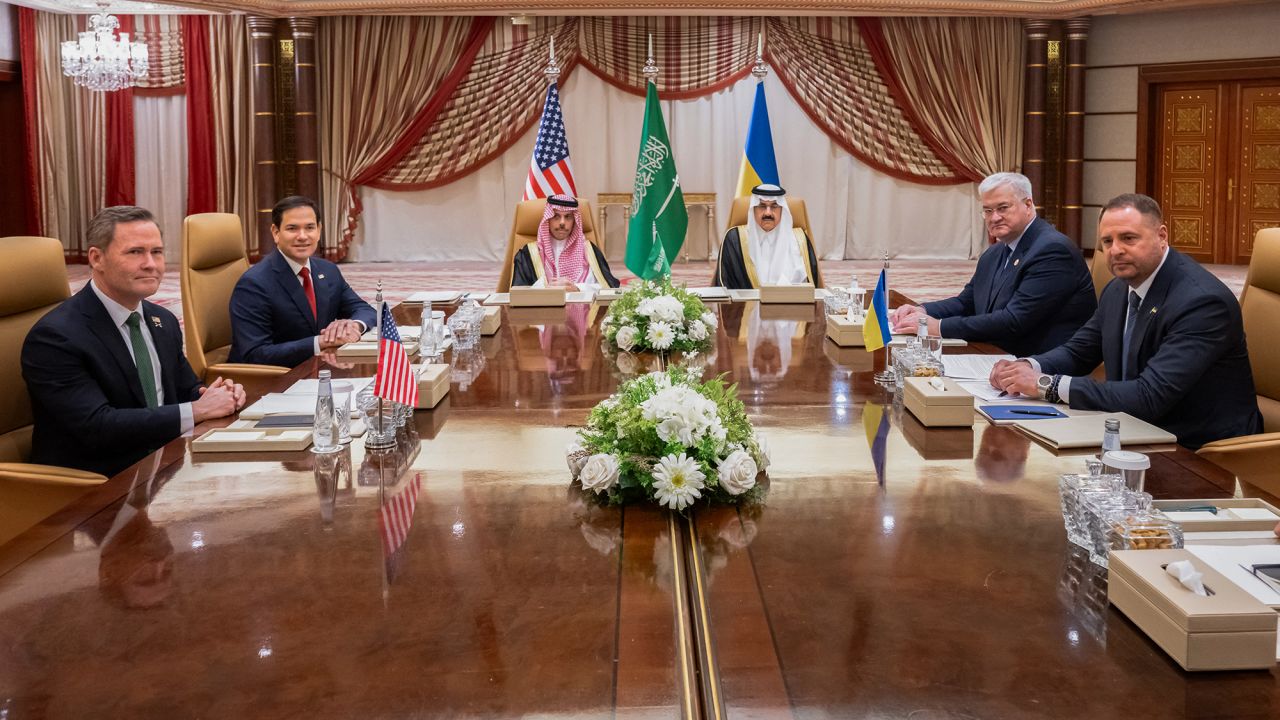
In an attempt to inject momentum into the stalled peace process, Ukraine dispatched a delegation to the United States recently. Despite these efforts, the visit did not yield any immediate breakthroughs.
Following the delegation’s return, Ukrainian President Volodymyr Zelensky conveyed a somber update. “Unfortunately, there is no real progress as yet,” Zelensky stated on Tuesday, reflecting on the outcomes of the meetings with his negotiating team. He reiterated his administration’s stance, adding, “Russia does not want to move towards peace.”
International Pressure: A Call for Sustained Action
Amidst this challenging diplomatic landscape, Estonia’s Prime Minister, Kristin Michal, has issued a strong call for continued international pressure on Russia. Michal emphasized that maintaining such pressure is the sole viable strategy to compel Moscow towards meaningful negotiations.
“If you don’t take away the money from Russia, if you don’t pressure them … Politeness will not work with Russia, it’s weakness for them,” Michal articulated to reporters. Her remarks were made as she arrived for a meeting of leaders from the Joint Expeditionary Force (JEF), an event hosted by President Stubb in Helsinki.
The JEF represents a significant military coalition, bringing together ten nations: Denmark, Estonia, Finland, Iceland, Latvia, Lithuania, the Netherlands, Norway, Sweden, and the United Kingdom. The collective strength and unified stance of such alliances are seen as crucial in the ongoing efforts to address the conflict and its broader geopolitical implications. The shared commitment of these nations underscores the international community’s resolve to find a pathway toward peace, even in the face of considerable diplomatic hurdles.