India’s Strategic Silence: A Calculated Risk Amidst West Asian Turmoil
As geopolitical currents shift dramatically across West Asia, India finds itself in a position of strategic silence regarding the escalating conflict involving Iran. While the region grapples with a reshaping of alliances and a potential mediator emerging in an unexpected quarter, New Delhi’s measured approach is raising questions about its diplomatic influence and its long-term relevance in the strategically vital Gulf region.
Analysts observe that India, despite its deepening partnerships with the United States, Israel, and various Gulf states, has conspicuously abstained from any significant role in conflict-resolution initiatives concerning Iran. This detachment, particularly in the face of escalating hostilities, has led some experts to suggest that India’s diplomatic voice has been notably absent.
Umer Karim, a political science researcher at the University of Birmingham, commented on India’s current standing. “Its diplomacy has been missing in action for several days after the initiation of hostilities. Even the sinking of an Iranian ship near Indian territorial waters drew muted and reserved reactions from the Indian side,” Karim stated. He further elaborated that India’s strengthening strategic ties with Israel and its concerted efforts to rebuild its partnership with the US may have inadvertently led to its current “largely irrelevant and marginalised” position in the ongoing diplomatic manoeuvring.
Despite India’s aspirations for a more prominent role in global governance, underscored by its recent G20 presidency and its leadership advocacy for the Global South, the nation is navigating the fallout of the Iran conflict with extreme caution. This careful calibration is aimed at safeguarding its multifaceted interests in the Middle East and beyond.
A primary concern for India is the potential impact of any overt condemnation of US actions on its trade relations with Washington. These ties have already experienced strain, notably following the imposition of a 50 per cent tariff on Indian exports stemming from Delhi’s previous oil purchases from Russia.
Karim highlighted a growing “unease” in India-Iran relations over recent years. This sentiment is exemplified by Delhi’s hesitant commitment to the development of Iran’s Chahbahar port. He expressed particular surprise at India’s subdued reaction to Iranian attacks on Gulf states, especially given India’s significant partnerships in the region. “With the UAE, with which India signed a letter of intent for a strategic partnership, it was widely expected that Delhi would become a critical defence partner and ally of the Emirates, but it didn’t,” Karim observed. “All of this will have grave implications for India’s standing and strategic relevance on both shores of the Gulf waterway.”
Pakistan’s Emergence as an Unlikely Mediator
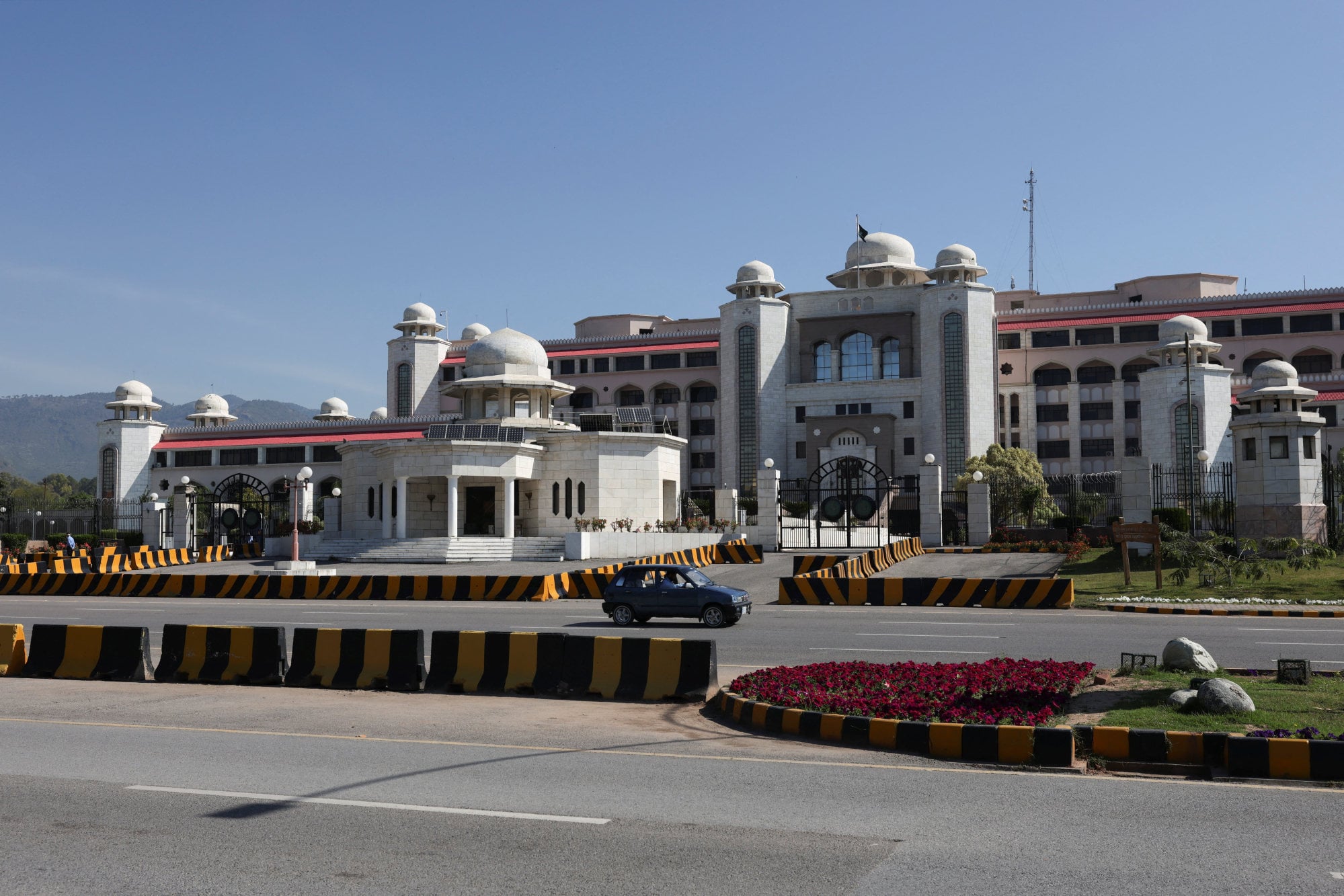
In a surprising turn of events, Pakistan has emerged as a potential backchannel mediator between Tehran and Washington. This development could potentially overshadow India’s own diplomatic endeavours to establish itself as a credible global actor. US President Donald Trump publicly shared a social media post from Pakistani Prime Minister Shehbaz Sharif, indicating Islamabad’s readiness to facilitate “meaningful and conclusive” talks to de-escalate the conflict.
Reports suggest that Pakistan has conveyed a 15-point ceasefire proposal from the US to Iran. US Vice-President J.D. Vance is also anticipated to play a role in the ongoing negotiations. However, Iran has reportedly rejected this proposal and has put forth its own set of five conditions for a resolution.
Praveen Donthi, a senior analyst at the International Crisis Group, contrasted the strategic approaches of India and Pakistan. He explained that their differing geopolitical trajectories have shaped distinct strategic cultures and ambitions. “Because of Pakistan’s geographical position and its willingness to collaborate with the US’ strategic plans in the region, it has been involved in numerous geopolitical conflicts in its neighbourhood,” Donthi noted.
He characterised Pakistan’s approach as “high-risk, high-reward,” in contrast to India’s “multi-alignment stance,” which, according to Donthi, prefers a more cautious approach, avoiding mediation unless formally invited by all parties involved, a strategy also observed during the Russia-Ukraine conflict.
The ongoing instability in Afghanistan and Iran has amplified Pakistan’s value as a frontline partner for Washington. Furthermore, its strong strategic ties with Saudi Arabia have bolstered its position as a potential venue for Iran-US talks.
While India might view this boost to Pakistan’s global standing with concern, given its long-standing campaign to isolate Islamabad, Donthi suggested it does not fundamentally alter India’s trajectory of growth, which is built on economic strength, international partnerships, and its perceived role as a counterbalance to China.
Domestic Scrutiny and India’s Diplomatic Stance
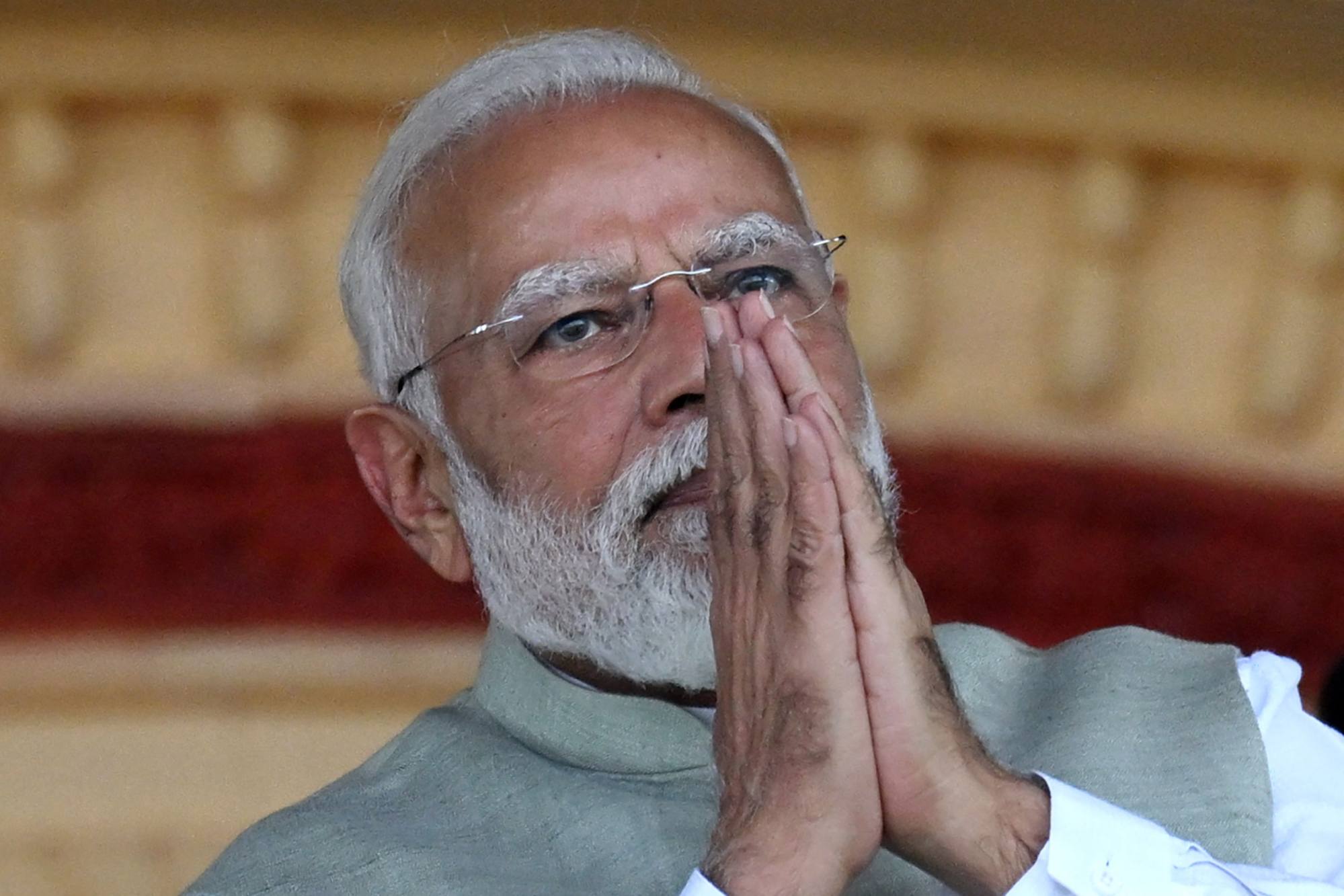
Following reports of Pakistan positioning itself as a key mediator, Indian Prime Minister Narendra Modi faced criticism from the opposition. Rahul Gandhi, a prominent leader of the Congress party, derided Delhi’s foreign policy under Modi as a “joke” in response to Pakistan’s enhanced diplomatic profile.
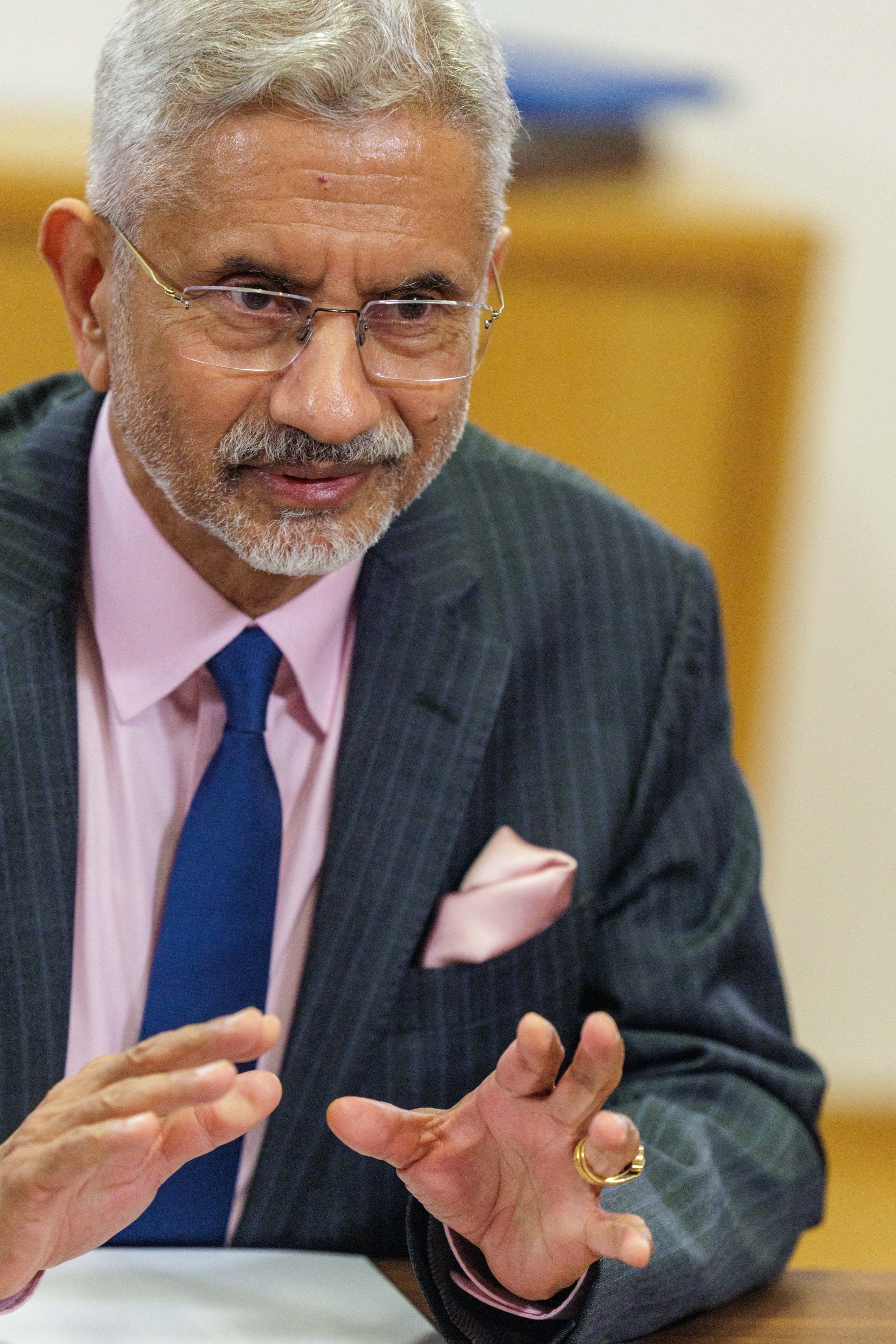
In response, India’s External Affairs Minister Subrahmanyam Jaishankar defended the government’s position at an all-party meeting. He asserted that India could not operate as a “dalal [broker] nation” on the global stage in the manner that Pakistan does. The government also sought to contextualise Pakistan’s role by pointing out that it has historically served as a backchannel between Washington and Tehran since 1981.
Foreign affairs analyst Robinder Sachdev commented on Pakistan’s proactive diplomacy, acknowledging its disproportionate visibility but questioning its long-term strategic impact. “Pakistan’s active role in the negotiations over the US-Israel-Iran crisis has undeniably heightened its global visibility,” he stated. “However, from India’s long-term perspective, this engagement is unlikely to yield durable strategic weight. India instead views Pakistan’s current actions as another step towards its potential implosion.”
Sachdev pointed to a recurring pattern over five decades where Pakistan has derived temporary relevance from external crises, even as these engagements have seemingly eroded its internal cohesion and institutional capacity. “While such episodes offer economic relief and secure the extravagant lifestyles of Pakistan’s military-political elite, they ultimately hinder genuine national progress,” Sachdev, founder of the Imagindia Institute think tank in Delhi, remarked.
India’s Long-Term Strategy and Global Positioning
Despite the strategic implications of Iran’s influence on the Strait of Hormuz, through which a significant portion of India’s exports to Gulf countries transit, External Affairs Minister Jaishankar has maintained communication with his Iranian counterpart, Abbas Araghchi. Prime Minister Modi has also engaged with leaders across the Gulf, including those from Saudi Arabia, the UAE, Qatar, Oman, Kuwait, and Bahrain.
Sachdev posits that India’s non-interventionist posture is a deliberate, long-term strategy. This approach is rooted in its historical policy of non-alignment and is designed to build economic, technological, and military strength before asserting greater global influence. He believes this strategy is also calibrated to resonate with the Global South, fostering trust among nations wary of traditional power blocs, akin to China’s historical focus on accumulating comprehensive national power before its ascendance on the world stage.
Michael Kugelman, former director of the Wilson Centre’s South Asia Institute and a senior fellow for South Asia at the Atlantic Council, believes Pakistan has secured a genuine diplomatic win, irrespective of whether talks ultimately materialise in Islamabad. “It was really a small number of countries leading from the front on the mediation efforts focused on a very complex, high-stakes regional conflict,” he said. “In that sense, Pakistan has strengthened its global diplomatic profile and has achieved a significant strategic victory.”
Kugelman attributes India’s perceived disadvantage to two key factors: its diplomatic alignments do not naturally position it as a neutral interlocutor, and it has not actively projected itself as a mediator in the public sphere, unlike Pakistan. India’s relationship with Washington has been described as “shaky in recent months,” and its ties with Tehran have never been “particularly warm.” This dynamic was further complicated by the sinking of an Iranian vessel following a joint naval exercise with India, and the stalled momentum on the Chahbahar port project, one of the few “substantive engagements” between the two nations.
Kugelman also noted that Prime Minister Modi’s visit to Israel just before the conflict erupted may have further compounded India’s position. “The optics and timing of that have really affected India’s cause in the eyes of Iran and might have even disqualified India as a potential mediator,” he suggested. “India’s style is to stay back and wait until formally requested to play such a role. Despite being a top candidate to mediate between Russia and Ukraine, it didn’t happen because it wasn’t formally invited. The same is the case here.”