Japan Reassesses China Relationship in Diplomatic Draft, Emphasizing “Important Neighbor” Status
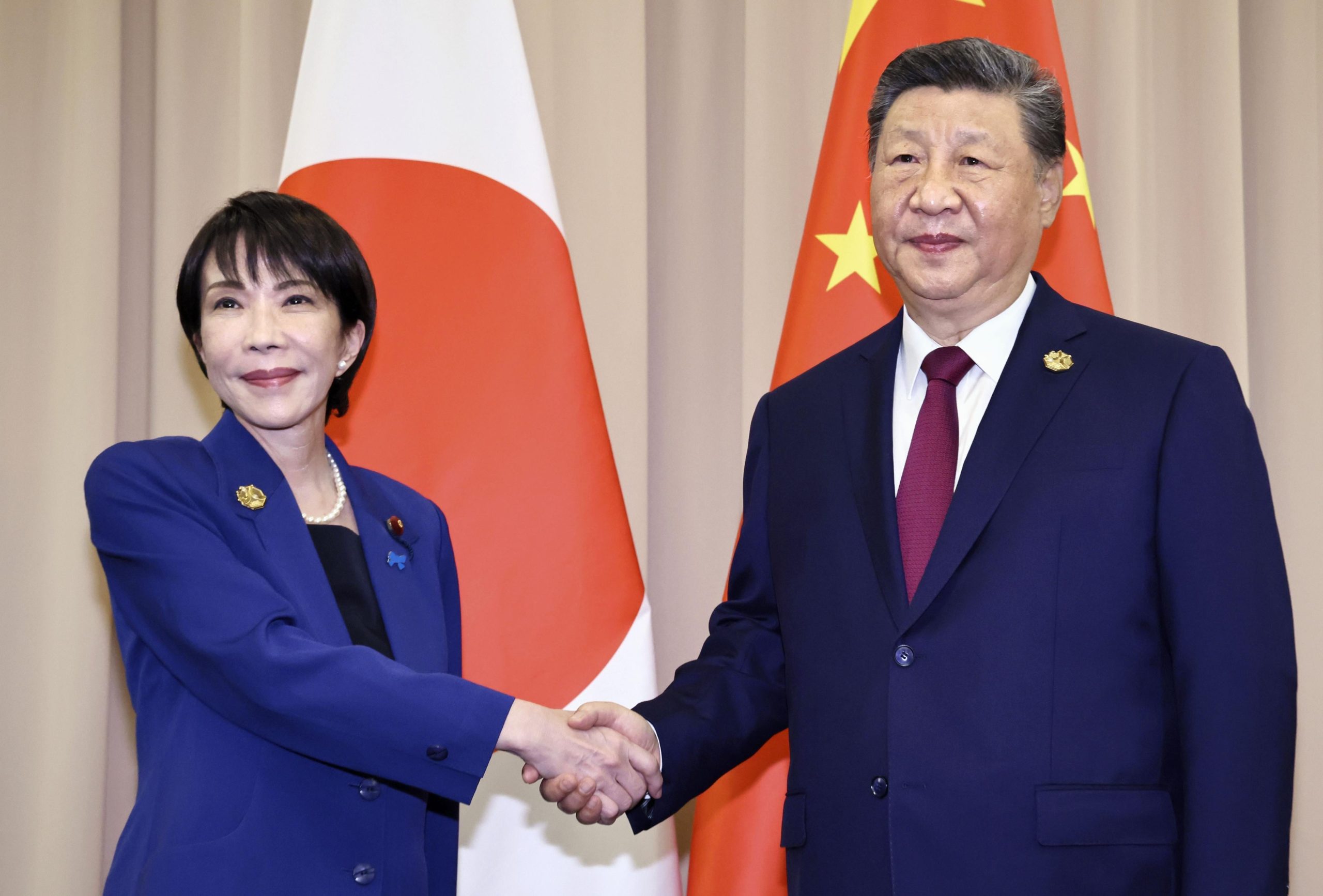
Japan’s forthcoming 2026 Diplomatic Bluebook is set to signal a notable shift in how the nation perceives its relationship with China. Draft revisions reportedly downgrade the description of bilateral ties from “most important” to a more measured “important,” reflecting heightened tensions and a recalibration of strategic priorities. This adjustment, expected to be formally announced next month, comes amid a backdrop of increasing friction between the two East Asian powers.
According to reports from Kyodo News and The Mainichi Shimbun, last year’s edition characterized China as “one of the most important bilateral relationships.” However, the upcoming draft refers to Beijing simply as “an important neighboring country.” This change is widely interpreted as Japan lowering the perceived significance of its relationship with China, particularly in the wake of remarks by Prime Minister Sanae Takaichi that suggested the possibility of Japanese intervention in a Taiwan contingency.
The draft outlines Japan’s approach to China as follows: “As an important neighboring country with various issues and challenges, we will continue dialogue and respond calmly and appropriately from the perspective of national interest.” This phrasing underscores a pragmatic, interest-driven engagement rather than an overarching prioritization of the relationship.
Heightened Tensions and Chinese Assertiveness
The draft also addresses the direct impact of Prime Minister Takaichi’s statements in November of last year, noting that “China has intensified one-sided criticism and coercive measures against Japan” in response. The document details a series of actions taken by the Chinese government following these remarks, illustrating a pattern of assertive behavior.
Key incidents highlighted in the draft include:
- Radar Lock-Ons: Chinese aircraft carrier-based fighters reportedly locked their radar onto Japan Self-Defense Force jets, a significant escalation of military posturing.
- Export Restrictions: China implemented strengthened export restrictions targeting Japan, notably including critical rare earth elements, a move seen as leveraging economic influence.
- Threatening Consulate Remarks: The draft specifically criticizes a “threatening post” by Xue Jian, the Chinese consul general in Osaka, who allegedly wrote, “There is no choice but to cut that dirty neck” in reference to Prime Minister Takaichi. This statement is explicitly condemned as “extremely inappropriate.”
Countering Information Warfare and Maintaining Dialogue
In light of China’s persistent criticism of Japan on international platforms, including the United Nations, the draft emphasizes the critical need for Japan to gain international understanding of its stance and to present factual accuracy. It also calls for the development of countermeasures against what is described as China’s “information warfare.”
Despite these tensions and concerns, the Japanese government reiterates its commitment to open communication. The draft explicitly states, “The Japanese government remains open to dialogue with China and will not close the door.” This suggests a dual approach of firm deterrence and continued engagement.
Strengthening Ties with South Korea and Addressing North Korea
Beyond its reassessment of China, the draft highlights the growing importance of Japan-South Korea relations. It specifically mentions the continuation of “shuttle diplomacy” between former Prime Minister Shigeru Ishiba and Prime Minister Takaichi with their South Korean counterparts. The document asserts, “The importance of Japan-South Korea relations has grown further. We will develop them in a future-oriented and stable manner.”
Regarding North Korea, the draft reaffirms Japan’s unwavering commitment to securing the early return of Japanese citizens abducted by Pyongyang. It also points to North Korea’s “malicious cyber activities” as a significant source of funding for its ballistic missile development, underscoring a multifaceted threat from the isolated nation.
The Diplomatic Bluebook: A Window into Japan’s Foreign Policy
The Diplomatic Bluebook, an annual publication by Japan’s Ministry of Foreign Affairs, serves as an official white paper that summarizes the international landscape and Japan’s diplomatic engagements over the preceding year. Typically released around April, it provides a crucial insight into the government’s foreign policy priorities and strategic outlook. While the 2026 edition primarily covers the period from January to December of the previous year, reports indicate that it also incorporates developments from January and February of the current year, such as China’s recent export restrictions. Foreign Minister Toshimitsu Motegi is expected to formally present the finalized Bluebook at a Cabinet meeting early next month.