Global Leaders Urged to Prioritise Child Safety in the Digital Age
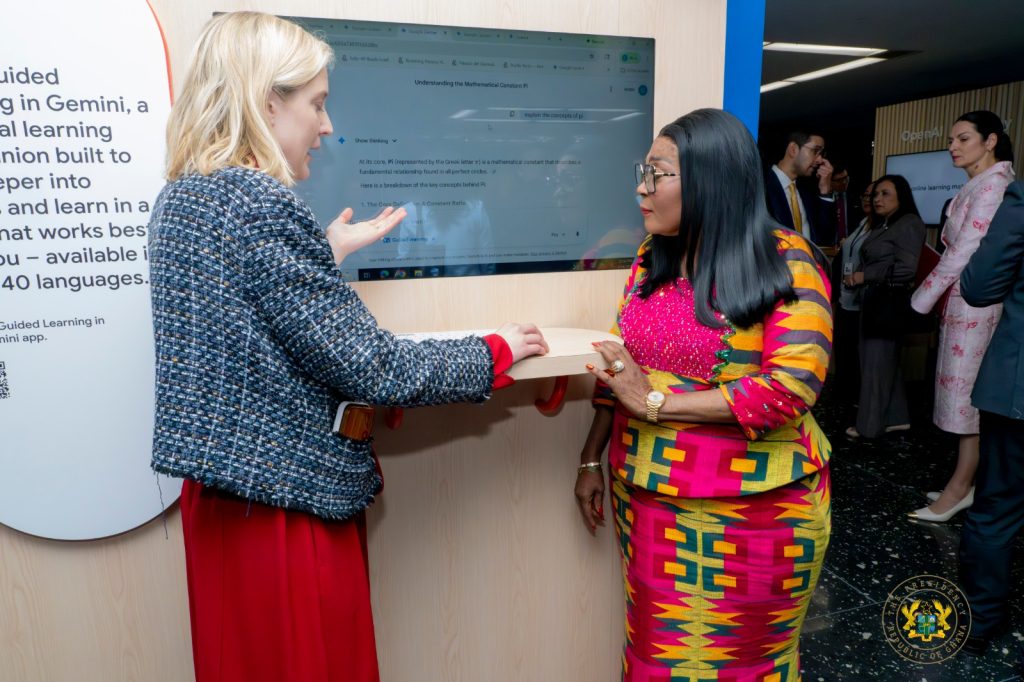
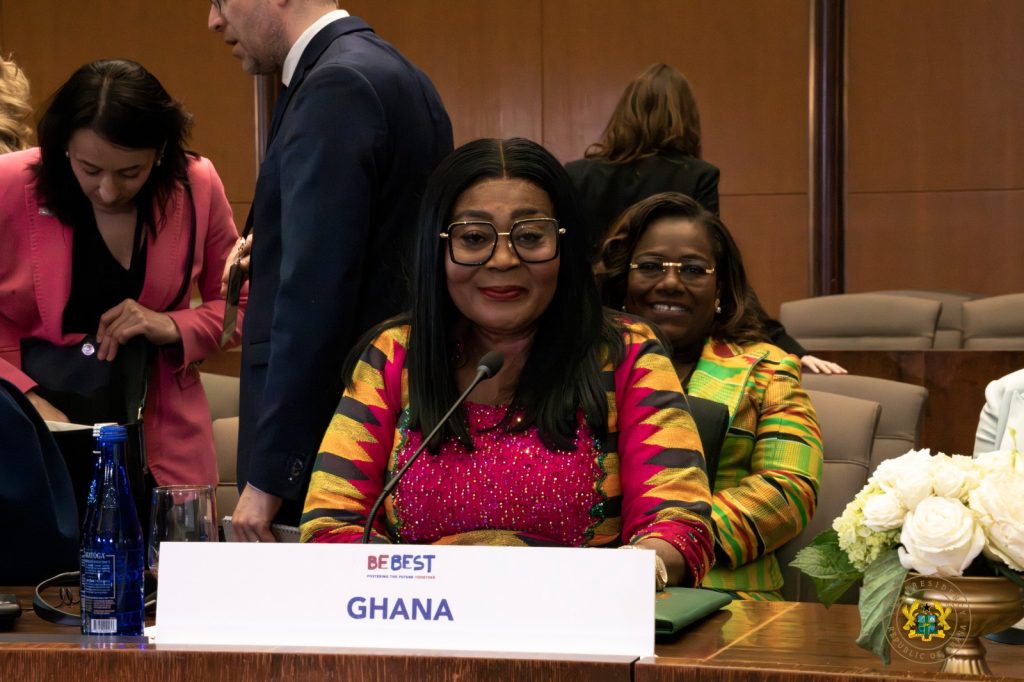
Accra, Ghana – Ghana’s First Lady has issued a compelling call to international leaders, imploring them to place child safety at the forefront of their agendas. Speaking at the Fostering the Future Together Global Coalition Summit in Washington, D.C., she underscored the profound impact of digital technology on young people, highlighting its capacity for both immense opportunity and significant peril.
The summit, convened by United States First Lady Melanie Trump, provided a critical platform for discussing the evolving landscape of child protection in an increasingly interconnected world. Ghana’s First Lady expressed gratitude for the invitation to participate, using the occasion to share a personal reflection that vividly illustrated the dual nature of technological advancement.
Recounting the celebrations of Ghana’s 69th Independence Day on March 6th, which also marked her birthday, she described her experience of browsing through TikTok. The platform was alive with young Ghanaians showcasing celebratory dances and extending birthday wishes.
“Many came from young people who could not attend our national celebrations,” she stated. “But technology gave them a voice.” This observation powerfully illustrated how digital platforms can serve as potent tools for amplifying the voices and participation of youth, bridging geographical distances and fostering a sense of national connection.
The First Lady elaborated on the dramatic expansion of the digital sphere, noting a striking statistic: nearly seven out of every ten individuals globally now engage with social media. Within Ghana, the digital landscape is equally vibrant, with an estimated eight to 15 million internet users, predominantly young people, actively participating online.
She drew a powerful parallel with her husband, President John Dramani Mahama’s, Independence Day address, quoting his insightful observation: “Our children belong to a generation armed with tools that earlier generations could hardly imagine. In their hands, a smartphone becomes a classroom, a business platform, a creative studio, and a gateway to the global economy.” This quote encapsulates the transformative potential of digital tools for education, entrepreneurship, creativity, and global economic integration.
However, the First Lady issued a stern caution. She emphasized that without adequate guidance and protective measures, the very technologies that offer so much promise can also pose serious dangers to children. She cited concerning research, revealing that a significant one in five young victims of cyberbullying consequently withdraw from attending school, highlighting the severe psychological and social toll of online harassment.
In response to these pressing challenges, Ghana has proactively implemented a multi-faceted strategy. This includes:
- Strengthening Legislative Frameworks: The nation has been working to enhance its legal and regulatory structures to better address online harms.
- Improving Enforcement Mechanisms: Efforts are underway to ensure that existing laws are effectively enforced to protect children online.
- Launching Public Awareness Campaigns: The ‘Safer Digital Ghana’ campaign has been initiated to educate the public about the risks associated with online activities and to promote preventative measures against online abuse.
The First Lady articulated a strong moral imperative, declaring that protecting children’s digital futures is “our moral duty, our generational responsibility, and our shared global mission.” This statement underscores the collective responsibility of societies and international bodies to safeguard young people in the digital realm.
The two-day summit itself is dedicated to fostering international cooperation on child online safety. It aims to build upon existing frameworks, such as the United Nations’ comprehensive “Children and Digital” report and the European Union’s pioneering Digital Services Act.
Ghana’s national strategy, extending to 2025, encompasses a range of initiatives designed to create a safer online environment for its youth. Key components of this strategy include:
- School-Based Digital Literacy Programmes: Integrating digital citizenship and online safety education directly into the school curriculum.
- Partnerships with Technology Companies: Collaborating with major technology firms, including Meta and Google, to enhance content moderation and develop safer online spaces.
With a remarkable 68 per cent internet penetration rate, according to recent data from the GSMA, Ghana is demonstrating leadership in Africa. The nation is actively striving to balance the rapid expansion of digital access with robust safeguards against emerging threats. These threats include the insidious dangers of sextortion, the pervasive spread of disinformation, and various forms of online abuse that can profoundly impact young lives.