Taiwan Denounces China’s “Crude” Media Suppression Tactics Following Journalist Expulsion
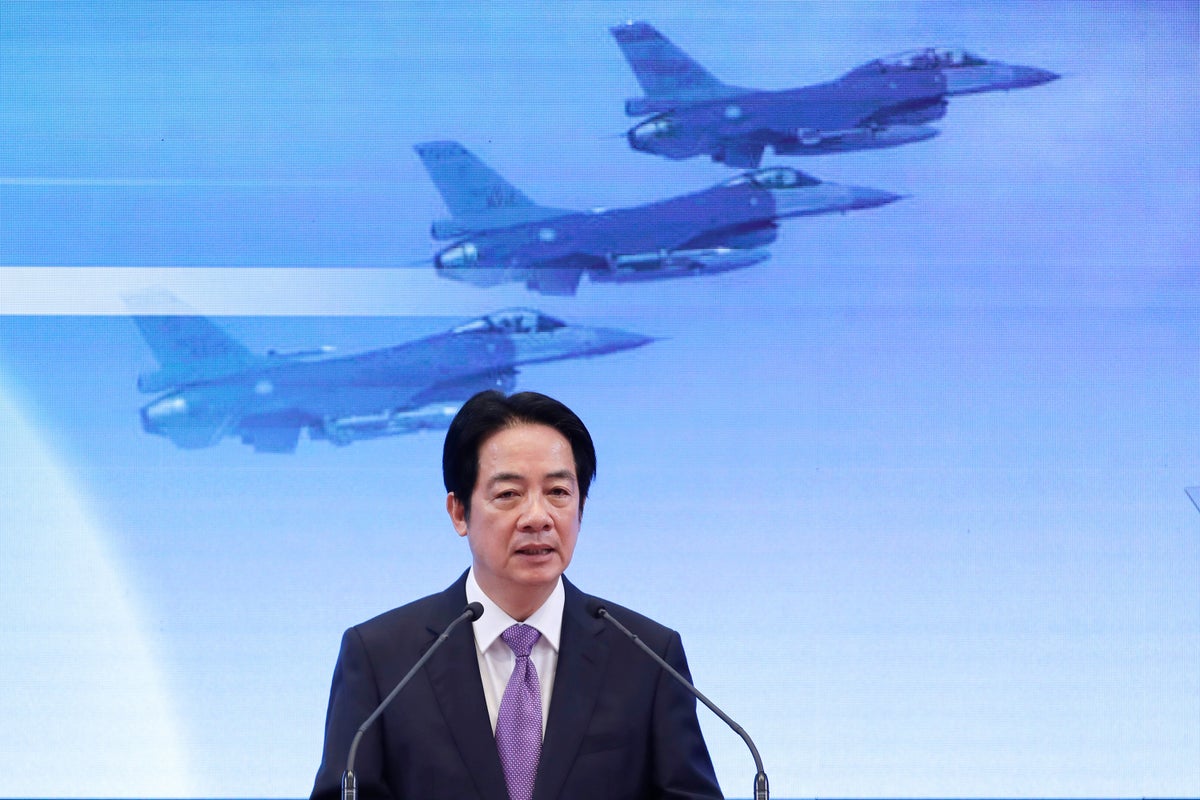
Taiwan has strongly criticised China’s “crude methods” and “groundless pretexts” used to prevent media engagement with its president, Lai Ching-te, following the expulsion of a New York Times reporter. The incident marks another escalation in Beijing’s ongoing campaign to isolate Taiwan and stifle its international voice.
Vivian Wang, a journalist with the New York Times based in Beijing, was expelled from China in February. This action followed an interview President Lai Ching-te gave to NYT columnist Andrew Ross Sorkin in December, conducted via video link during a Times DealBook summit. While Wang was not directly involved in the interview itself, her expulsion is seen as a punitive measure by Beijing.
Taiwan’s presidential office spokesperson, Karen Kuo, stated that it is standard practice for President Lai to grant interviews to articulate his government’s position to the global community. “China’s use of groundless pretexts and crude methods to threaten the media and interfere with press freedom not only fails to improve its international image, but also highlights that today’s China is indeed a source of instability,” Kuo said in a statement.
Taiwan has vowed not to be intimidated. The statement continued, “Taiwan will not be silenced by oppression” and pledged to continue presenting its stance to the international community in a “steady and responsible manner.”
This expulsion is the latest in a series of actions by Beijing aimed at cutting off Taiwan’s engagement with the rest of the world. China considers the self-governing island a breakaway province and employs various tactics to pressure countries that interact with its democratically elected leadership. President Lai and his government unequivocally reject Beijing’s sovereignty claims, asserting that the future of Taiwan can only be decided by its own people.
The New York Times only publicly disclosed Wang’s expulsion after weeks of negotiations with the Chinese government concerning her potential return. While Chinese officials eventually granted a seven-day visa for Wang and other Times journalists to cover Donald Trump’s visit to Beijing in May, she was ultimately denied the opportunity to resume her full-time correspondent role in the country.
Wang had a distinguished career covering China. She spent two years in Hong Kong before relocating to Beijing in 2022. Her reporting included significant coverage of the Covid-19 pandemic, and she was part of the New York Times team that received a Pulitzer Prize in public service in 2021 for their pandemic coverage.
The Challenges for Foreign Correspondents in China
Foreign correspondents operating in China typically receive one-year visas that require annual renewal. Crucially, these visas can be revoked at the discretion of the authorities. This system provides Beijing with considerable leverage over international media reporting from within the country.
The expulsion of Vivian Wang is not an isolated incident. In 2020, China expelled more than a dozen journalists from various US media organisations. This move was part of escalating tit-for-tat measures between Beijing and Washington. The United States responded by implementing restrictions on the number of Chinese journalists permitted to work in the US and imposing limitations on staff from four major Chinese state-owned media outlets.
New York Times Condemns Expulsion
Joseph Kahn, the executive editor of The New York Times, expressed strong disapproval of the Chinese government’s decision. “The Chinese government’s decision to expel Vivian Wang is wrong,” Kahn stated. “Her expulsion will make it even harder for our global audience to get accurate, independent and in-depth reporting about the world’s second-largest economy at a critical time.”
Kahn lauded Wang as “one of the most respected journalists covering China today” and highlighted that her expulsion “follows a campaign of harassment and threats directed at her over professional, accurate and evenhanded reporting.”
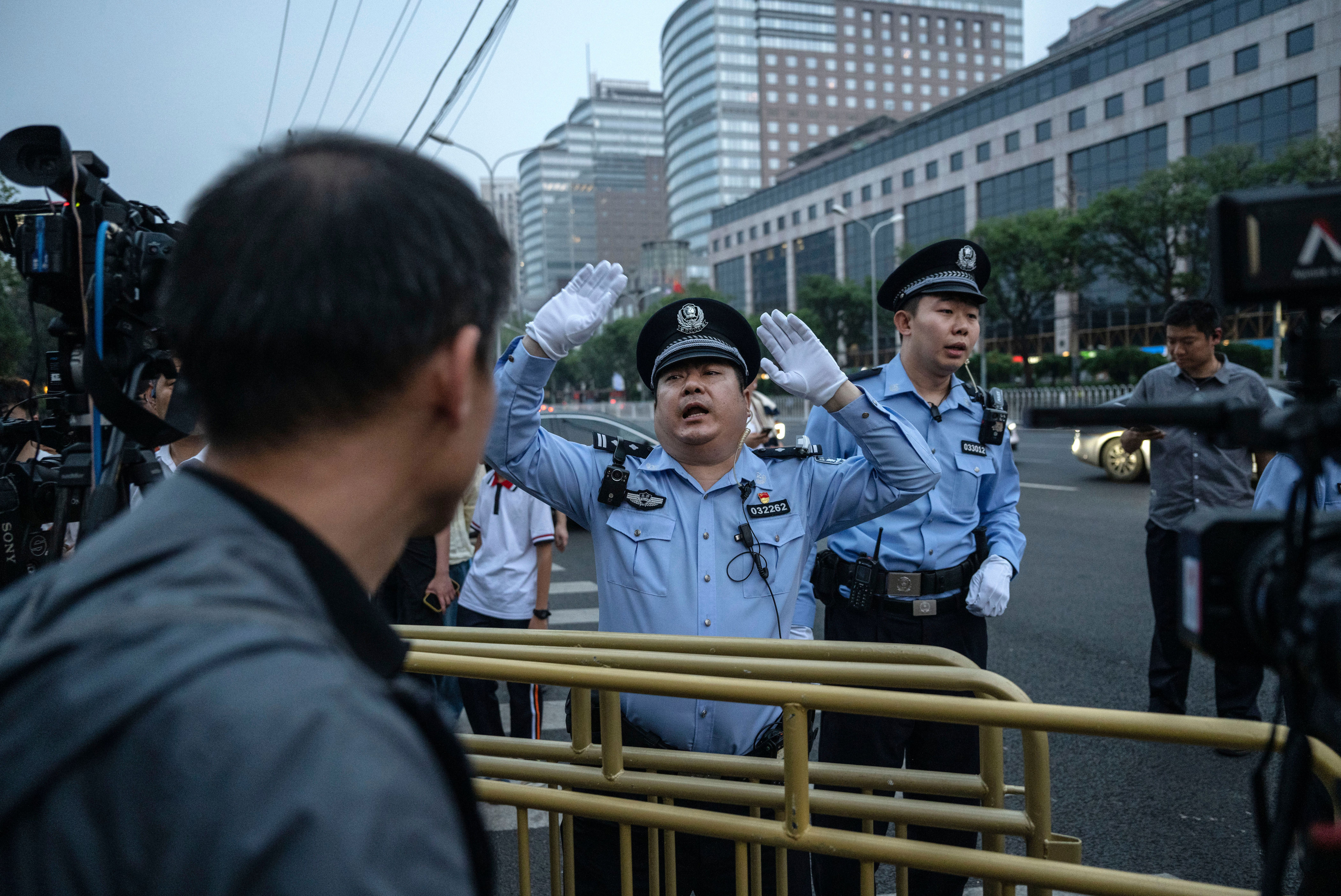
With Wang’s departure, The New York Times’ correspondent presence in mainland China has been significantly reduced, leaving only one reporter. This marks a considerable downsizing from a time when the newspaper had a dozen correspondents stationed in the country. The shrinking number of foreign journalists able to report freely from China raises concerns about the accessibility of accurate and independent information for the global community, particularly regarding the world’s second-largest economy.