New York’s Mayor Skips Pro-Israel Parade Amid Rising Antisemitism Concerns
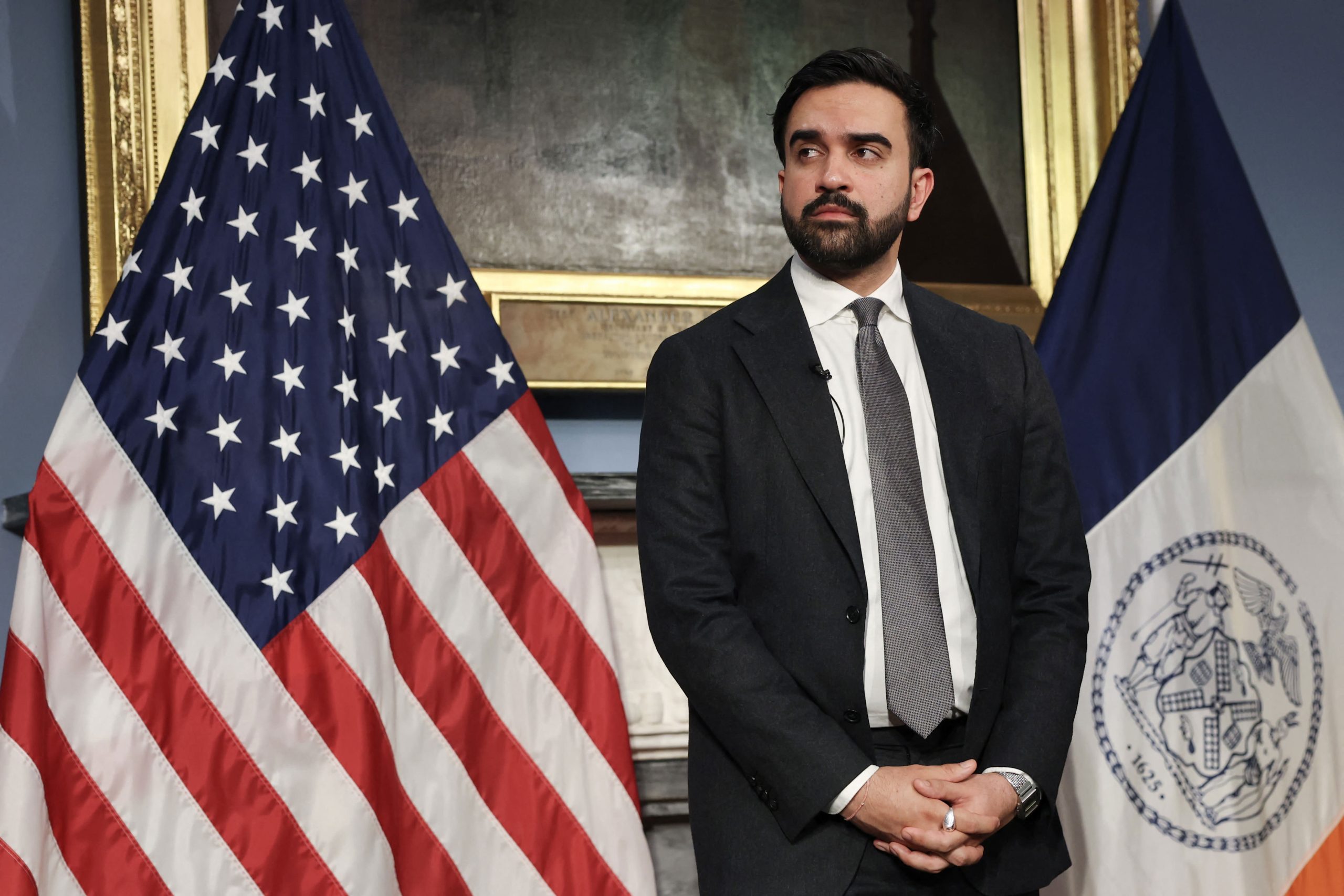
Tens of thousands are expected to march up Fifth Avenue today for Israel Day, the largest pro-Israel parade held anywhere outside of the State of Israel. For 61 consecutive years, every sitting New York City mayor has participated in this significant event. However, this year marks a notable departure, with Mayor Zohran Mamdani opting out.
While the city’s Police Commissioner, Jessica Tisch, will serve as the grand marshal, and a comprehensive security plan is in place, the Mayor’s absence from the parade is being interpreted by many as a clear statement. This decision has ignited debate and raised concerns, particularly in light of a perceived pattern of anti-Israel rhetoric and a concerning rise in antisemitic incidents across the city.
The Mayor’s stance is not a recent development. He has previously expressed support for the Boycott, Divestment, and Sanctions (BDS) movement and identifies as anti-Zionist. Upon taking office in January, he rescinded two key directives from his predecessor: one that prevented city agencies from boycotting Israel, and another that formally adopted the International Holocaust Remembrance Alliance (IHRA) working definition of antisemitism. These moves were met with strong criticism, with Israel’s Foreign Ministry labelling them as adding “antisemitic gasoline on an open fire.”
A Pattern of Contention Amidst Escalating Antisemitism
Critics argue that Mayor Mamdani’s actions should be viewed as part of a broader pattern, rather than isolated incidents. His refusal to refer to Israel as a Jewish state, his skipping of Israel’s Independence Day celebrations, and his absence from the Israel Day parade are seen as consistent with his stated positions. This comes at a time when antisemitic hate crimes in New York City have seen a dramatic surge. In January alone, antisemitic incidents rose by a staggering 183%, with 31 attacks on Jewish individuals compared to 11 in the same month the previous year.
The concern is that the city’s leader has dismantled safeguards previously put in place by his predecessor, precisely when the Jewish community faces heightened threats. Many New Yorkers, particularly within the Jewish community, are reportedly unconvinced by the Mayor’s assurances that he can oppose Israel while simultaneously supporting the city’s Jewish residents. Major Jewish organisations, including the UJA-Federation of New York and the Jewish Community Relations Council, have reportedly boycotted a Jewish Heritage Month event hosted by the Mayor.
Internal Disagreements and Strong Reactions
The situation has even caused divisions among representatives of Israel. Yaakov Hagoel, Chairman of the World Zionist Organization, extended an invitation to Mayor Mamdani to march alongside him and the thousands of Jewish participants in the parade. This invitation followed a previous outreach on Holocaust Remembrance Day, to which the Mayor reportedly did not respond. Consul General Ofir Akunis later publicly rebuked Hagoel’s invitation, stating that Hagoel lacked the standing to invite a leader who refuses to acknowledge Israel as a Jewish state.
While there are differing opinions on the best approach to engaging with Mayor Mamdani, there appears to be a unified understanding of the message his absence from the parade conveys. Rabbi Joseph Potasnik of the New York Board of Rabbis emphasised that the parade is not merely a political demonstration but a celebration of the Jewish people. Rabbi Marc Schneier was more direct, suggesting that the Mayor’s presence would be unwelcome and would tarnish a day of pride with his rhetoric.
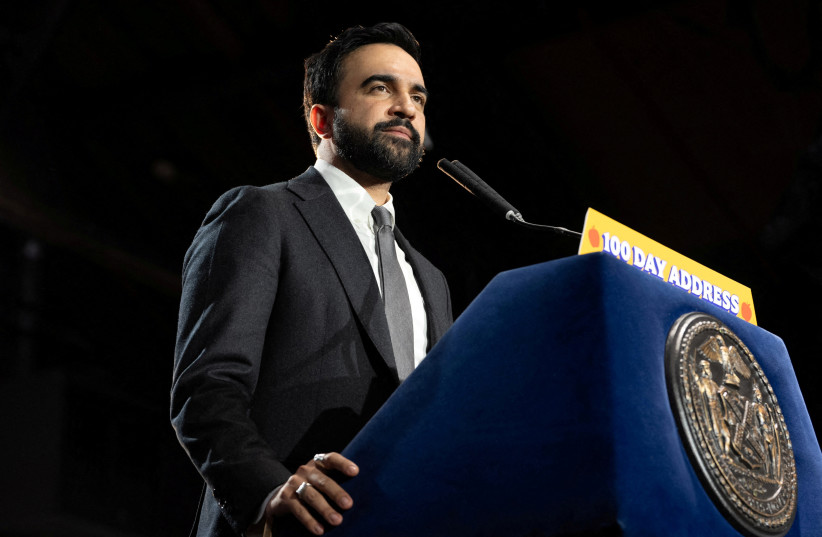
Mayor Mamdani’s approach appears to draw a distinct line between Jewish culture and Jewish statehood, and between the Jewish people and their collective right to self-determination. However, many believe this separation is artificial and untenable. Honouring the Jewish people, they argue, inherently includes respecting their national aspirations and their right to a homeland. By declining to stand with his Jewish constituents on a day of significant public celebration, a day intrinsically linked to the existence of Israel, the Mayor is seen as sending a clear and disheartening message about his views.
Assemblyman Michael Novakhov has accused the Mayor of boycotting the parade to appease extremist elements rather than standing in solidarity with New York’s Jewish population. The timeline of events, critics point out, supports this accusation: protections were removed on his first day in office, a Holocaust Remembrance Day letter went unanswered, Israel’s Independence Day was not acknowledged, and now, for the first time in six decades, the traditional space for the Mayor of New York on Fifth Avenue during Israel Day remains empty.
New York City is home to a larger Jewish population than any other city outside of Israel. These citizens are active participants in civic life, contributing through their votes, taxes, the establishment of institutions, and the raising of families. They are the individuals who will be marching with pride and displaying their flags today. They deserve a mayor who marches with them, not one who delegates the role to his police commissioner and frames it as leadership. Mayor Mamdani had a long-standing precedent of six decades and a single morning to align himself with the prevailing tradition. Instead, he chose the empty chair.