
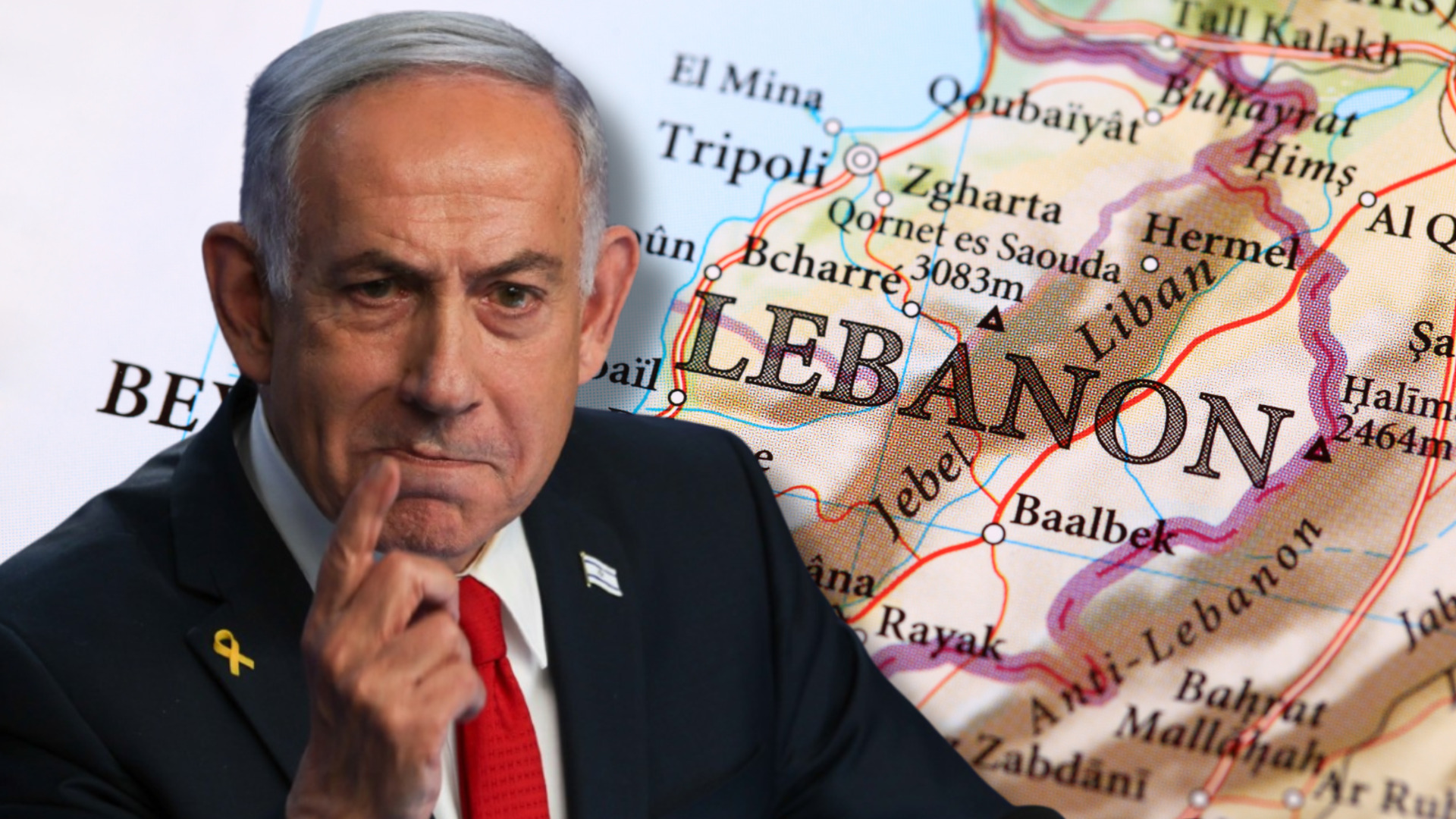
The ongoing conflict between Israel and Hezbollah has seen intensified ground operations in southern Lebanon, even as efforts for a US-backed truce extension continue. Israeli Prime Minister Benjamin Netanyahu has asserted that Israeli forces have advanced beyond the Litani River, securing what he described as “controlling positions” north of the waterway. This development signals an escalation in the ground campaign, with the Israeli military indicating a broader expansion of their operations within southern Lebanon.
Escalation in Southern Lebanon
The Litani River, a significant geographical feature in southern Lebanon, represents a key marker in the escalating military engagement. By establishing positions north of this river, Israel appears to be extending its operational reach deeper into Lebanese territory. Prime Minister Netanyahu’s statement suggests a strategic objective to gain dominance over areas north of the Litani, potentially to create a buffer zone or to disrupt Hezbollah’s operational capabilities.
The Israeli military’s confirmation of expanding ground operations underscores the seriousness of the situation. This expansion implies a multi-pronged approach, likely involving increased troop deployment, reconnaissance missions, and the potential for sustained combat operations. The stated purpose behind these preparations is to preempt and counter potential attacks originating from Lebanon, highlighting Israel’s heightened security concerns.
The conflict between Israel and Hezbollah has continued on the ground despite a US-backed truce extension.
Strategic Implications of the Litani River Advance
The Litani River has historically served as a de facto border in previous conflicts, and its crossing by Israeli forces carries significant strategic weight. For decades, the river has been a natural barrier, and gaining control of territory north of it could be aimed at achieving several objectives:
- Creating a Buffer Zone: Pushing forces north of the Litani could be an attempt to establish a more substantial buffer zone between Israel and Hezbollah strongholds, reducing the immediate threat of cross-border attacks.
- Disrupting Hezbollah’s Infrastructure: Israeli operations in these areas might target Hezbollah’s military infrastructure, including command centres, weapon depots, and launch sites for rockets and missiles.
- Securing Northern Israeli Communities: A key objective for Israel is to ensure the safety of its northern civilian population, who have been subjected to frequent rocket fire and cross-border incursions.
- Influencing Future Negotiations: The military gains on the ground could also be intended to strengthen Israel’s position in any future diplomatic or negotiation processes concerning the border dispute and security arrangements.
Israel says it is preparing for potential attacks from Lebanon.
International Concerns and Truce Efforts
Despite the intensifying ground operations, international efforts to broker a ceasefire and de-escalate the conflict remain a priority. The United States has been actively involved in mediating discussions, aiming to extend an existing truce and prevent further regional instability. However, the battlefield developments, particularly the advance north of the Litani River, pose a significant challenge to these diplomatic initiatives.
The expansion of ground operations raises concerns about the potential for a wider, more protracted conflict. Civilian populations in southern Lebanon are at increased risk, and humanitarian aid efforts could be further hampered. International bodies are closely monitoring the situation, urging restraint from all parties and reiterating the importance of protecting civilian lives.
The complexities of the situation are compounded by the interwoven nature of the conflict. Hezbollah, a powerful militant group with significant political and military influence in Lebanon, has been a consistent adversary for Israel. The current escalation suggests that the group’s capabilities and resolve are being severely tested, while Israel remains committed to neutralizing the threats it perceives.
The coming days and weeks will be crucial in determining the trajectory of this conflict. The effectiveness of ongoing truce efforts, coupled with the strategic decisions made by both Israel and Hezbollah on the ground, will shape the future security landscape of the region. The international community’s role in facilitating dialogue and ensuring adherence to humanitarian principles will also be paramount in navigating this volatile period. The continued ground engagement, marked by Israel’s stated objectives north of the Litani River, indicates that the immediate future holds significant challenges for peace and stability in the region.



Leave a Reply