Hungary’s Election: A Crucial Moment for Europe and China
Hungary’s upcoming election is being described as one of the most consequential in Europe, with major powers closely watching the outcome. The vote is seen not only as a reflection of domestic politics but also as a referendum on the country’s direction—whether it should align more with the East or the West.
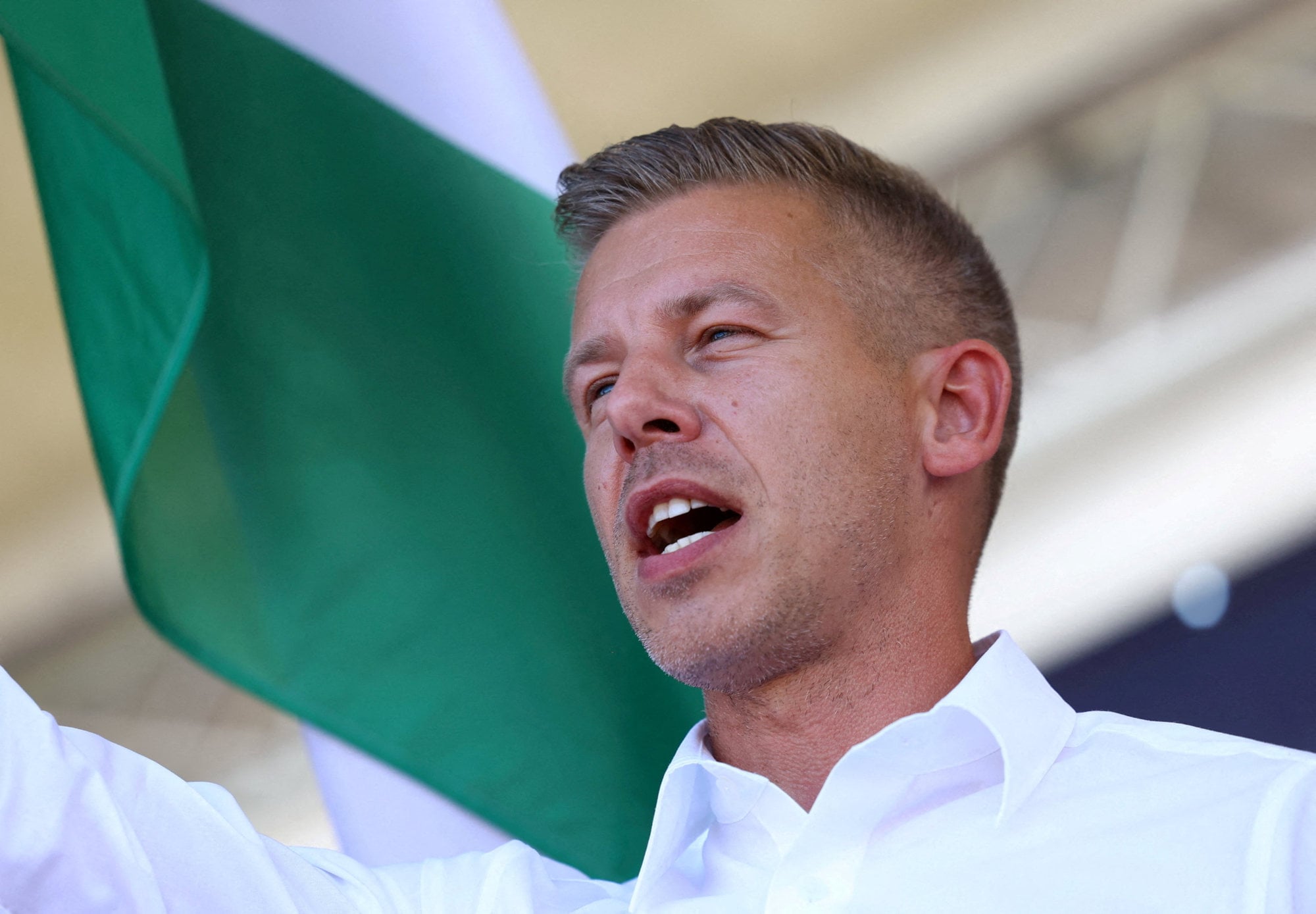
Recent polls indicate that Viktor Orbán’s Fidesz party is trailing behind Peter Magyar’s Tisza Party by between 19 and 23 points among likely voters. This significant gap has led many to view the election as a pivotal moment for the European Union, particularly in terms of how it interacts with global powers such as China, Russia, and the United States under President Donald Trump.
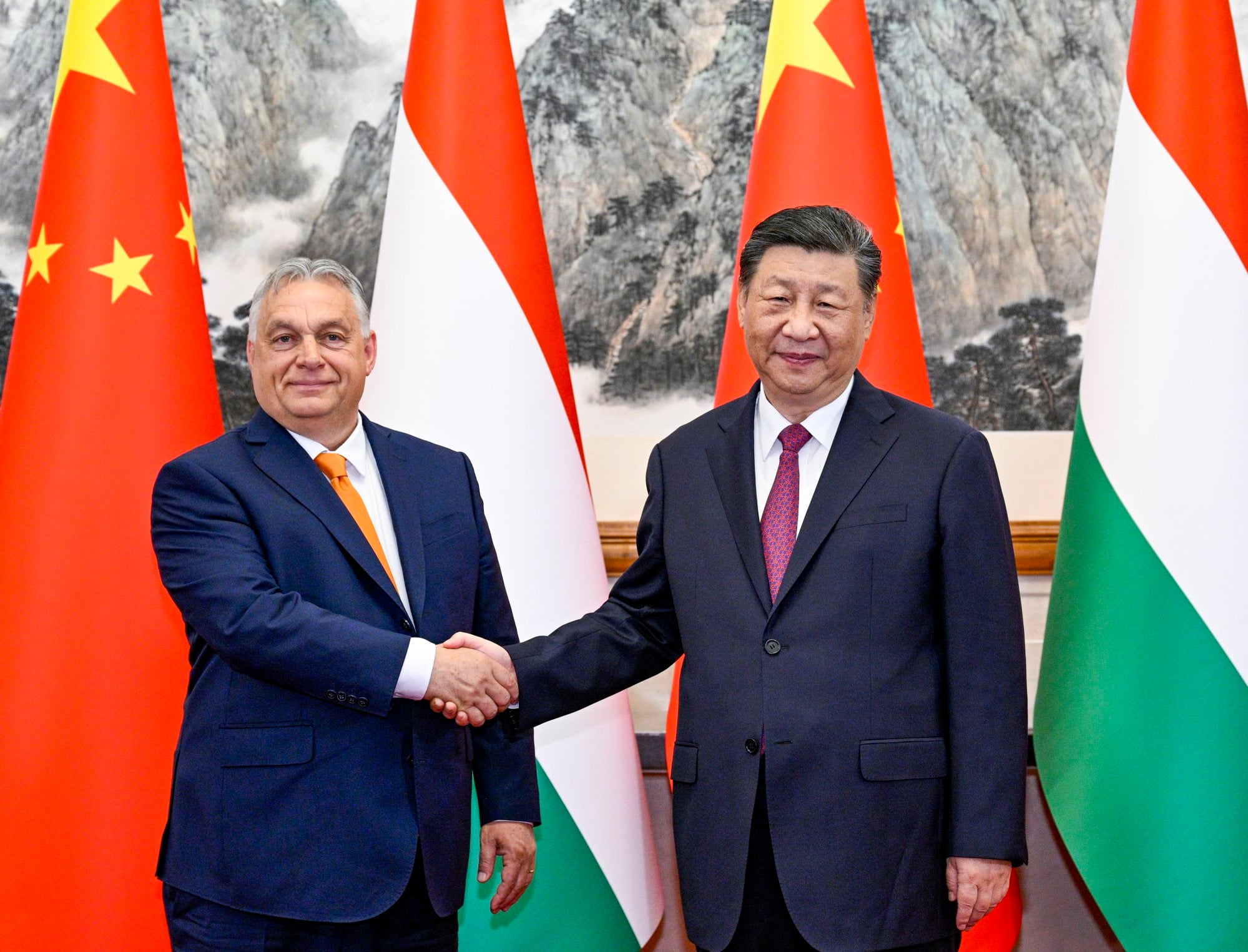
For China, an Orban defeat would mean losing a key ally within the EU. Orbán has long been a staunch supporter of Beijing, often blocking EU efforts to sanction China over human rights and political issues. His removal could weaken China’s influence in the region, even if its economic presence in Hungary remains strong.
Meanwhile, a victory for Magyar could signal a shift in Hungary’s foreign policy, potentially bringing the country closer to the EU center. This would mark a departure from Orbán’s longstanding stance of opposing EU sanctions against Russia and China, raising hopes that Budapest might adopt a more cooperative approach with Brussels.
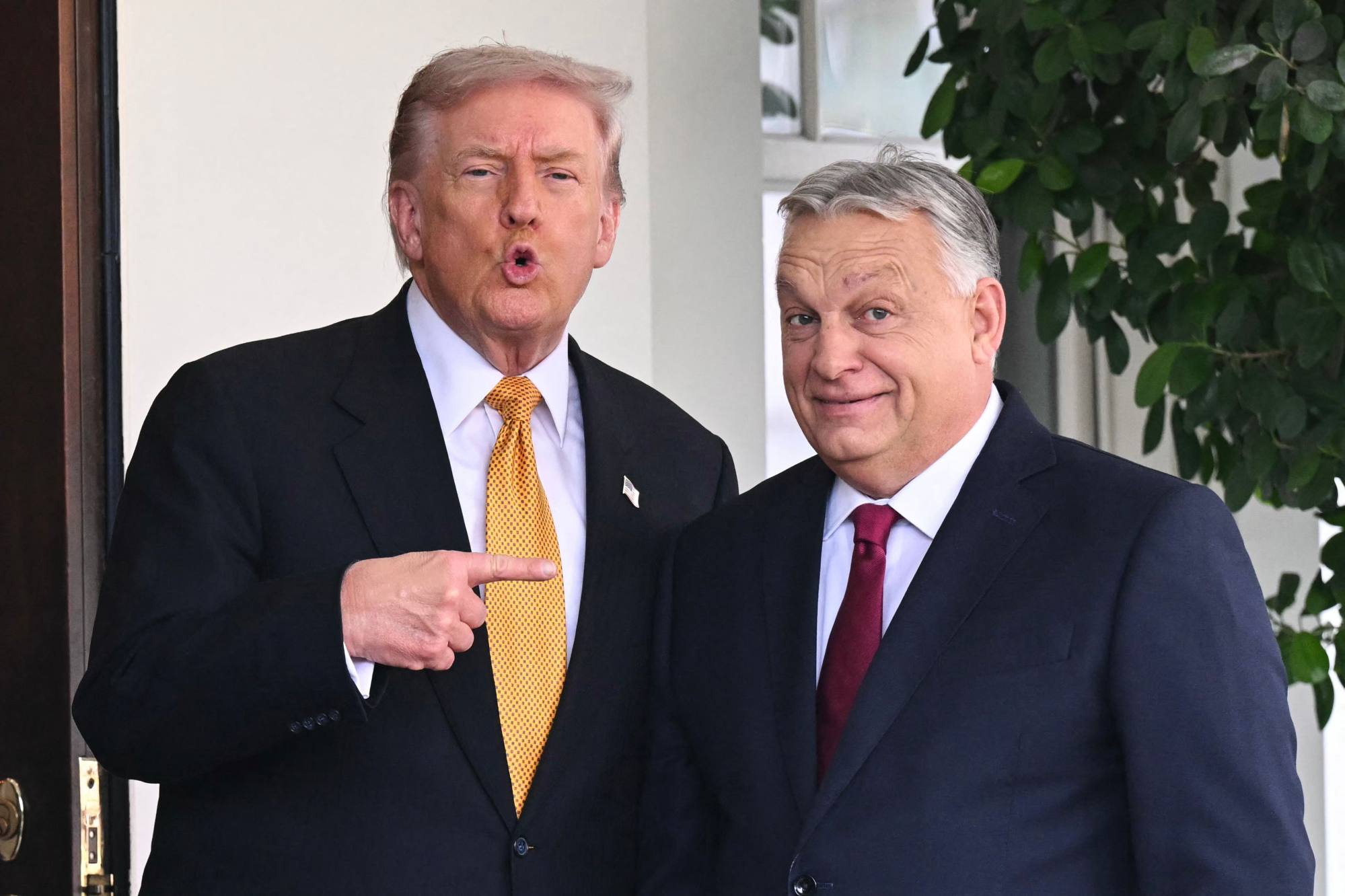
Orbán’s alignment with the US has also drawn attention, with Vice-President J.D. Vance expected to visit Hungary this week. This visit highlights the ideological ties between Orbán and the Maga movement, which has gained traction in recent years.
Tamas Matura, an associate professor at Corvinus University of Budapest, emphasized the significance of the election, stating, “Hungary is a small but proud country—people say our elections are the most consequential in Europe, and I agree.”
Beyond the immediate contest, the election could reshape China’s position in Europe. Orbán has served as Beijing’s closest ally inside the EU, shielding it from criticism and attracting billions in investment. His removal would strip China of that political foothold, even if its economic footprint in Hungary proves more durable.
“The Russians could be about to lose their closest friends in Europe. For the Chinese, a change in government means it may lose some kind of political support even if its economic positions would probably be ensured,” Matura said.
China has not featured prominently in the campaign, but close links between Orbán’s circle and the Kremlin have made international headlines. Leaked phone calls between Foreign Minister Peter Szijjarto and Russian counterpart Sergey Lavrov showed the Hungarian official agreeing to work to remove a sanctioned oligarch’s wife from EU listings.
VSquare, an investigative news portal now subject to espionage charges from Orbán’s government, reported that a three-person team had been dispatched to Budapest with the aim of securing a Fidesz victory.
The election is being pitched as a referendum on whether Hungary should lean East or West. A report from the Warsaw-based Centre for Eastern Studies (OSW) highlighted the stark contrast between Tisza and Fidesz voters, with 71% of Tisza supporters favoring a pro-Western orientation compared to just 44% among Fidesz voters.
Orbán’s friendly ties with Beijing have seen Hungary become the biggest destination for Chinese capital in Europe. In his running battles with Brussels, these Chinese investments have been pitched as an alternative to EU funds, which have been frozen in disputes over Hungary’s adherence to the rule of law.
In addition to voting against high-profile EU tariffs on electric vehicles, Orbán’s government has blocked foreign ministers’ efforts to sharpen the bloc’s sanctions against Beijing. In 2021, Hungary repeatedly blocked EU efforts to take punitive measures related to Beijing’s sweeping national security legislation and electoral reforms in Hong Kong.
As ties blossomed, Hungary has attracted investment including an electric vehicle factory by BYD and a CATL battery plant, while a railway linking Budapest with Belgrade was billed as Europe’s first belt and road project when signed in 2020. It is the only EU member to enjoy an “all-weather strategic partnership” with Beijing, second only in China’s pantheon of bilateral ties to Russia’s “comprehensive strategic partnership of coordination.”
On the campaign trail, Magyar has said little about China, although allies have hinted at a sterner policy to come. Tisza’s foreign minister designate Anita Orban, in a social media post in February, questioned the merits of her namesake’s pro-China approach, saying her government would pursue a “more pragmatic” policy.
“Hungary also needs a close economic relationship with China, but we cannot become vulnerable,” she wrote, pointing to the fact that 1.6 per cent of Hungary’s exports went to China in 2010, compared to 1.1 per cent in 2025.
The party’s manifesto pledges to prohibit “mass employment of guest workers from June 1, 2026” and to investigate heavy polluting in the battery industry following a scandal involving Korean manufacturer Samsung’s Hungarian site.
It is thought that some of the major infrastructure projects agreed with Beijing will be scrutinised if Orban loses office, amid allegations that they were agreed opaquely and involved corruption.
“For China, Hungary’s friendship has taken on outsize importance in Europe as its relations with other EU members frayed. For many other countries in the east of the bloc, Beijing’s close ties with Moscow have been a red flag, while its state-led economy has upset potential partners in its east,” said Eva Seiwert, an expert in China’s foreign policy at the Mercator Institute for China Studies in Berlin.
Orbán’s longevity, Seiwert said, dovetailed with that of Chinese President Xi Jinping, allowing them to develop “close personal relations” and for Beijing to present “Orban as a great friend of China.”