Women Who Shaped History and Politics
Throughout global history, there have been women who have left an enduring legacy of grace and strength. These women, often referred to as virtuous in religious contexts, embody values that are truly priceless. In the political sphere, they are akin to Amazons—figures whose qualities transcend traditional gender roles and inspire courage in even the most challenging circumstances.
Several notable women have emerged as exemplars of strategic thinking, resilience, and visionary leadership. Among them are leaders like Lee Kuan Yew of Singapore, Ruth Bader Ginsburg of the United States, Angela Merkel of Germany, Jacinda Ardern of New Zealand, Margaret Thatcher of the United Kingdom, and Nenadi Usman of Nigeria. These women have not only distinguished themselves in their respective fields but have also become symbols of what can be achieved through determination and integrity.
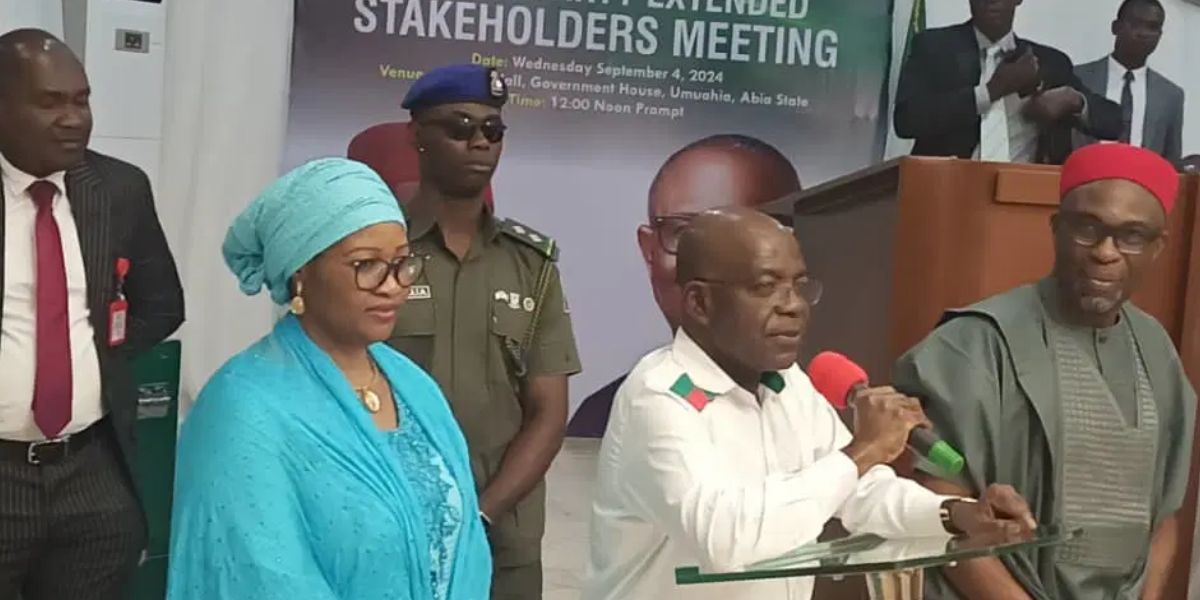
Senator Nenadi Usman has taken on a pivotal role in transforming the Labour Party into a force that serves the people of Nigeria and leads them toward tangible prosperity. Her deep empathy for the plight of refugees and displaced persons has driven her to advocate for tough decisions on this critical issue. Her transparent approach to national matters and compassionate yet straightforward communication have resonated with citizens, addressing their concerns directly.
Her prudent management of funds has earned her the respect of party members, and as the Interim National Chairperson of the Labour Party, she is focused on reclaiming the party’s position in Nigerian politics before the 2027 election. She is working to move the party away from figures like Julius Abure and his associates, leveraging her experience as a former Minister of Finance to bring stability and strategic direction.
The court’s recognition of her as the legitimate leader of the party, along with INEC’s acknowledgment, has reinforced her position without causing her to lose sight of her duties. Instead, she sees it as a call to serve with renewed vigor, focusing on unity, stability, and rebuilding the party.
As a strategic planner, she has developed an agenda to rebrand and realign the Labour Party, ensuring its values meet the needs of society and appeal to younger voters. She has prioritized internal democracy, ensuring transparency and accountability at all levels of the party. Her efforts include targeting an ambitious goal of gaining 10 million new members through grassroots mobilization.
A positive communicator, she believes in actions over words, promising transparent party congresses at every level. This commitment to leadership renewal aims to create a credible national convention that elects substantive leaders.
Her focus on grassroots lobbying and community engagement is designed to strengthen local structures and address the concerns of citizens. She has also emphasized the importance of a dynamic and people-centric manifesto, covering key issues such as economy, security, and governance.
Acknowledging the power of youth in shaping the future, Senator Usman has prioritized engaging young people through social media and involving them in decision-making processes. Her consistent life of accountability and service has demonstrated transparency and responsiveness to the needs of the people.
Her proficiency in party management has led to several reforms, resulting in increased member engagement, a more robust leadership structure, reduced conflicts, and enhanced public trust. These changes have attracted notable members of the National Assembly, signaling a shift in the party’s trajectory.
Senator Usman’s vision for the Labour Party is clear: to break barriers, challenge norms, and inspire future generations. Her leadership is seen as a beacon of hope, much like other trailblazing women in history.
Trailblazers in Global Politics
Women like Sirimavo Bandaranaike, the world’s first female Prime Minister, led Sri Lanka through turbulent times and implemented socialist economic reforms. She nationalized key industries, promoted Buddhism, and introduced Sinhalese as the official language.
Indira Gandhi, India’s first and only female Prime Minister, implemented significant economic and social reforms, including the Green Revolution. She played a crucial role in Bangladesh’s independence during the 1971 war with Pakistan.
Angela Merkel, the German Chancellor from 2005 to 2021, was known for her pragmatic leadership and influence on European politics. She navigated major crises, including the 2008 financial crash, the 2015 migrant crisis, and the COVID-19 pandemic.
Jacinda Ardern, the Prime Minister of New Zealand from 2017 to 2023, was recognized for her compassionate responses to crises like the Christchurch mosque shootings and the pandemic.
Ellen Johnson Sirleaf, Africa’s first elected female head of state, led Liberia from 2006 to 2018, promoting women’s rights and economic growth. Margaret Thatcher, the UK’s first female Prime Minister, served from 1979 to 1990, implementing radical economic changes.
Senator Nenadi Usman is emerging as a leader who could be compared to Golda Meir, Israel’s first and only female Prime Minister, who led the country from 1969 to 1974 and played a key role in international diplomacy. However, her mission is unique—winning the hearts and conscience of Nigerians and extricating the Labour Party from the grip of figures like Julius Abure.