Escalating Tensions Between the US and Iran
Tensions between the United States and Iran have reached a critical point as both sides continue to exchange threats and accusations. The situation escalated when Iran warned that the “entire region will become hell” if the US escalates the conflict further. This warning came as the frantic search for an American airman missing behind enemy lines continued.
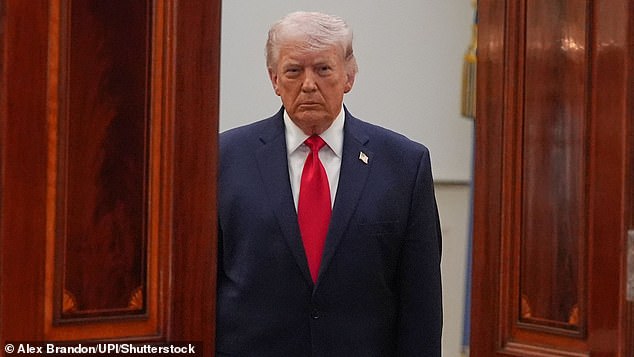
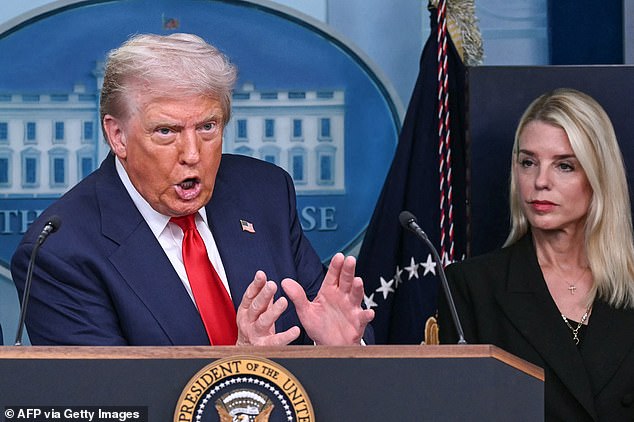
The Iranian military responded to President Donald Trump’s threat to destroy its vital infrastructure if it does not reopen the Strait of Hormuz within 48 hours. Trump, on his social media platform Truth Social, stated: “Remember when I gave Iran ten days to MAKE A DEAL or OPEN UP THE HORMUZ STRAIT. Time is running out. 48 hours before all Hell will reign (sic) down on them. Glory be to GOD!”
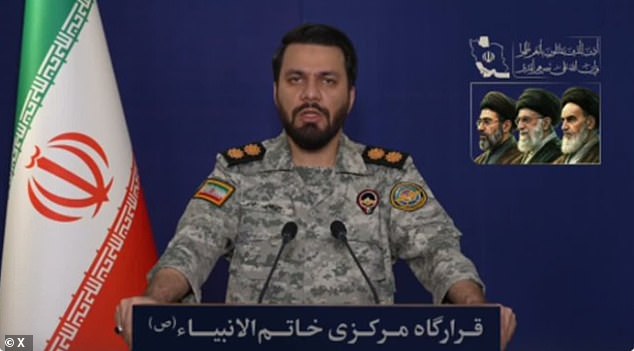
Iran’s central military command rejected the threat, with General Ali Abdollahi Aliabadi calling it a “helpless, nervous, unbalanced and stupid action.” In a statement from the Khatam al-Anbiya Central Headquarters, he warned that “the gates of hell will open” for the US if tensions escalate, echoing Trump’s language.
Search for Missing Airman Intensifies
The threats came as searches continued for a US airman who went missing after Iran shot down an F-15 warplane. The airman ejected from the jet and landed behind enemy lines. Iran has placed a £50,000 bounty on his head. The U.S. and Israel have stepped up pressure on Tehran to reopen the strategic waterway or face strikes on its energy infrastructure, while Iranian and US forces searched for a missing American crew member from one of two downed warplanes.
Trump, who has sent mixed messages since the conflict began with a joint US-Israeli bombardment of Iran on February 28, said his latest deadline for a deal to end the war was fast approaching. His messaging has veered between hinting at diplomatic progress and threatening to bomb the Islamic Republic “back to the Stone Ages.”
Israel Prepares for Potential Strikes
In an apparent move to heap further pressure on Tehran, a senior Israeli defense official said Israel was preparing to attack Iranian energy facilities and was awaiting the green light from the U.S. The timeframe for such attacks would be within the next week, the official said. Trump has previously threatened to hit Iranian power plants if his demands were not met.
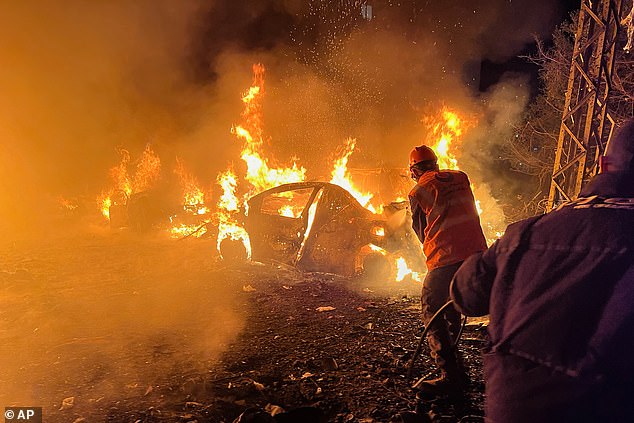
Washington faced heightened stakes as the conflict entered its sixth week, with the prospect of a U.S. service member alive and on the run in Iran, slim chances for peace talks, and polls showing low public support for the war.
Diplomatic Efforts and Defiance
With Iran’s leadership defiant since the start of the conflict, its foreign minister left the door open in principle for peace talks with the U.S. via mediation from Pakistan, but gave no sign of Tehran’s willingness to bow to Trump’s demands. “We are deeply grateful to Pakistan for its efforts and have never refused to go to Islamabad. What we care about are the terms of a conclusive and lasting END to the illegal war that is imposed on us,” Foreign Minister Abbas Araqchi said on X.
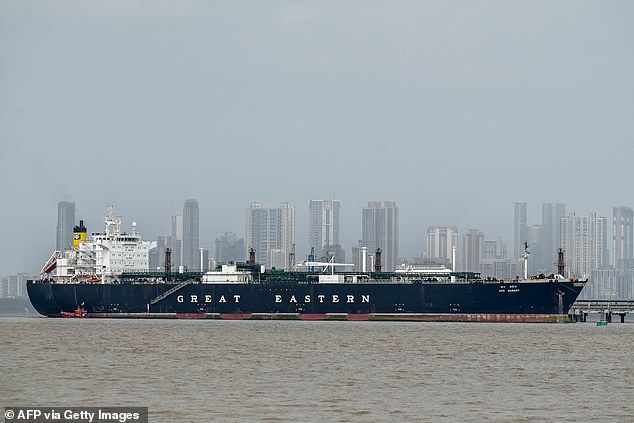
The war has killed thousands, sparked an energy crisis, and threatened lasting damage to the world economy. Iran has virtually shut the Strait of Hormuz, which normally carries about a fifth of the world’s oil and liquefied natural gas.
International Reactions and Economic Impact
Iran has rained drones and missiles down on Israel and also taken aim at Gulf countries allied to the U.S., which have so far held back from joining the war directly for fear of further escalation. Trump’s threat, which included a misspelling in his Truth Social post, came as tensions mount over the vital shipping route, a key artery for the global oil trade.
He initially set a deadline for late March before extending it to April 6 at 8pm ET after Iran requested more time. If the deadline lapses, he has said he is willing to resume bombing Iran’s energy infrastructure.
Lindsey Graham, a close Trump ally and long-time Iran hawk, said he backed the ultimatum after what he described as a conversation with the president. “A massive military operation awaits Iran if they choose poorly,” he said.
Economic and Political Consequences
Trump’s eagerness to get the Strait of Hormuz open comes as gasoline prices skyrocket in the United States and across the world. According to AAA, the average gas price in the US is $4.10 per gallon, a 37 percent increase since before the war began, when it was just below $3 per gallon.
According to a survey by the Associated Press and the NORC Center for Public Affairs Research, the majority of Americans feel the war in Iran has gone too far. Other polls show even Republicans are increasingly souring on the latest campaign in the Middle East. Many GOP voters gave Trump a second term at least in part because of his repeated promises that he would not start new wars.
Trump gave an address to the nation on Wednesday, reiterating claims that the US has significantly degraded Iran’s missile-launching capabilities. “Their navy is gone. Their air force is gone. Their missiles are just about used up or beaten. Taken together, these actions will cripple Iran’s military, crush their ability to support terrorist proxies and deny them the ability to build a nuclear bomb,” Trump said.
Contrary to Trump’s claims that Iran’s arsenal had been severely set back, US intelligence sources told Reuters that two-thirds of Iran’s missiles are intact. And two days after Trump’s speech, during which he said America’s operational objectives were close to being met, a US fighter jet was shot down over Iran. It was an F-15E fighter jet, which had two crew members onboard. They both ejected from the aircraft, and one has been recovered alive. The other has not been found by search-and-rescue teams.