Asia’s Energy Vulnerability: A Looming Crisis Beyond Market Speculation
For the second consecutive year, Asia finds itself grappling with heightened vulnerability to global economic disruptions. The region’s external dependencies have cast a shadow over its economic outlook, particularly in the wake of escalating global energy concerns.
Early in the previous year, analysts expressed apprehension regarding Asia’s substantial reliance on exports to the United States. Reports indicated that a significant portion of the top ten countries with the largest trade surpluses with America were located in Asia, placing them squarely in the potential crosshairs of trade policy shifts. Furthermore, key economies like Taiwan, South Korea, and Japan derived a considerable percentage of their corporate revenues from the US market, highlighting their interconnectedness.
However, by the close of that year, the narrative began to shift. Some financial institutions noted a surprising resilience in Asian economies. A confluence of factors contributed to this perceived reprieve:
- President Trump’s tendency to recalibrate trade policies in response to economic and market pressures.
- Asia’s position as a major beneficiary of the boom in artificial intelligence (AI), which stimulated technological exports and investment.
- China’s strategic management of its rare earth supply chain, which provided a degree of leverage in global trade dynamics.
These elements combined to create an environment where Asia seemed to have “dodged a bullet,” with growth projections remaining relatively robust despite earlier concerns.
The Escalating Energy Shock: A More Severe Threat
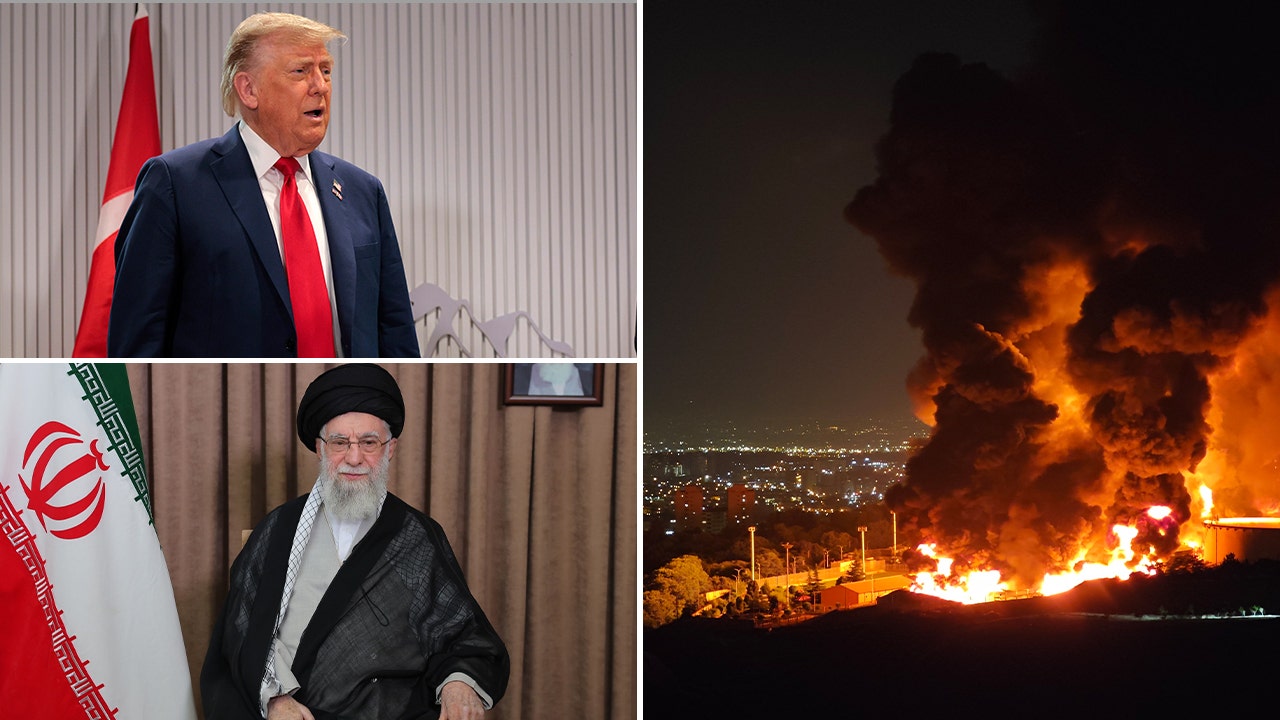
The current geopolitical landscape, however, presents a far more formidable challenge. The energy shock triggered by the conflict in Iran is proving to be significantly more severe and carries the potential for lasting damage to Asian economies. This is due to the region’s profound dependence on energy imports flowing through critical chokepoints.
- Strategic Sea Lanes: Prior to the recent escalation, a substantial percentage of oil and liquefied natural gas (LNG) destined for major Asian economies, including China, India, Japan, and South Korea, transited through the Strait of Hormuz. This reliance makes the region acutely susceptible to disruptions in this vital waterway.
Financial analyses underscore the gravity of this situation. Reports have characterized the supply shock as “unambiguously bad for Asia.” With virtually every significant economy in the region being an oil importer, the surge in energy prices poses a direct threat to economic stability. This price volatility complicates, and in more adverse scenarios, could completely derail, the otherwise positive economic outlook that many Asian nations had anticipated.
Market Optimism vs. Policymaker Realities
Despite the stark economic realities, many investors remain optimistic, betting that a protracted conflict leading to severe energy price hikes and a return to 1970s-style stagflation will be averted. This optimism is largely predicated on the belief that President Trump’s actions are more predictable than commonly perceived. Recent indications suggesting a desire to de-escalate the conflict have bolstered this sentiment, leading to a market phenomenon often dubbed “Trump always chickens out” (Taco).
While it is true that market sentiment can be influenced by perceived presidential tendencies, relying on such assumptions to navigate a crisis of this magnitude carries inherent risks. The complexities of international conflict resolution, especially when vital energy supplies are at stake, involve numerous stakeholders and unpredictable variables. Unlike previous trade disputes, the resolution of this conflict will likely be determined by the tangible flow of goods, particularly oil tankers, rather than rhetorical pronouncements.
Iran’s Strategic Leverage and Asia’s Exposed Fragility
Iran’s strategic position, particularly its control over key energy transit routes, has been underestimated. The regime, fighting for its survival, has demonstrated an ability to disrupt global energy markets, creating significant pressure on major powers. This leverage fuels the “Taco” trade, as markets anticipate a de-escalation. However, this perspective often overlooks the broader implications for Asian economies.
Several factors contribute to the unease among Asian policymakers, despite market optimism:
- The Risk of a Protracted and Messy Conflict: Iran’s ability to threaten vital shipping lanes, even with limited resources, is a significant concern. Occasional drone strikes on tankers, well within its capabilities, can spook markets and disrupt supply chains, creating ongoing uncertainty.
- Pre-existing Damage and Shortages: The disruption of energy flows from the Gulf has already led to tangible shortages of oil and refined petroleum products in several Asian countries. Southeast Asia, with its limited domestic refining capacity, is particularly vulnerable. Prolonged supply shocks could necessitate drastic measures, including restrictions on economic activity, to conserve energy.
- Exposed Energy Dependence: The crisis has brutally exposed Asia’s fundamental vulnerability: a failure to diversify energy sources and boost domestic production. With the exception of China, the region remains heavily reliant on imports from the Middle East. This dependence leaves Asia exposed to geopolitical risks and price volatility.
The sudden emergence of energy-related fragilities within the AI supply chain could also have a chilling effect on investor sentiment towards Asia’s tech sector. Countries like South Korea, with its already frothy stock market, are particularly susceptible to sell-offs if energy security concerns escalate.
Last year, Asia benefited from a degree of luck, partly due to the nature of the trade disputes. However, the damage inflicted on global energy markets by the current crisis is likely to be far more profound and difficult to rectify. The region requires more than just a repeat of past fortunes; a robust and sustainable strategy to address its energy vulnerabilities is urgently needed.