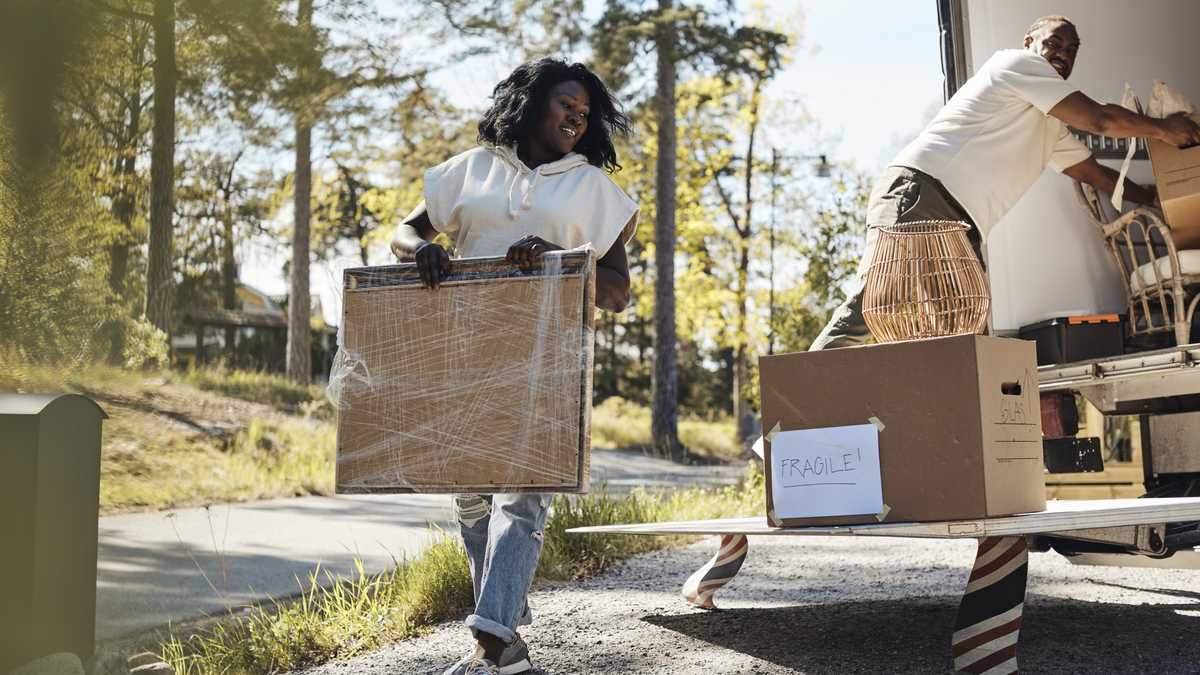
The dull thud of a suitcase hitting the pavement was the first sound that registered, followed by an internal implosion. “Careful, James, that one has the plates,” Wambo’s voice chimed, laced with an unnerving casualness. My grip on the gate tightened, knuckles white, breath snagged in my throat. Across the street, James was there. Not thinner, not broken. Just… present. Alive.
Two years of agonizing silence, and he was here, unloading boxes as if he’d merely stepped out for a brief errand. “Sharon?” a neighbour’s hushed query drifted from behind me. “Isn’t that…?” The words caught, lost in the ringing in my ears. Wambo moved closer to him, a casual brush of dust from his sleeve. “We’ll put the sofa by the window, yeah?” He nodded, an easy, familiar gesture. “Yeah. That works.” The exchange was so seamless, so ingrained, it felt as though they had always been this unit.
A chilling hollowness spread through my chest, the carefully buried grief clawing its way back to the surface. I had mourned him. And now, he was building a new life, with my best friend.
My name is Sharon, and two years ago, my husband vanished. No note, no call, just an abrupt void. Before that, subtle cracks had appeared. “I’m just tired,” James would murmur, rubbing his temples. “Everything feels heavy lately.” I would place my hand over his, offering reassurance I wasn’t sure I possessed. “We’ll figure it out. We always do.” His nods were distant, his eyes lost somewhere beyond my reach.
Financial strain had been a constant companion, and the weight of familial expectations pressed down on him. “I feel like I’m failing you,” he confessed one evening, his voice barely a whisper. “You’re not,” I insisted, clinging to the belief that we were a team. “We’re in this together.” The night he left, nothing seemed out of the ordinary. A quiet dinner, discussions about bills, and then he went to bed. By morning, his side of the bed was cold, his clothes gone, and so was he.
The house became a tomb of silence, the air thick and stagnant. My calls to his phone went unanswered, each ring a fresh stab of anxiety. “Maybe he just needs space,” Wambo offered gently, her hand a warm, steady presence on my shoulder. She had arrived the moment I’d told her. “He wouldn’t just leave,” I choked out. “People break in ways we don’t always see,” she replied, her grip tightening.
Days bled into weeks, then months. The incessant questions – “Any news?” “Have you heard from him?” “Did you fight?” – became a familiar ache. I learned to communicate with a shake of my head. Church prayers were offered, and concerned relatives slowly morphed into a chorus of judgment. “He should have stayed,” one aunt declared. Wambo, however, consistently defended him. “He was under pressure,” she insisted. “You don’t know what he was going through.”
I had been grateful for her unwavering support. On sleepless nights, she would sit with me, our conversations a deliberate diversion from the void he left. “You think he’s okay?” I once asked, my voice raw. A fractional hesitation preceded her reply: “I think he’s trying to be.” There was an unspoken undertone I couldn’t decipher, but exhaustion dulled my curiosity. Gradually, the hope of his return dwindled. He was gone. Not dead, not alive, just… gone. And I learned to navigate life around that profound absence.
The moving truck arrived on a languid afternoon, its presence a ripple of curiosity in the quiet street. Neighbours emerged, feigning casualness while their eyes devoured the scene. I stepped outside too, wiping my hands on my dress, seeking a semblance of normalcy. New neighbours offered a momentary distraction. Then I saw him.
The initial shock was a cognitive dissonance. My mind struggled to reconcile the figure on the street with the ghost I had long since buried. He lifted a suitcase with a familiar, fluid motion. My breath hitched. No. It couldn’t be. But it was. As James straightened, turning slightly, the late afternoon sun illuminated his features, sharp and undeniably real. A wave of heat washed over me, then receded, leaving a chilling emptiness. My heart hammered against my ribs, drowning out the hushed murmurs of the onlookers. “Is that him?” someone whispered. “I thought he disappeared,” another voice replied. I was frozen.
The passenger door of the truck opened, and Wambo emerged, shielding her eyes from the sun. “Let’s get the smaller boxes first,” she called out. James nodded. “Yeah, easier to sort.” Their voices blended with an effortless synchronicity that felt deeply unsettling. My stomach churned. I took an involuntary step forward. The crunch of gravel under my feet was jarring in the sudden stillness of my being. Wambo looked up. Our eyes met. For a suspended moment, time ceased to flow. Her expression shifted – surprise, then something else, unidentifiable. “Sharon…” she breathed.
James turned at the sound of my name. His face stilled, not with shock, but with a quiet resignation, as if this encounter had been an inevitable inevitability. “Hi,” he said. Two years. And that was his greeting. My throat constricted. “Hi?” The word was a raw shard of disbelief. He shifted his weight, his gaze briefly flicking to Wambo.
“We were going to talk,” he offered. “When?” I countered, the question laced with bitter irony. “After you finished moving in?” The silence that stretched between us was deafening, punctuated only by the distant, cruel laughter of a child. “It’s not what it looks like,” Wambo interjected, her voice too quick, too earnest. A hollow laugh escaped me. “Then tell me what it is,” I challenged. Neither of them spoke. The silence pressed in, heavy and suffocating. A breeze carried the scent of dust and warm metal, churning my insides. The neighbours remained, their gazes fixed, their curiosity a palpable force. “This isn’t the place,” James said finally. “Really?” I retorted, my voice gaining a dangerous edge. “Because you chose the perfect place to return.” A flicker of discomfort crossed his face. Wambo stepped forward. “Sharon, please. Let’s talk inside later.” Inside. Their inside. I searched her face, seeking the friend I knew, but found only a stranger.
“How long?” I asked, my voice barely a whisper. Her lips parted, but no words emerged. James averted his gaze. The answer was an unspoken indictment. My chest tightened with a sharp, physical pain. The ground felt unstable beneath my feet. “You should go,” James said, his tone gentle, as if I were the intruder. I nodded, a slow, reluctant surrender. “Yeah,” I whispered. “I should.” I turned away before the dam of my composure could break. Each step back towards my house felt like a lead weight dragging me down. The sounds of boxes being moved behind me echoed like a final, irrevocable closing. For the first time in two years, I understood a pain far worse than his absence: seeing him again, alive, and no longer mine. I retreated indoors, watching shadows dance across the house opposite, their house. Lights flickered on, casting a warm, ordinary glow. Faint laughter drifted on the wind, a sharper sting than any silence. Then, my phone buzzed. Wambo. I stared at her name until the screen faded. It buzzed again: We need to talk.
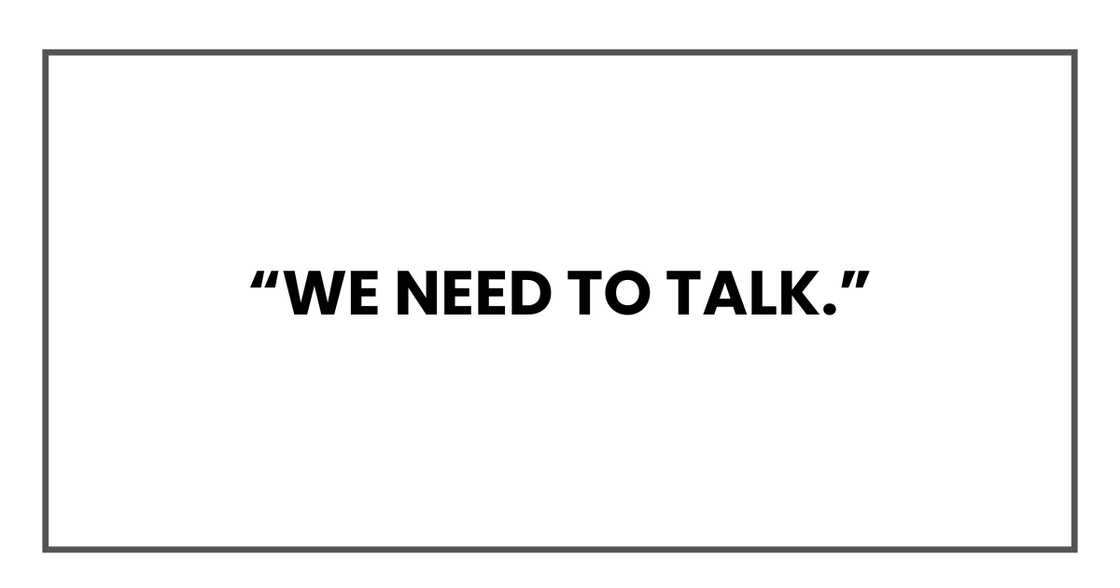
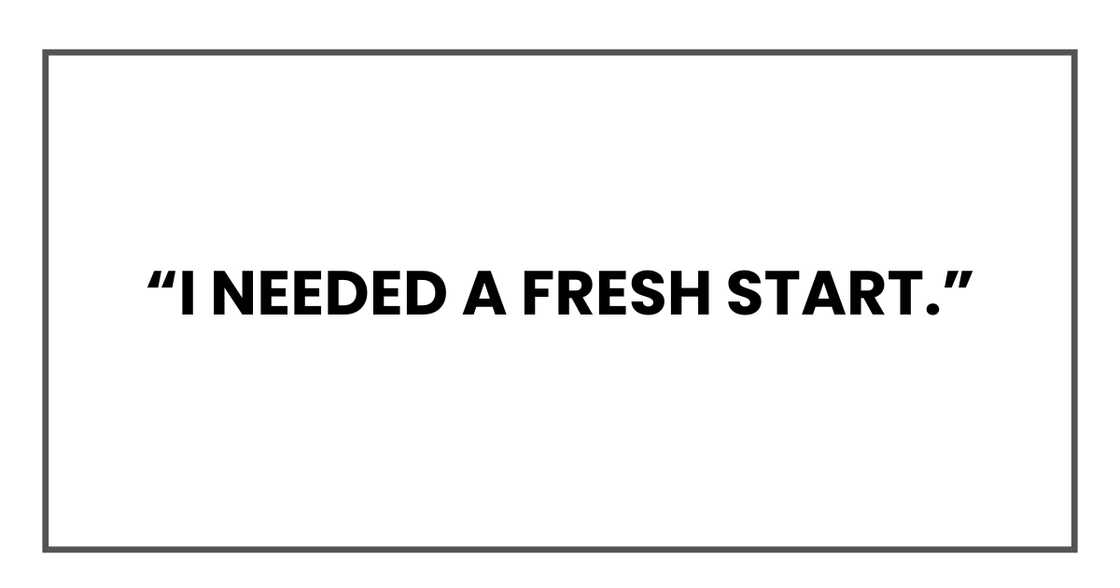
A slow breath escaped me, my chest tight. Before doubt could take root, I typed back: Now. The reply was immediate: Come over. My hands trembled as I rose. The walk across the street felt interminable, each step a deliberate, heavy beat. The air was cool, carrying the scent of evening dust. I reached the door and knocked once, firmly. It opened to reveal Wambo, her expression unreadable. We stood in silence for a beat. Then, I stepped inside. The house smelled new, a clean, floral scent that felt alien. James was in the living room, adjusting a picture frame. He turned. “Sharon,” he said quietly. I folded my arms, a grounding gesture. “Where have you been?” The question hung, sharp and unavoidable. He exhaled, rubbing the back of his neck. “I needed a fresh start,” he said. My jaw tightened. “A fresh start? You disappeared.” “I didn’t know how to leave properly,” he admitted.
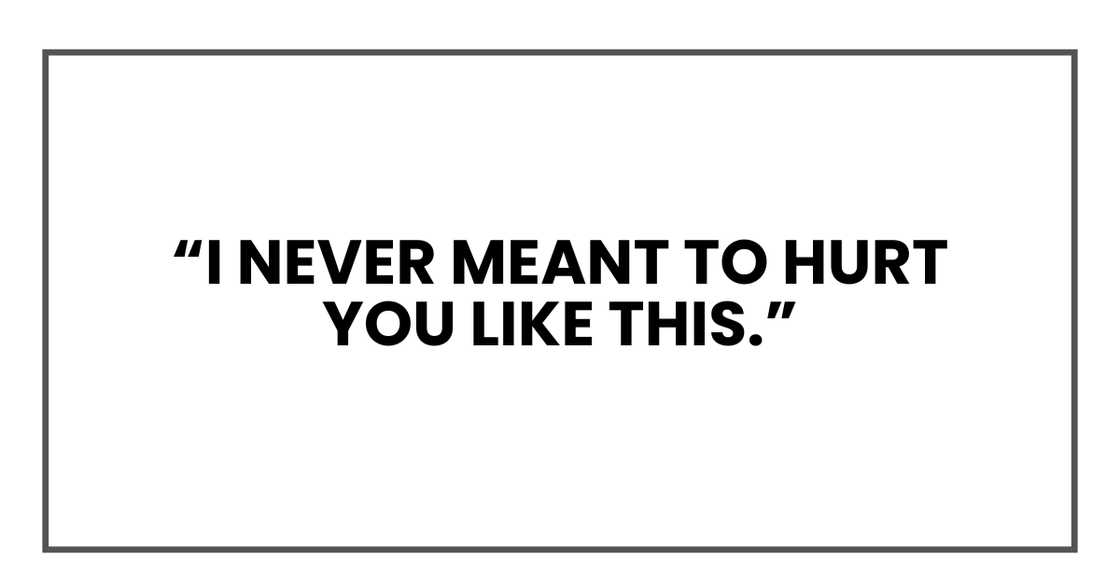
The words landed with a dull thud, devoid of the impact they should have carried. Wambo moved closer, her voice calm but firm. “It wasn’t planned,” she stated. “We didn’t mean for it to happen like this.” I turned to her. “When did it start?” A telling hesitation. “After he left,” she finally replied. I held her gaze, searching. “And before?” I pressed. Silence. James looked away. Wambo’s lips parted, then closed. The answer was in that silence. Heavy. Final. My chest tightened, yet a strange clarity settled within me. “You sat with me,” I said softly. “Every night.” Her eyes flickered. “I know,” she whispered. “You defended him,” I continued. “I thought I was helping,” she said quickly. I shook my head. “No,” I said. “You were protecting something.” Neither denied it. The room felt smaller, the air thicker. Even the hum of electricity seemed amplified. James stepped forward slightly. “I never meant to hurt you like this,” he said.
A bitter smile touched my lips. “Then how did you mean to do it?” He offered no answer. I exhaled slowly, the tension within me shifting, not dissipating, but transforming. “I waited for you,” I said, my voice steady. “I defended you too.” James’s shoulders sagged slightly. “I know,” he said. “No,” I replied. “You don’t.” Silence descended again, but this time it was revealing, not suffocating. I surveyed the room, the carefully arranged furniture, the nascent shared space. “You said you needed a fresh start,” I said. James nodded. “Yes.” “With her?” I asked. He hesitated. “It just happened,” he said. I breathed out quietly. Nothing about this felt like an accident. “Did you plan to come back?” I asked. He frowned slightly. “Not at first.” “Then why here?” His eyes flickered to Wambo before returning to me. “She lives here,” he said. The sheer simplicity of it was more devastating than any elaborate excuse. Wambo crossed her arms, her tone defensive. “We didn’t think you’d still be here.” I paused. “What?”

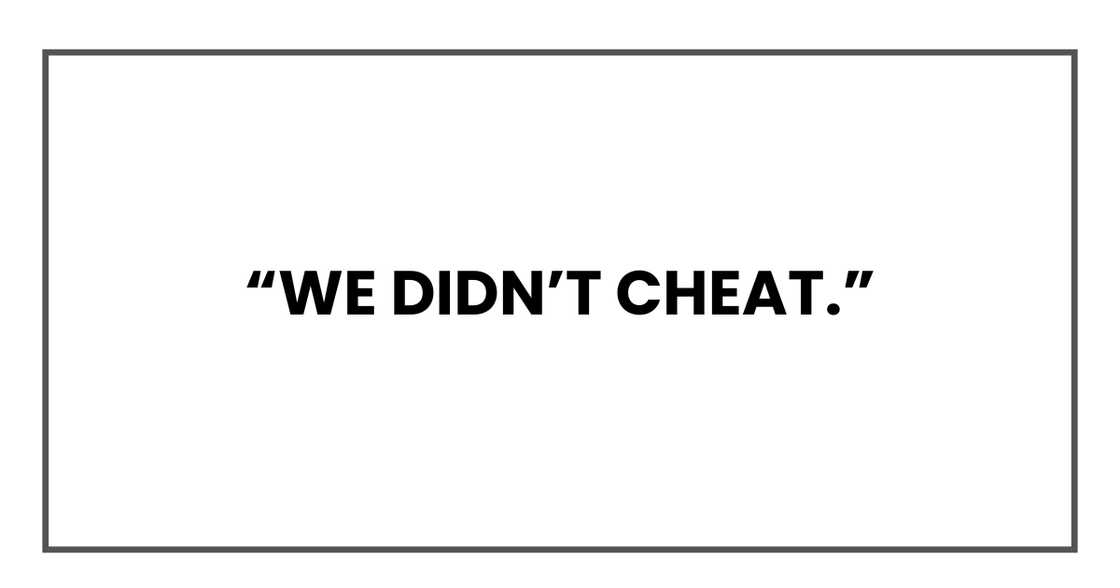
She shifted. “You said you were moving on,” she continued. “You stopped asking about him.” Disbelief bloomed slowly. “So that made it easier?” “That’s not what I meant,” she said quickly. “But it’s what you did,” I replied. James ran a hand through his hair. “We thought it would be better if we just… started over quietly.” “Across the street?” I asked. He remained silent. Of course. The truth was far simpler than they wished to articulate. They hadn’t anticipated facing me – not like this, not directly. I stepped closer, my voice low but firm. “You didn’t just leave,” I said. “You erased yourself.” James swallowed hard. “I didn’t know how to handle everything,” he said. “And this is handling it?” He flinched. Wambo intervened. “We care about each other,” she stated firmly. “That doesn’t make it right,” I countered. Her expression hardened. “We didn’t cheat,” she declared. I met her gaze. “You didn’t need to,” I answered quietly.
The ensuing silence felt different, less painful, more illuminating. Because now, I understood something I hadn’t before. This wasn’t merely about betrayal. It was about choices – repeated, deliberate, and my utter exclusion from all of them. I didn’t shout. I didn’t weep before them. They didn’t deserve that version of me. Instead, I nodded once, slow and deliberate. “Take care of your fresh start,” I said, my voice calm, almost detached. James looked as though he wanted to speak, but didn’t. Wambo shifted uncomfortably. “Sharon—” I raised a hand slightly. “No,” I said. “It’s fine.” And for the first time, I meant it. I turned and walked out. The night air was cool and grounding against my skin. I inhaled deeply, the scent of dust and distant cooking fires filling my lungs. It steadied me.
Days turned into weeks. The neighbourhood hummed with its usual gossip, whispers travelling faster than truth. “Did you see them?” “Can you believe it?” “Are you okay?” I stopped answering. Stopped explaining. Stopped defending a narrative that was no longer mine. When Wambo attempted to visit, I didn’t open the door. When James waved once from across the street, I looked past him. Not out of anger, but out of newfound clarity. I focused on my own life: work, bills, structure. Slowly, things began to steady. Not perfectly, but enough. The house across the street became just that – a house. Not a wound. Not a memory I kept picking at. Occasionally, I saw them through the window, talking, living, existing. And each time, it mattered less. What I had lost wasn’t just a husband; it was an illusion. Once that shattered, there was nothing left to cling to.
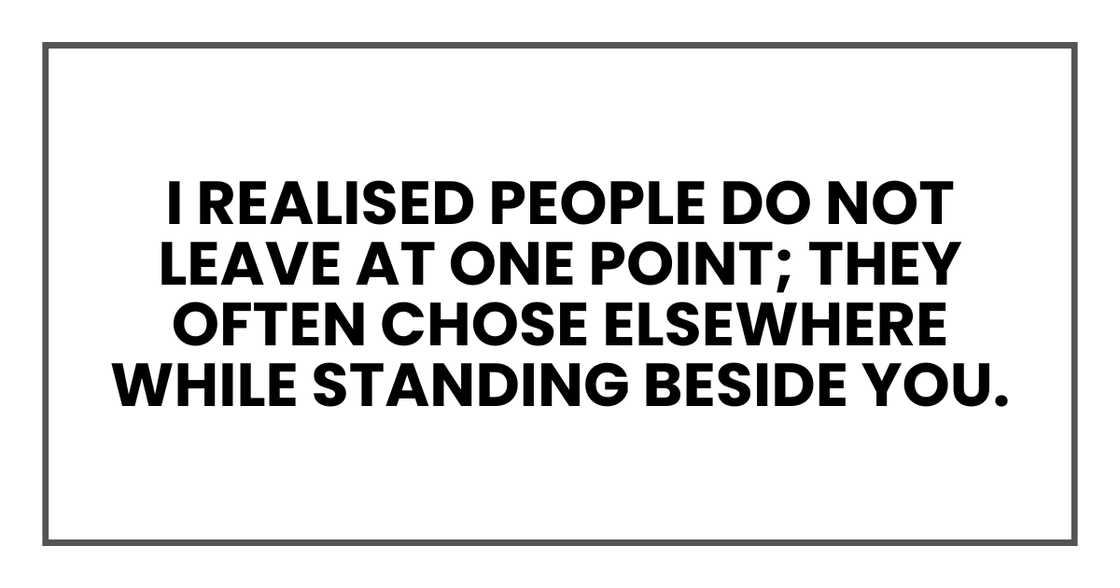
It took me a long time to comprehend what truly broke me. It wasn’t his disappearance, nor was it seeing him with someone else. It was realizing how readily I had carried him in his absence. I filled the silence with excuses, softening the truth to protect who he was no longer. I understood that people don’t leave at a single moment; they often choose another path while standing right beside you.
But clarity possesses a remarkable power to liberate. It is agonizing at first—sharp and undeniable—yet steady in its honesty. I learned that closure doesn’t always arrive with answers; sometimes, it comes from seeing people precisely as they are, without preamble or apology. Once you embrace that truth, the waiting ceases. You stop yearning for what will never return and begin choosing yourself in ways you should have all along. I no longer needed to decipher their motives, for their choices spoke volumes. What mattered was my next step—what I allowed, what I carried forward, and what I finally released. So now, whenever doubt surfaces, I ask myself: how long should one hold onto someone who already chose to leave, even before they walked away?
This narrative is inspired by the real experiences of our readers. We believe that every story holds a valuable lesson that can illuminate the path for others. To safeguard the privacy of individuals, our editors may alter names, locations, and specific details while preserving the core authenticity of the story. The images provided are for illustrative purposes only. If you wish to share your own experience, please contact us via email.