Singapore Proposes New Model for Global Cooperation, Eyes China’s Leadership Role
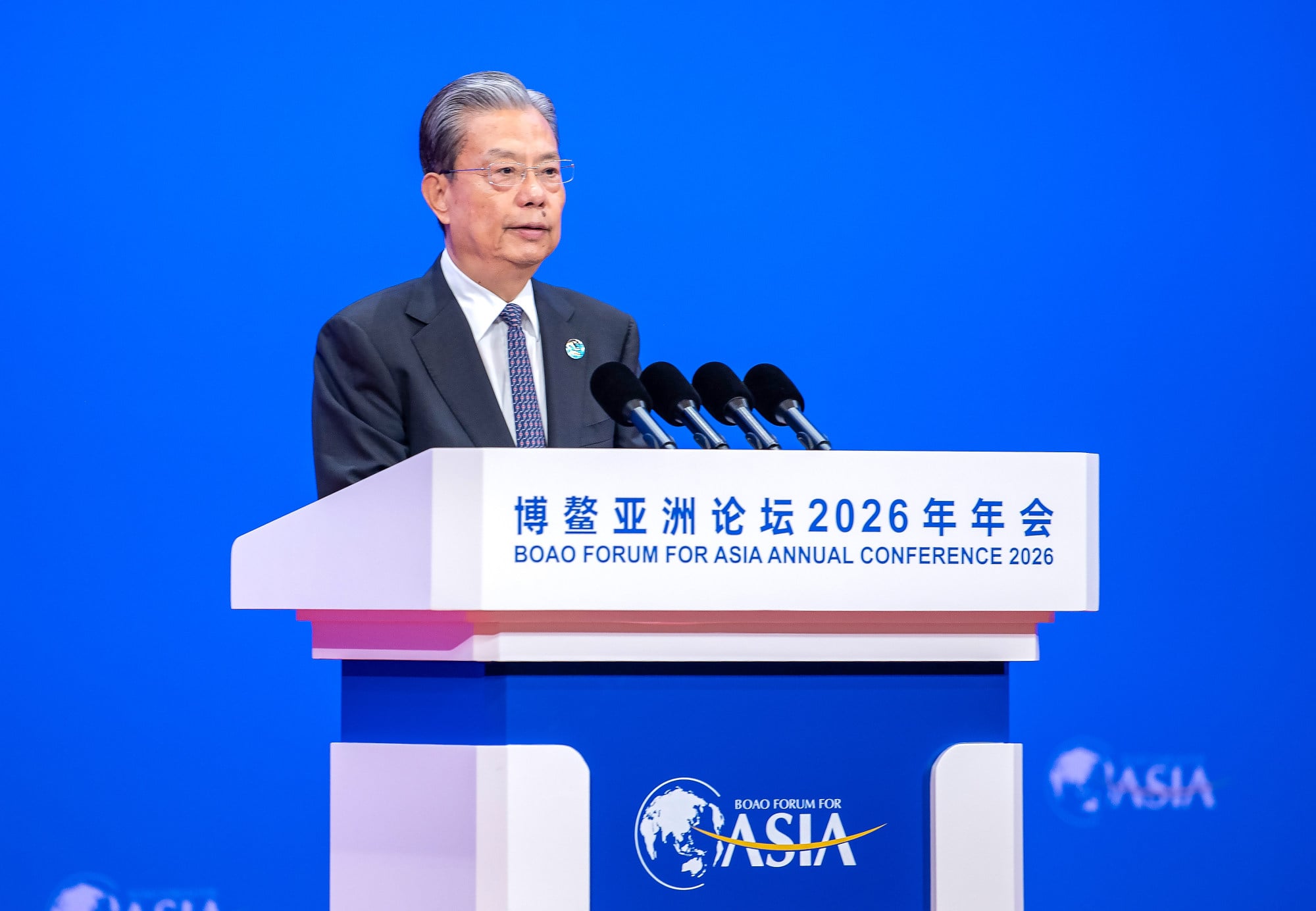
Singapore’s Prime Minister Lawrence Wong has put forth a compelling vision for navigating the complexities of the modern global landscape, advocating for a shift towards plurilateral cooperation and highlighting China’s potential to lead in key emerging domains. Speaking at the Boao Forum for Asia, Wong underscored the urgent need for flexible and targeted approaches to address pressing international challenges, suggesting that smaller, like-minded coalitions could be more effective than waiting for universal consensus.
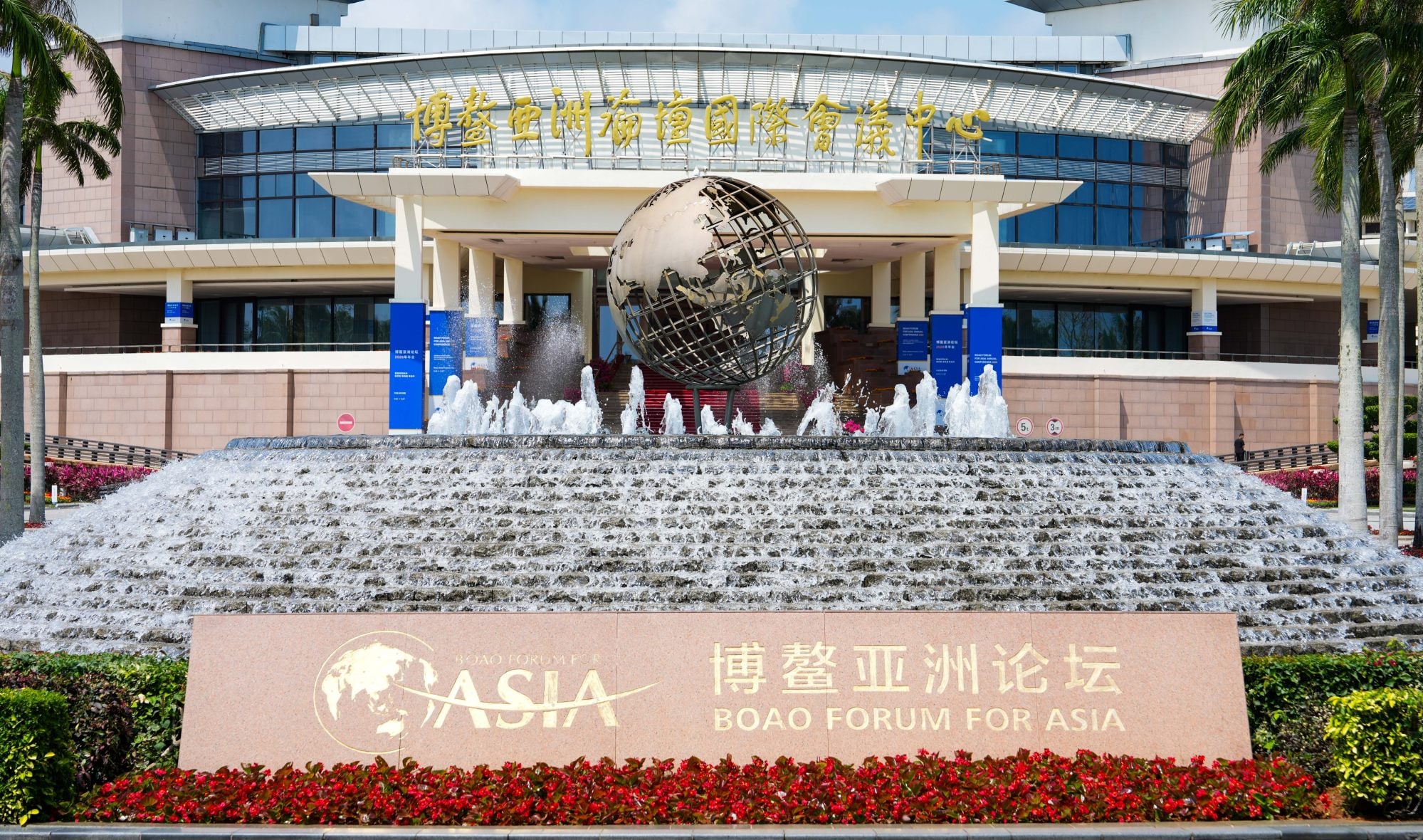
The 25th iteration of the annual Boao Forum, held in China’s southern Hainan province, convened approximately 2,000 delegates from over 60 countries and regions to deliberate on economic cooperation and development. Wong’s address, delivered on Thursday, comes at a time of significant global flux, marked by what he described as “a worrying breakdown of the institutions and norms that have long anchored the global system.” He observed a concerning trend of geopolitical tensions increasingly permeating economic spheres, rendering traditional multilateral frameworks less agile.
“Given the challenges we face, we cannot afford to wait for every country to move together at the same time and at the same speed,” Wong stated, advocating for innovative cooperative strategies. “One practical way is for smaller groups of like-minded countries and partners to create plurilateral arrangements. These can move faster to test ideas, set standards and deliver results.” This approach, he elaborated, would likely foster a dynamic environment of “multiple, overlapping coalitions, different groupings of countries working together on specific challenges.”
Wong specifically identified China as a potential linchpin in this new paradigm, citing its substantial economic influence and “increasing capacity to shape global outcomes.” He pointed to China’s rapid technological advancements and innovation, asserting that the nation is “well positioned not just to participate in the next wave of technological change, but to shape and lead this change.” This leadership potential, he suggested, extends to critical areas such as Artificial Intelligence (AI) governance.
The Singaporean Prime Minister’s presence at the forum marked his second visit to China since assuming office in May 2024, following an earlier trip to Beijing and Tianjin in June of the previous year. His predecessor, Lee Hsien Loong, was the last Singaporean Prime Minister to deliver a keynote address at the Boao Forum in 2023. During his current four-day visit to Hainan, Wong was scheduled to meet with Zhao Leji, the chairman of the National People’s Congress Standing Committee, China’s paramount legislative body.
China’s Role in Regional Prosperity and Emerging Technologies
Beyond its potential in plurilateral initiatives, Singapore expressed its belief that China could significantly bolster regional prosperity and stability. Wong acknowledged China’s capabilities in influencing the development of new rules and standards in nascent fields. “We recognise and value China’s efforts, including through its current chairmanship of Apec to advance trade digitalisation and AI for trade,” he remarked, referencing the Asia-Pacific Economic Cooperation forum.
The Prime Minister emphasized the crucial role China’s engagement would play in global discussions surrounding AI. “China’s active participation in global discussions on AI governance will also be critical to building international consensus on the safe and responsible development of these technologies,” he stated.
Deepening Bilateral Ties and Economic Partnership
Wong also conveyed Singapore’s confidence in China’s long-term economic trajectory and its willingness to deepen bilateral cooperation. “That is why we have been a leading source of new investments into China for more than a decade,” the Prime Minister noted. “We will continue to partner China closely and deepen collaboration in areas of mutual benefit as both our economies evolve.” This commitment underscores Singapore’s strategic positioning between the United States and China, maintaining robust economic ties with both. While the US is Singapore’s largest foreign investor and a key security partner, China stands as its largest trading partner in goods. Data from Chinese government sources indicates that Singapore has consistently been the top source of new foreign investment into China since 2013.
Welcoming China’s Integration into Trade Pacts
Singapore also voiced its support for China’s interest in acceding to high-standard trade agreements, such as the Comprehensive and Progressive Agreement for Trans-Pacific Partnership (CPTPP). “Integrating an economy of China’s scale into these agreements is not straightforward,” Wong acknowledged. “But doing so will bring significant benefits to the region and strengthen the relevance of these high-standard arrangements.”
The CPTPP, currently comprising 12 member economies including Australia, Britain, Canada, Japan, Mexico, and Vietnam, is a significant trading bloc. China formally applied for membership in 2021, though its bid remains under consideration. The potential accession of such a large economy could reshape regional trade dynamics and reinforce the importance of these advanced trade frameworks.