Trump Administration Seeks Swift Resolution to Iran Conflict, Eyes Deal Amidst Escalating Tensions
The United States, under the leadership of President Donald Trump, is reportedly pursuing an accelerated timeline to resolve the ongoing conflict with Iran, with insiders suggesting a desire for a swift conclusion within weeks. This strategic push comes as President Trump publicly declared a significant victory against Iran’s nuclear ambitions, framing it as the “cutting out of cancer.”
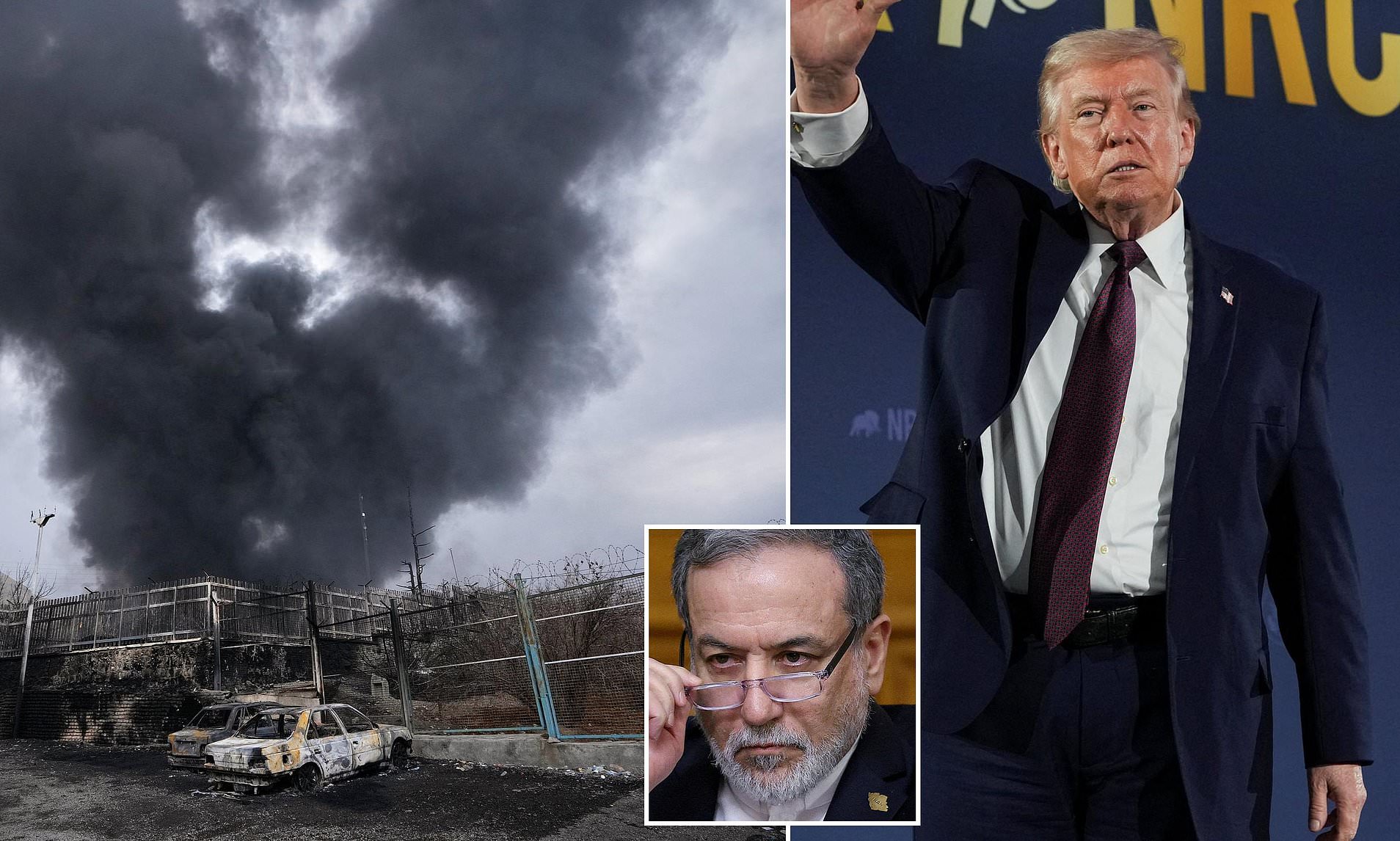
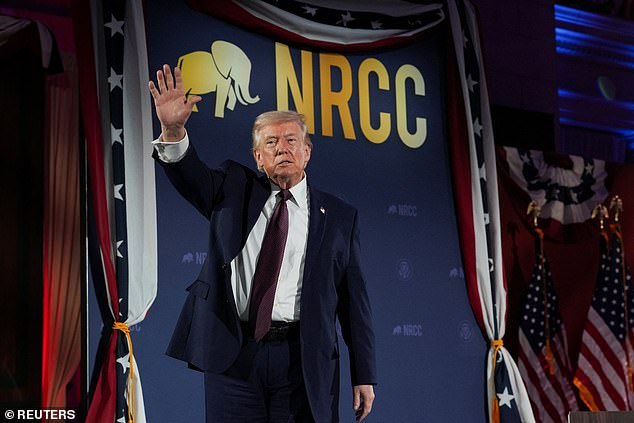
Speaking to the National Republican Congressional Committee, President Trump articulated his administration’s stance on Iran’s nuclear program. “What we had to do is get rid of the cancer,” he stated, referring to Iran’s pursuit of nuclear weapons. “We’ve cut it out. Now we’re going to finish it off.” This forceful rhetoric underscores the administration’s commitment to neutralizing what it perceives as an existential threat.
Privately, President Trump has conveyed to allies and cabinet members his aversion to a prolonged engagement, aiming for a resolution within an initial four to six-week timeframe established at the conflict’s outset. The White House reportedly harbors hopes of concluding the war prior to President Trump’s scheduled meeting with Chinese leader Xi Jinping in Beijing in mid-May.
White House Press Secretary Karoline Leavitt emphasized the President’s multifaceted approach to governance. “President Trump is extraordinarily skilled at multi-tasking and works on multiple challenges at the same time,” Leavitt said. “The President is laser focused on fully achieving the military objectives against the terrorist Iranian regime. The president’s sole focus is always victory.”
Sources indicate that President Trump views the ongoing conflict as a distraction from other key policy priorities. These include advancing the SAVE America Act, potential initiatives concerning regime change in Cuba, and preparations for the upcoming midterm elections. The administration remains hesitant to commit ground troops to Iran, especially in light of American casualties, which include 13 dead and nearly 300 wounded. The focus, therefore, appears to be on brokering a diplomatic solution to end the hostilities.
However, some advisors are reportedly urging President Trump to escalate the conflict, suggesting that achieving regime change in Iran would significantly bolster his presidential legacy. This internal debate highlights the divergent strategies being considered within the administration.
Iran’s Defiance and Diplomatic Overtures Amidst Ongoing Strikes
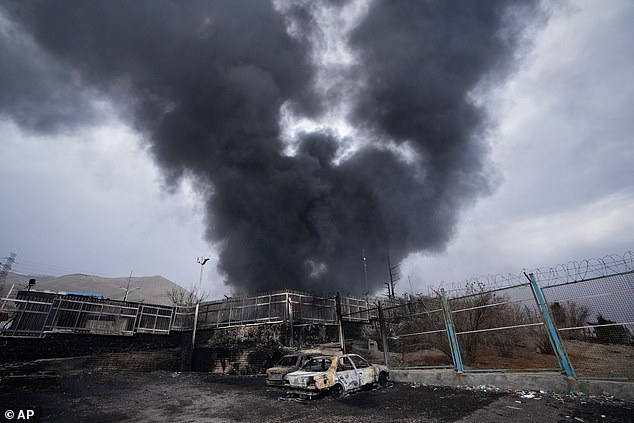
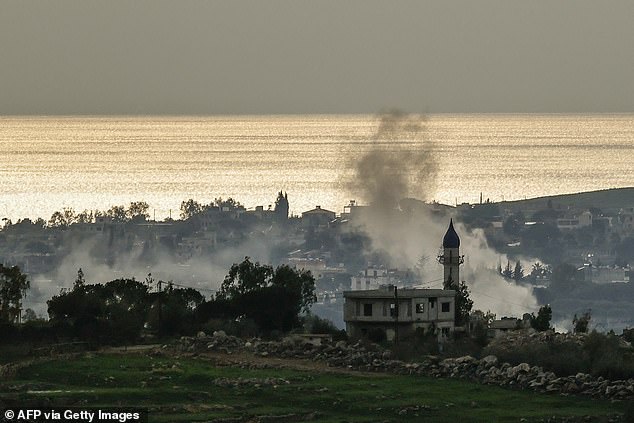
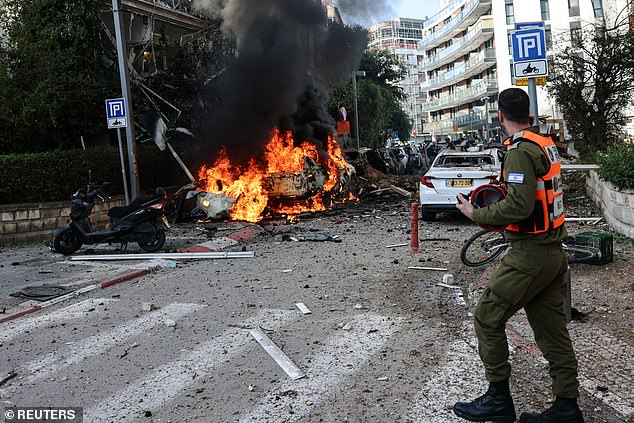
In a move that underscores the complex diplomatic landscape, Iran on Wednesday dismissed an American proposal for a ceasefire in the Middle East. Concurrently, Iran launched further attacks targeting Israel and several Gulf Arab nations. One such strike impacted a fuel tank at Kuwait International Airport, igniting a significant fire.
Despite these escalations, President Trump, speaking at a Washington fundraiser, maintained that Iran is actively seeking a resolution. “They are negotiating, by the way, and they want to make a deal so badly, but they’re afraid to say it because they figure they’ll be killed by their own people,” Trump commented, adding, “They’re also afraid they’ll be killed by us.”
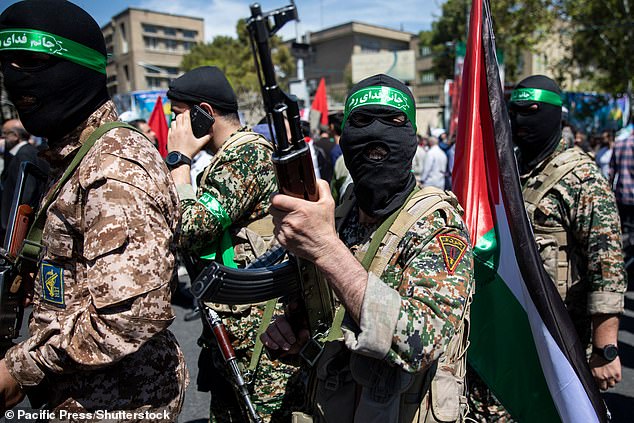
Recent days have seen a dual approach from the US, characterized by the deployment of additional troops to the region and a signaled willingness to engage in negotiations with Tehran. President Trump has reportedly informed his advisors that access to Iranian oil should be a key component of any agreement to end the war.
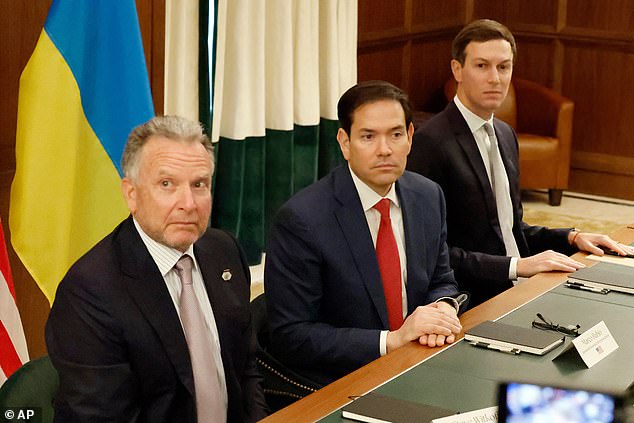
Mediators, including Egyptian and Pakistani officials, are actively working to facilitate potential in-person talks between American and Iranian representatives, possibly as early as Friday in Pakistan. President Trump has stated that the US is “in negotiations right now,” identifying special envoy Steve Witkoff, Jared Kushner, Secretary of State Marco Rubio, and Vice President JD Vance as participants. No Iranian representatives have been identified in these discussions.
Iran’s Proposed Terms and the Challenges of Negotiation
Iranian state television’s English-language broadcaster, Press TV, cited a five-point proposal from Iran. This proposal reportedly includes:
- A halt to the killing of Iranian officials.
- Safeguards against future attacks on Iran.
- Reparations for the war.
- The cessation of hostilities.
- Iran’s “exercise of sovereignty over the Strait of Hormuz.”
These terms, particularly the demands for reparations and continued control over the Strait of Hormuz, are likely to be met with strong opposition from the White House. While both Iran and Oman have territory within the strait, its narrow shipping channels are generally considered international waters, allowing passage for all vessels.
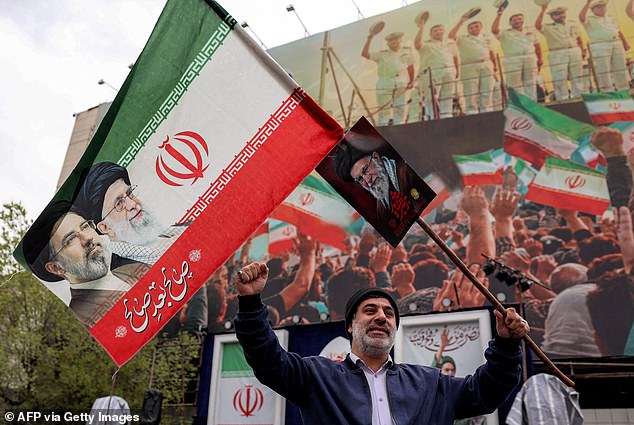
Any negotiations between the US and Iran would undoubtedly face significant hurdles. The authority and willingness of individuals within the Iranian government to engage in meaningful talks remain uncertain. Furthermore, Iran harbors deep-seated suspicions of the United States, particularly given past instances of American military action during high-level diplomatic discussions, including the commencement of the current conflict on February 28.
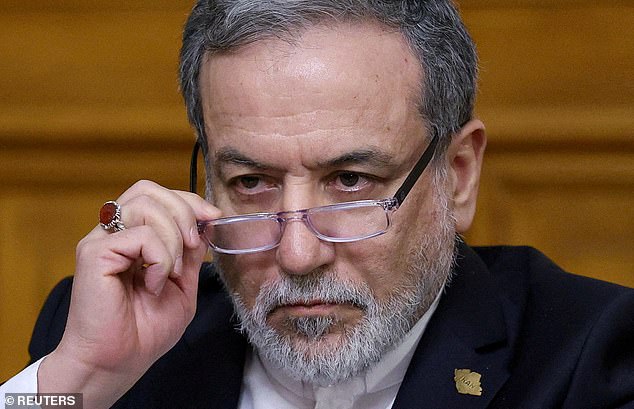
Tehran’s apparent defiance of American proposals coincided with Israeli airstrikes on Tehran and the US deployment of paratroopers and additional Marines to the region. Iranian Foreign Minister Abbas Araghchi stated in a television interview that his government has not engaged in talks to end the war and has no plans for negotiations. This statement followed a report from Iranian state TV quoting an anonymous official indicating Iran’s rejection of America’s ceasefire proposal and its intention to present its own demands.
Earlier, Pakistani officials, who transmitted the US plan to Iran, broadly described a 15-point proposal. This proposal reportedly addressed sanctions relief, a rollback of Iran’s nuclear program, missile limitations, and the reopening of the Strait of Hormuz, a critical global oil shipping route.
An Egyptian official involved in mediation efforts added that the US proposal also includes restrictions on Iran’s support for armed groups. These officials spoke on the condition of anonymity to discuss details not yet publicly released.
Iran has consistently maintained that it will not negotiate its ballistic missile program or its support for regional militias, which it views as integral to its national security. Its ability to control passage through the Strait of Hormuz is considered one of its most significant strategic advantages. Iran’s actions, including attacks on regional energy infrastructure and restrictions on maritime traffic in the strait, have led to a sharp increase in oil prices, intensifying pressure on the US to de-escalate the situation and stabilize global markets.
In response to the escalating tensions, approximately 1,000 troops from the 82nd Airborne Division are slated for deployment to the Middle East in the coming days. These paratroopers are trained for operations in hostile environments, including securing key territories and airfields. The Pentagon is also dispatching around 5,000 Marines, specializing in amphibious assaults, and thousands of sailors to the region.
The prospect of potential negotiations has had a notable impact on global oil prices. Brent crude oil, the international benchmark, saw a decrease in trading on Wednesday, falling to around $100 a barrel after nearing $120 earlier in the week. Despite this dip, oil prices remain approximately 35 percent higher than at the commencement of the conflict. Economists and global leaders have voiced concerns about the far-reaching economic consequences of sustained high energy prices, including increased costs for food and essential goods, as well as higher interest rates on mortgages and auto loans.
Iran has permitted a limited number of ships to transit the Strait of Hormuz, but has explicitly barred vessels from the United States, Israel, and countries perceived as allied with them.