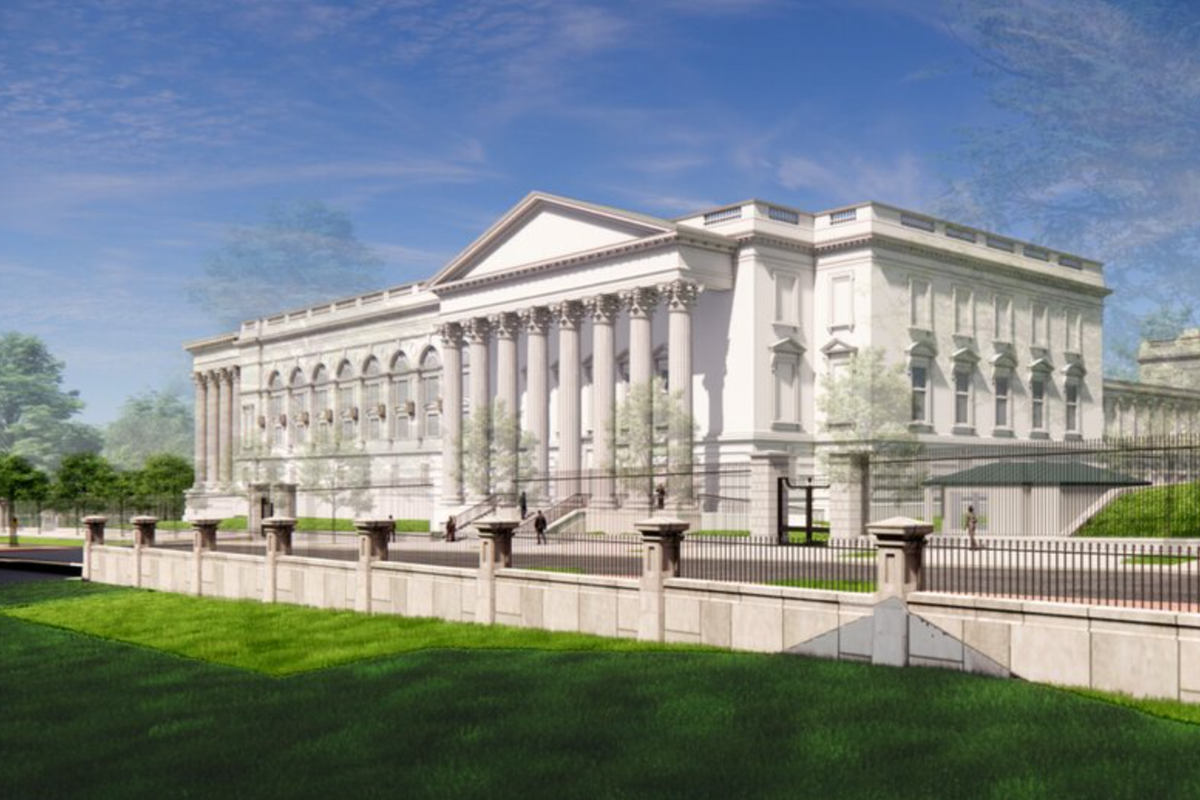
Outcry Over Proposed White House Ballroom Project
Plans for a lavish new ballroom at the White House, reportedly costing around $400 million, have ignited a firestorm of public disapproval, with a staggering majority of public comments opposing the project. As the National Capital Planning Commission prepares for a crucial review vote, the sheer volume and vehemence of the opposition highlight deep concerns about the project’s scale, design, and the process by which it’s being advanced.
The proposed ballroom, envisioned as a 22,000-square-foot gilded space within a new East Wing structure, has drawn sharp criticism. Commenters have described the design as “hideous” and a threat to the nation’s historical legacy. One architect, Donna Wax, labelled the plans a “fascist take on classism,” expressing dismay at the perceived ostentatious nature of the project.
Penny Jarrett, a long-time resident near Washington D.C., voiced her strong objections to the commission, questioning the authority behind such a significant undertaking. “How could he just ‘do that’ without consent from you or Congress?” she wrote, pleading with the commission to prevent the construction of what she termed a “gold-plated monstrosity,” a reflection, in her view, of a “disgusting” gold-plated lifestyle.
Public Opposition Overwhelmingly Negative
An analysis of over 10,000 pages of public comments, as reported by The New York Times, revealed that more than 98 percent expressed negative sentiments. This widespread opposition has even drawn criticism from unexpected quarters, including members of Congress.
Republican Representative Michael Turner of Ohio, co-chair of the Congressional Historic Preservation Caucus, articulated his “substantial concerns” regarding the handling of the East Wing’s demolition and the proposed new construction. In a letter released in October, he described the swift demolition of the East Wing as “deeply disturbing to Americans who cherish preservation of our nation’s history.”
White House Defends Project as Necessary Upgrade
Despite the torrent of criticism, a spokesperson for the White House, Davis Ingle, defended the project. He stated that President Trump is “working 24/7 to Make America Great Again, including his historic beautification of the White House, at no taxpayer expense.” Ingle asserted that these “long-needed upgrades will benefit generations of future presidents and American visitors to the People’s House.”
Review Process Under Scrutiny
The upcoming vote by the National Capital Planning Commission is a pivotal moment for the project. Notably, the commission is chaired by a White House staffer who also happens to be a former personal lawyer for the president, raising questions about potential conflicts of interest.
A staff report prepared for the commission’s meeting acknowledged the “substantial” number of public comments, with the “majority in opposition.” However, the report still recommended proceeding with the renovation. This recommendation follows a similar decision last month by the U.S. Commission of Fine Arts, another review board composed of individuals considered allies of the president. This body also approved the project, even without having seen the final design and having been similarly inundated with overwhelmingly negative public feedback.

Legal Challenges Mount
Adding to the controversy, a federal judge recently rejected a preservation group’s bid to block the project. In response, the National Trust for Historic Preservation filed an amended lawsuit over the weekend. This legal action alleges that the Trump administration violated several federal laws by initiating construction unilaterally last fall, bypassing the necessary approvals from both planning commissions and Congress.
The lawsuit explicitly states, “No president is legally allowed to tear down portions of the White House without any review whatsoever — not President Trump, no President Biden, and not anyone else.”
Funding Sources Draw Scrutiny
Beyond the planning and approval processes, the project has also generated considerable controversy due to its funding. Reports indicate that the funds are being sourced from past donors to the Trump campaign and inauguration, including contributions from numerous large tech companies. This reliance on private funding from specific donors has fueled further debate about the project’s motivations and transparency.